How to Transplant Parry's milkvetch?
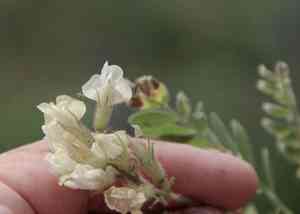
Parry's milkvetch flourishes most effectively when relocated in the revitalizing phase of early to mid-spring, since this period optimizes root development. Select a bright, adequately drained spot. Steer clear of overly wet ground to guarantee its vigorous proliferation.
What Preparations are Needed Before Transplanting Parry's Milkvetch?
What is the Ideal Time for Transplanting Parry's Milkvetch?
Parry's milkvetch is best moved in early to mid-spring when the ground is warming but still moist. This timing helps the plant establish its root system before summer heat, promoting vigor and resilience. Relocating parry's milkvetch during this period also minimizes transplant shock and supports optimal development.
How Much Space Should You Leave Between Parry's Milkvetch Plants?
Parry's milkvetch needs to be spaced 12-18 inches (30-45 cm) apart to allow for proper growth and air circulation. This provides ample room for root expansion and flourishing.
What is the Best Soil Mix for Parry's Milkvetch Transplanting?
Prepare well-draining soil with a pH between 6.5 and 7.5. Incorporate compost or a balanced fertilizer to enrich the soil and supply vital nutrients for parry's milkvetch.
Where Should You Relocate Your Parry's Milkvetch?
Parry's milkvetch thrives in sunlight, so select a spot that receives full sun for at least 6-8 hours daily. This ensures they get the energy required for healthy development.
What Equipments Should You Prepare Before Transplantation Parry's Milkvetch?
Gardening Gloves
To safeguard your hands while handling soil and plants.
Shovel or Spade
For excavating the planting hole and extracting the plant from its original spot.
Watering Can or Hose
To hydrate the plant before and after relocation.
Trowel
For precise digging and moving small seedlings.
Mulch
To aid in retaining soil moisture post-transplanting.
Plant Supports (if needed)
To offer stability to the plant if it is tall or prone to toppling.
How Do You Remove Parry's Milkvetch from the Soil?
How Do You Remove Parry's Milkvetch from the Soil?
From Ground: First, moisten the parry's milkvetch plant to soften the soil. Then, dig a wide trench around the plant using a shovel or spade, ensuring the plant's root ball remains intact. Carefully work the spade beneath the root ball to lift the plant from its initial location.From Pot: Gently water the parry's milkvetch plant to make the soil easier to manage. Carefully turn the pot on its side and tap the base to loosen the soil. Slide the plant out of the pot, supporting the root ball with your hands.From Seedling Tray: Water the seedlings to facilitate removal. Use a pencil or small tool to gently push the parry's milkvetch plant from below, carefully lifting the seedling by holding its leaves, not the stem, to prevent damage.
Step-by-Step Guide for Transplanting Parry's Milkvetch
Site Preparation
Choose an appropriate location with suitable conditions for your parry's milkvetch to flourish.
Digging the Hole
Excavate a hole twice as wide and as deep as the parry's milkvetch's root ball.
Planting
Position the parry's milkvetch in the center of the hole. Ensure the top of the root ball is level with the surrounding ground.
Backfilling the Hole
Gently refill the hole with soil, pressing down lightly to eliminate air pockets and secure the plant.
Watering
Thoroughly water the parry's milkvetch after planting to help settle the soil around its roots.
Applying Mulch
Spread a layer of mulch around the base of the parry's milkvetch to conserve soil moisture and reduce weed competition.
How Do You Care For Parry's Milkvetch After Transplanting?
Watering
Keep the soil around the parry's milkvetch consistently damp, but not waterlogged, for the initial weeks post-transplant to aid in root establishment.
Monitoring
Regularly inspect the plant for indications of stress or pest issues, and address them promptly.
Support
If necessary, provide support to the parry's milkvetch to maintain its upright position and prevent damage from wind or heavy rain.
Weeding
Keep the area surrounding the parry's milkvetch clear of weeds to minimize competition for nutrients and water.
Fertilizing
Consider feeding the parry's milkvetch with a balanced fertilizer a few weeks after transplanting to encourage healthy growth.
Troubleshooting Common Issues with Parry's Milkvetch Transplantation.
When is the ideal time to transplant parry's milkvetch?
The optimal period to transplant parry's milkvetch is during early to mid-spring for best growth.
How much space should I leave between parry's milkvetch plants?
Space parry's milkvetch plants 12-18 inches (30-45 cm) apart to allow ample room for development.
What type of soil is best for parry's milkvetch?
Parry's milkvetch prefers well-draining, sandy or loamy soil with a slightly acidic to neutral pH.
How much water does parry's milkvetch need after transplanting?
Water parry's milkvetch thoroughly immediately after transplanting, then regularly until established.
How should I prepare the site for transplanting parry's milkvetch?
Loosen the soil and incorporate compost to enrich the planting location for parry's milkvetch.
What should I do if parry's milkvetch shows signs of transplant shock?
Ensure parry's milkvetch receives adequate water and shade if it exhibits wilting or stress symptoms.
Should I fertilize parry's milkvetch after transplanting?
Fertilize parry's milkvetch lightly with an organic fertilizer after transplanting, but avoid excessive application.
How deep should I plant parry's milkvetch in the new location?
Plant parry's milkvetch at the same depth it was previously growing to prevent stem rot.
What conditions should I avoid when transplanting parry's milkvetch?
Refrain from transplanting parry's milkvetch in extreme heat or during drought conditions.
Can I propagate parry's milkvetch by division during transplanting?
Yes, parry's milkvetch can be divided during transplanting to create multiple new plants.



