How to Propagate Parry's milkvetch?
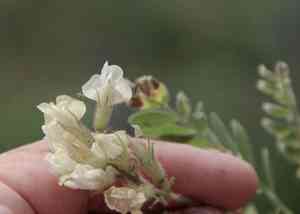
To effectively multiply parry's milkvetch, start by gathering seeds directly from fully developed seed pods. Confirm they are completely desiccated prior to planting. Prepare a growing medium with good drainage, plant the seeds just beneath the top layer, and maintain consistent dampness. Seed sprouting can be enhanced by gently abrading the seed coats. Perfect for gardening aficionados, this technique provides a simple and efficient strategy. Consistent observation and steady hydration are crucial for peak development.
When Is the Optimal Time to Propagate Parry's Milkvetch?
Propagation Method
Seeding
Propagation Period
Spring
What Equipment Is Used in Parry's Milkvetch Propagation?
Seed Trays
These are vital for initiating parry's milkvetch seeds in a regulated setting. They offer suitable conditions for initial sprouting, helping to organize seeds and ensure ideal soil moisture and warmth.
Sterilized Potting Mix
Employing a premium, sterilized potting mixture decreases the danger of soil-borne illnesses. For parry's milkvetch, a well-draining mix is crucial as it prevents waterlogging, which can cause root decay.
Humidity Dome
A humidity dome assists in sustaining the required moisture level for parry's milkvetch seeds during the germination phase. This device guarantees a moist environment, which is advantageous for seedling growth.
Seedling Heat Mat
Supplying consistent bottom warmth can accelerate the germination process. For parry's milkvetch, maintaining a stable, warm temperature is essential, particularly in colder regions.
Fine Mist Sprayer
A fine mist sprayer enables gentle irrigation of parry's milkvetch seedlings, preventing disturbance of the delicate soil surface and avoiding overwatering, which could harm the young plants.
Grow Lights
If natural illumination is insufficient, grow lights can supplement lighting requirements. Consistent light exposure is necessary for the healthy development of parry's milkvetch seedlings.
Seed Labeling Stakes
Labeling stakes help keep track of various plantings, especially useful when propagating multiple plant species. Accurate labeling ensures proper monitoring of parry's milkvetch throughout its growth stages.
Precision Seeder
This tool aids in ensuring uniform seed spacing and depth during sowing, which can enhance germination rates and overall growth consistency of parry's milkvetch.
Soil Thermometer
Monitoring soil temperature is crucial for the successful germination of parry's milkvetch seeds. A soil thermometer helps maintain optimal conditions, ensuring the seeds are in the right environment for growth.
Small Trowel
A small trowel is useful for transplanting parry's milkvetch seedlings from seed trays to individual pots or garden beds. It aids in gentle and precise digging, minimizing root disturbance.
How to Propagate Parry's Milkvetch?
Propagation Difficulty
Simple
How to Care for Your Newly Propagated Parry's Milkvetch?
How to Care for Your Newly Propagated Parry's Milkvetch?
After transplanting, care for parry's milkvetch by ensuring it receives ample sunlight for most of the day. Water the plants regularly, allowing the soil to dry out between watering sessions to prevent root rot. Fertilize sparingly with a balanced, low-nitrogen fertilizer to encourage healthy growth without excessively stimulating foliage production. Regularly check for pests and diseases, and take appropriate measures to keep the plants healthy.
Common Errors to Avoid When Propagating Parry's Milkvetch
Overwatering
Excessive water can lead to root decay and fungal infections, as parry's milkvetch prefers well-drained soil conditions.
Poor Soil Quality
Using nutrient-deficient or heavy clay soils can hinder growth and impede root development.
Inadequate Light
Insufficient sunlight exposure can result in weak, leggy plants and poor propagation success.
Improper Seed Handling
Failing to scarify or stratify seeds can lead to low germination rates, as these processes are vital for breaking seed dormancy.
Neglecting Pest Control
Ignoring pest management can lead to infestations that harm young plants and reduce their chances of survival.
Tips For Propagating Parry's Milkvetch
Well-Drained Soil
Ensure the use of well-drained, sandy, or gritty soil to prevent waterlogging and promote healthy root development.
Moderate Watering
Water sparingly, allowing the soil to dry out between waterings to avoid root rot.
Full Sunlight
Place in a location that receives full sunlight for at least 6-8 hours a day to encourage strong, healthy growth.
Seed Preparation
Scarify seeds lightly before sowing to break dormancy and increase germination rates.
Regular Inspections
Conduct regular inspections for pests and promptly address any infestations with appropriate treatments.



