How to Transplant Sainfoin milk vetch?
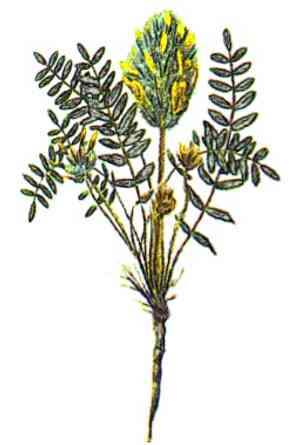
The most favorable period for transplanting sainfoin milk vetch is from the mild conditions of late spring to mid-summer, offering ideal growing temperatures. Choose a location bathed in sunlight with soil that drains effectively. To facilitate a smooth transfer, make certain the root mass remains intact.
Preparations for Transplanting Sainfoin Milk Vetch
Optimal Timing for Sainfoin Milk Vetch Transplant
The best period for moving sainfoin milk vetch is during its active growth phase, from late spring through mid-summer. This timeframe provides warm soil and sufficient time for establishment before winter dormancy. Relocating sainfoin milk vetch then promotes strong root development and adaptation, ensuring a vigorous start in its new spot. Nature supports sainfoin milk vetch's success post-transplant during this phase.
Recommended Spacing Between Sainfoin Milk Vetch Plants
Allow adequate room for sainfoin milk vetch to grow. Space them approximately 15-18 inches (38-45 cm) apart. This spacing ensures they have ample space to thrive without competing for essential nutrients.
Best Soil Mix for Sainfoin Milk Vetch Transplant
Prepare a suitable bed for your sainfoin milk vetch using well-draining soil. Incorporate organic compost for a nutrient-rich beginning. A mild, slow-release fertilizer will provide a beneficial boost as they settle into their new environment.
Ideal Location for Relocating Your Sainfoin Milk Vetch
Select a site that receives abundant sunlight! Sainfoin milk vetch flourishes in full sun, so a location with at least 6 hours of direct sunlight daily would be perfect. Your plants will reward you with robust growth.
Equipment Needed Before Transplanting Sainfoin Milk Vetch
Gardening Gloves
To safeguard your hands while handling soil and plants.
Spade or Shovel
For digging and lifting the plant's root mass.
Hand Trowel
Useful for precise tasks and smaller digging jobs.
Watering Can or Hose
To hydrate sainfoin milk vetch before and after relocation.
Wheelbarrow
For moving sainfoin milk vetch and soil if required.
Pruning Shears
To trim any dead or excess growth prior to transplanting.
Garden Fork
To gently loosen the soil around sainfoin milk vetch's roots.
Staking Materials
Such as wooden or bamboo stakes and soft ties to support sainfoin milk vetch post-transplant.
Removing Sainfoin Milk Vetch from Soil
How to Extract Sainfoin Milk Vetch from the Soil
From Ground: Begin by thoroughly watering sainfoin milk vetch to soften the soil. Then, use a spade or shovel to dig around the plant, maintaining a generous distance to protect the root system. Aim for a wide enough diameter to encompass most of the root mass. Carefully slide the shovel beneath and lift sainfoin milk vetch from the ground.From Pot: Water sainfoin milk vetch well beforehand. Gently turn the pot on its side and lightly tap or squeeze to loosen the soil from the container walls. Slowly slide sainfoin milk vetch out, supporting the plant and its root ball with your hand.From Seedling Tray: Ensure the soil is moist before starting. Use a hand trowel or similar tool to carefully lift individual seedlings from the tray, making sure to keep the root ball and as much surrounding soil intact as possible.
Step-by-Step Guide for Transplanting Sainfoin Milk Vetch
Preparation
Before starting, ensure you are transplanting during an opportune time for sainfoin milk vetch, typically during cooler parts of the day like early morning or late afternoon. Make sure to water sainfoin milk vetch thoroughly before beginning the transplant process.
Dig Hole
Using a spade or shovel, dig a hole in the new location that is twice the width of sainfoin milk vetch's root ball and of the same depth to prevent planting too deep. Break up any large soil clumps to create a welcoming environment for the roots.
Placement
Carefully position sainfoin milk vetch in the center of the new hole. The top of the root ball should be level with the surrounding ground. Confirm that sainfoin milk vetch stands upright and adjust as needed before backfilling with soil.
Refill Soil
Gently backfill the hole with soil around sainfoin milk vetch's root ball. Lightly pat the soil down around the base to eliminate any large air pockets, which can dry out roots. Avoid compacting the soil too tightly, as roots need both support and air for growth.
Watering
Water sainfoin milk vetch immediately after transplanting to help settle the soil and remove air pockets. Provide a generous soaking, but ensure adequate drainage to prevent waterlogging.
Staking
If sainfoin milk vetch requires support, insert stakes into the ground away from the root ball to avoid damaging the roots. Gently secure sainfoin milk vetch to the stakes for stability using soft ties, allowing space for growth and movement.
Post-Transplant Care for Sainfoin Milk Vetch
Regular Inspection
Frequently examine sainfoin milk vetch for signs of stress, such as wilting or discolored leaves. These can indicate watering issues or a need for care adjustments.
Stabilizing
Continuously monitor and adjust stakes and ties as sainfoin milk vetch grows, ensuring stability without hindering its development or harming the stems.
Mulching
Apply a layer of organic mulch around the base of sainfoin milk vetch, leaving some space around the stem. This helps maintain soil moisture and regulate soil temperature.
Moderate Watering
Keep the soil around sainfoin milk vetch consistently moist with regular watering, especially during dry periods, to aid establishment. After the initial growing season, sainfoin milk vetch should be better at handling water variations.
Troubleshooting Common Sainfoin Milk Vetch Transplantation Issues
When is the best time to transplant sainfoin milk vetch?
The optimal time to move sainfoin milk vetch is from late spring to mid-summer, ensuring warm soil and favorable growth conditions.
How far apart should I plant sainfoin milk vetch?
Allow each sainfoin milk vetch ample room to flourish by spacing them approximately 15-18 inches (38-46 cm) apart.
Why is my sainfoin milk vetch wilting after transplanting?
Wilting may be due to transplant shock. Ensure adequate watering and protect the plant from excessive initial sun exposure.
How do I prepare the soil for sainfoin milk vetch transplantation?
Enhance your garden bed with organic matter and ensure good drainage to provide a welcoming environment for sainfoin milk vetch's roots.
What's the ideal soil pH for transplanting sainfoin milk vetch?
A neutral to slightly alkaline pH (7.0-7.5) is best for sainfoin milk vetch. Test and adjust your soil if necessary.
Can I transplant sainfoin milk vetch during a heatwave?
It's advisable to avoid transplanting during extreme heat. Opt for a cooler day or transplant in the evening.
My sainfoin milk vetch plant looks droopy post-transplant, what should I do?
Ensure it's not underwatered and shield it from strong winds. Stake if needed, and it should recover soon.
Should I fertilize sainfoin milk vetch after transplanting?
Wait until sainfoin milk vetch is established before fertilizing to prevent root burn. A mild, balanced feed can be applied after about a month.
How deep should the hole be when transplanting sainfoin milk vetch?
Dig a hole twice the width and the same depth as the root ball to give sainfoin milk vetch a comfortable start.
Can I mulch around my newly transplanted sainfoin milk vetch?
Absolutely, a layer of organic mulch helps retain moisture and regulate soil temperature for sainfoin milk vetch.



