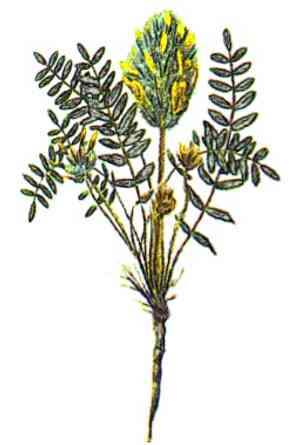
Sainfoin milk vetch (Astragalus onobrychis)
Also known as: Holy Clover
Sainfoin milk vetch (Astragalus onobrychis) is a low-growing perennial herb widely used across dry regions to feed foraging animals and is especially marketed as being non-bloating for livestock. The name "onobrychis" derives from the Greek "devoured by donkeys."
In This Article
Attributes of Sainfoin milk vetch
Lifespan
Perennial
Plant Type
Herb
Plant Height
10 cm to 80 cm
Spread
N/A
Leaf Color
Green
Flower Size
1.5 cm to 5 cm
Flower Color
Pink Purple
Images of Sainfoin milk vetch
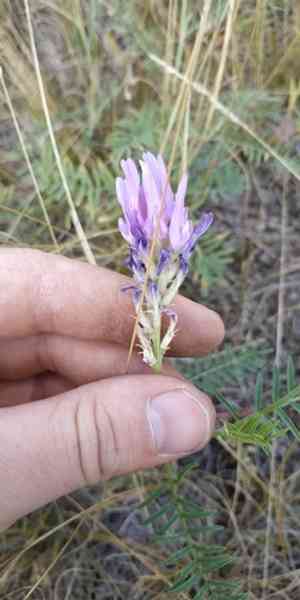
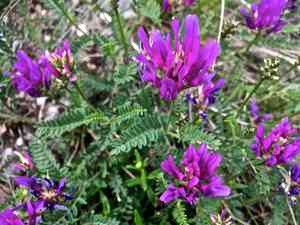
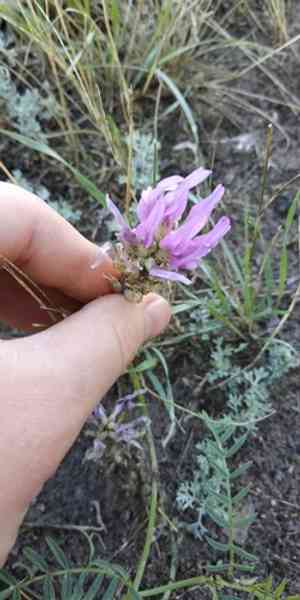
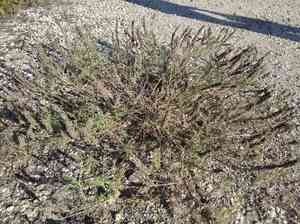
Quickly Identify Sainfoin milk vetch
1
Astragalus onobrychis can be identified by its pinnate leaves with numerous small leaflets, raceme-shaped blue or purple flowers, and legume-like pods which contain seeds. The plant generally forms dense, bushy clusters.
Scientific Classification of Sainfoin milk vetch
Phylum
Vascular plants
Class
Dicotyledons
Order
Fabales
Family
Legume
Genus
Milkvetch
Species
Sainfoin milk vetch
Planting and Growing of Sainfoin milk vetch
Care Difficulty
Easy
Watering Schedule
Every 4 days
Sunlight Requirements
Full sun
Sunshine Duration
4-8 hours
Ideal Temperature
60-75℉
Soil Type
Potting Mix, Peat Mix
Soil pH
6.5-7.5
Fertilizer Type
Balanced
Pruning Season
Spring, Summer
Pruning Area
Branches, Leaves
Pruning Frequency
2 times a year
Repotting Season
Spring
Pot Type
Plastic, Terracotta
 How to Water Sainfoin milk vetch?
For Astragalus onobrychis, ensure that each watering session provides just enough moisture to thoroughly soak the root zone without causing water logging. Typically, supplying around 200 ml at a time will suffice. Allow the top inch of the soil to dry out before re-watering to mimic its natural habitat and prevent root rot.
What are the symptoms of an underwatered Sainfoin milk vetch?
›
What should I do if my Sainfoin milk vetch is not getting enough water?
›
What are the symptoms of an overwatered Sainfoin milk vetch?
›
How to save an overwatered Sainfoin milk vetch?
›
 What Are the Sunlight Requirements for Sainfoin milk vetch?
Astragalus onobrychis prefers full sun to partial sun, making it well-suited to regions with long daylight hours. Ideal light conditions enhance photosynthesis, promoting lush foliage and abundant flowering.
More About Sunlight Requirements Techniques→
What is the best placement for Astragalus onobrychis?
›
How can I adjust indoor conditions for Astragalus onobrychis?
›
What are the benefits of providing ideal light conditions for Astragalus onobrychis?
›
 What Is the Ideal Temperature Range for Sainfoin milk vetch?
Astragalus onobrychis thrives best within a temperature range of 60°F to 75°F. This range supports healthy growth, ensuring that the plant's physiological processes function optimally. At these temperatures, the plant can efficiently photosynthesize and grow robustly without experiencing thermal stress.
 What Soil is Best for Sainfoin milk vetch?
Astragalus onobrychis thrives in well-drained soil that prevents water from stagnating around the roots, which can lead to root rot. This requirement ensures that the plant can absorb necessary nutrients effectively, promoting healthy growth. The plant benefits from soil that is rich in organic matter. This boosts the availability of essential nutrients, improving root development and the overall vitality of Astragalus onobrychis. Astragalus onobrychis prefers soil that retains moisture moderately. This balances the water needs of the plant, ensuring it does not dry out while avoiding excessive wetness that can harm its growth.
 How to Fertilize Sainfoin milk vetch?
When fertilizing Astragalus onobrychis, apply a modest amount of fertilizer. Dilute liquid fertilizer to half the recommended strength to avoid root burn, using about 1/4 cup in a gallon of water. Slow-release granular fertilizers should be applied at a rate of 1-2 tablespoons per plant annually.
 How to Prune Sainfoin milk vetch?
Start by sterilizing your pruning shears to prevent any disease transfer. Identify any dead or damaged branches and cut them back to the base. For shaping, trim back overgrown stems to maintain a compact growth habit. Ensure you make clean cuts at a 45-degree angle to promote healing. To enhance bushiness, observe the plant's natural growth pattern and selectively pinch or prune the tips of newer shoots. This method encourages lateral growth and prevents the plant from becoming too leggy.
More About Pruning Techniques→
 How to Propagate Sainfoin milk vetch plant?
1
Begin by soaking the seeds in water for 12-24 hours to soften the hard seed coat, which will aid in germination. Ensure the water is lukewarm for best results.
2
Sow seeds in prepared seed trays, covering them lightly with soil. Maintain consistent moisture by misting regularly, ensuring the soil is not too wet to prevent mold growth.
3
In early summer, cut a healthy, non-flowering shoot from the plant. Cut below a leaf node at an angle to increase the surface area for rooting. Immediately plant it in a well-draining potting mix.
 How to Repot Sainfoin milk vetch plant?
1
Repot Astragalus onobrychis when you notice roots protruding from the drainage holes or lack of growth. These signs indicate that the plant is root-bound or requires fresh nutrients. Ideally, repot in early spring for optimal growth.
2
Select a pot just one size larger than the current one, ensuring it has adequate drainage holes. This prevents overwatering, which can be detrimental to the health of the plant. A pot too large can lead to water accumulation and root rot.
3
Choose a well-draining sandy soil mix with added perlite or coarse sand. This ensures proper aeration and drainage, reducing the risk of waterlogged conditions that can harm the plant’s roots.
Learn More About Sainfoin milk vetch Diseases
Anthracnose
Bacterial Leaf Spot
Bacterial Wilt
Crown Gall
Cyst Nematode
Damping-off
Downy Mildew
Drought Stress
Fusarium Wilt
Gray Mold
Leaf Curl
Leaf Spot
Mosaic
Nutrient Deficiency
Nutrient Toxicity
Powdery Mildew
Root Rot
Root-knot Nematode
Rusts
Sooty Mold
Spider Mites
Temperature Stress
Thrips Damage
White Mold



