How to Prune Sainfoin milk vetch?
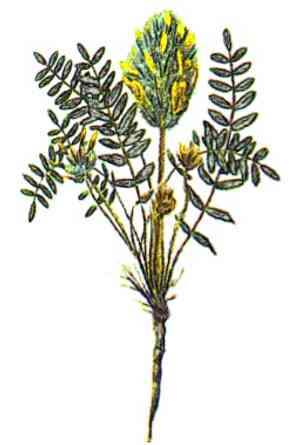
To ensure the best upkeep for sainfoin milk vetch, a leguminous plant prized for its fodder and soil enrichment capabilities, perform trimming in the spring or summer to foster robust development and blossoming. Cutting back after the initial bloom can incite a subsequent flowering period. Consistently eliminate faded blossoms and compromised stalks to bolster the plant's well-being and revitalization. Execute light pruning to preserve the plant's form and avert excessive growth. Reducing crowded sections enhances air movement, discouraging infestations and ailments. These trimming techniques not only boost sainfoin milk vetch's vigor but also uphold its contribution to environmentally sound farming.
What Are the Benefits of Pruning Sainfoin Milk Vetch?
What Are the Benefits of Pruning Sainfoin Milk Vetch?
Pruning sainfoin milk vetch promotes robust development and maintains an attractive form, ensuring the plant's resources are effectively utilized for optimal growth.
What Is the Best Time for Pruning Sainfoin Milk Vetch?
What Is the Best Time for Pruning Sainfoin Milk Vetch?
Trimming sainfoin milk vetch during spring and early summer is ideal, aligning with its active growth phase. At this time, the plant is emerging from dormancy and beginning to grow, allowing for quick recovery from pruning and redirection of energy to new growth. Spring pruning removes winter damage before new growth starts. Early summer pruning, post-first bloom, encourages a second flowering and prevents energy expenditure on seed production, strengthening the growth cycle. It also helps maintain plant shape and health by removing dead or diseased branches, improving air circulation and light penetration, which can reduce fungal disease risk.
What Tools Do I Need to Prune Sainfoin Milk Vetch?
Bypass hand pruners
Perfect for making clean cuts on the thinner, green stems of sainfoin milk vetch. Their bypassing blades ensure a sharp, precise cut vital for plant health.
Loppers
Best for cutting thicker branches that hand pruners can't manage. Their long handles offer leverage, making pruning less strenuous.
Pruning saw
Essential for removing any large, mature, woody stems of sainfoin milk vetch. A pruning saw can handle diameters beyond loppers' capacity.
Pruning shears
Useful for shaping sainfoin milk vetch and removing unwanted growth. They provide greater control for detailed work on the plant.
How to Prune Sainfoin Milk Vetch
Sanitize
Before pruning sainfoin milk vetch, sterilize tools with a 1:9 bleach-to-water solution to prevent disease spread.
Identification
Inspect sainfoin milk vetch closely to pinpoint diseased, withered leaves and stems requiring removal.
Prune leaves
Using sharp, clean shears, carefully remove diseased and withered leaves from sainfoin milk vetch by cutting at the leaf stem's base, avoiding damage to healthy foliage.
Prune stems
Trim any diseased stems on sainfoin milk vetch, making angled cuts just above a healthy leaf node or bud to encourage new growth while maintaining the plant's form and airflow.
Cleanup
Dispose of removed leaves and stems away from sainfoin milk vetch and other plants to minimize disease transmission, and clear any fallen debris from the soil surface.
Common Pruning Mistakes with Sainfoin Milk Vetch
Over-pruning
Removing excessive foliage from sainfoin milk vetch can stress the plant, hindering its photosynthetic efficiency and leading to overall weakened health and reduced flowering.
Improper cuts
Cuts made too close to main stems or leaving large stubs can heighten the risk of disease and pest infestation in sainfoin milk vetch.
Pruning during active growth
Cutting back sainfoin milk vetch during periods of active growth can disrupt its natural cycle and impede flower production.
Shearing rather than selective cutting
Sainfoin milk vetch responds poorly to shearing, which can create a dense outer layer, blocking light from inner foliage, reducing flowering, and potentially causing disease.
Disregarding plant form
Ignoring the natural shape and habit of sainfoin milk vetch during pruning can result in an undesirable appearance and compromise plant health.
Common Pruning Tips for Sainfoin Milk Vetch
Selective cuts
Focus on making precise cuts to remove dead or diseased wood, and thin overcrowded branches to enhance air circulation and light penetration for sainfoin milk vetch.
Cutting angle
Make cuts at a 45-degree angle, about 1/4 inch above an outward-facing bud. This promotes water runoff from the cut surface and encourages healthy new growth for sainfoin milk vetch.
Tool hygiene
Always use sharp, sterilized pruning tools to ensure clean cuts and prevent disease spread to sainfoin milk vetch.
Balance removal
Aim to remove no more than one-third of the total plant material in a single pruning session to maintain the plant's vigor and encourage a flush of new growth on sainfoin milk vetch.
Post-pruning care
After pruning, provide sainfoin milk vetch with sufficient water and nutrients to aid recovery and growth. Mulching and fertilizing can help the plant rejuvenate more effectively.



