How to Transplant Montpellier milk vetch?
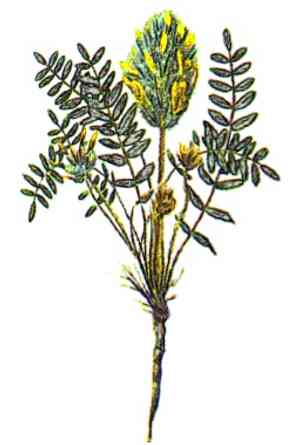
Relocate montpellier milk vetch as winter's chill recedes and summer's heat begins for optimal root establishment. Select a brightly lit area featuring soil that drains effectively; careful manipulation guarantees montpellier milk vetch's flourishing adaptation.
What Preparations are Needed Before Transplanting Montpellier Milk Vetch?
What is the Ideal Time for Transplanting Montpellier Milk Vetch?
The best period to move montpellier milk vetch is at the start of blooming seasons, when the ground warms up. Relocating montpellier milk vetch benefits from the season's mild temperatures, ensuring a smooth transition and root establishment.
How Much Space Should You Leave Between Montpellier Milk Vetch Plants?
Start by marking locations for your montpellier milk vetch approximately 6-12 inches (15-30 cm) apart. This provides ample room for your plants to thrive without overcrowding, promoting proper growth and air circulation.
What is the Best Soil Mix for Montpellier Milk Vetch Transplanting?
For your montpellier milk vetch, prepare an area with well-draining soil enriched with compost or a balanced, slow-release fertilizer. Ensure the soil is loose and not compacted to help your montpellier milk vetch's roots establish more easily.
Where Should You Relocate Your Montpellier Milk Vetch?
Select a sunny spot in your garden that receives at least 6 hours of direct sunlight daily. Montpellier milk vetch thrives in sunshine and will grow best in a bright location with abundant direct light.
What Equipments Should You Prepare Before Transplantation Montpellier Milk Vetch?
Gardening Gloves
To safeguard your hands while handling soil and plants.
Shovel or Spade
For digging trenches and lifting the plant's root ball from the ground or container.
Pruning Shears
To trim any damaged or excess roots and foliage prior to transplanting.
Watering Can or Hose
To hydrate the plant before and after removal, and to keep the soil moist post-transplant.
Wheelbarrow or Plant Dolly
For moving the plant from its original spot to the new transplant site if necessary.
Trowel
For more precise work in adjusting plant position and filling soil around the roots once transplanted.
Mulch
To help maintain soil moisture and temperature around the newly transplanted specimen.
How Do You Remove Montpellier Milk Vetch from the Soil?
How Do You Remove Montpellier Milk Vetch from the Soil?
From Ground: First, water the montpellier milk vetch plant to moisten the soil, which will minimize root damage during extraction. Use a shovel or spade to dig a wide circle around the plant. Gently slide the tool beneath the root ball and carefully lift it from the ground.From Pot: Water the montpellier milk vetch thoroughly before beginning. Turn the pot from side to side and gently tap it to loosen the soil. Tilt the pot and carefully ease the plant out by pulling on the base of the stem rather than the leaves.From Seedling Tray: Water the seedlings to soften the soil. Gently push from the bottom of the cell to lift the montpellier milk vetch plant out. Handle it by the leaves or root ball to avoid harming the delicate stem.
Step-by-Step Guide for Transplanting Montpellier Milk Vetch
Preparation
Gather all necessary tools and ensure your new planting location is ready for the montpellier milk vetch.
Root Ball Care
After removing the montpellier milk vetch from its initial spot, inspect the root ball. Trim any damaged roots with your pruning shears but keep the main root structure intact.
Transplant Hole
Dig a hole in the ground slightly larger than the root ball of the montpellier milk vetch. The hole should be deep enough so the plant will sit at the same level it was growing beforeâneither deeper nor higher.
Placement
Position the montpellier milk vetch in the center of the hole. Gently spread out the roots if they are pot-bound or tangled.
Filling In
Carefully fill around the root ball with soil, firming it down as you go to ensure good root-to-soil contact and to eliminate any large air pockets.
Watering In
Once transplanted, water the montpellier milk vetch thoroughly to help settle the soil and provide hydration. Make sure to water gently to avoid washing away soil from the roots.
Mulching
Apply a layer of mulch around the base, being careful to keep it away from the stems to prevent rot and to maintain soil moisture.
How Do You Care For Montpellier Milk Vetch After Transplanting?
Watering
Maintain consistent soil moisture around the montpellier milk vetch until it is established. Adjust your watering schedule based on rainfall and temperature, preventing both dry spells and waterlogging.
Mulch Refreshing
Check and replenish the mulch layer as needed to maintain its beneficial properties and protect the montpellier milk vetch.
Monitoring
Keep an eye on the montpellier milk vetch for any signs of transplant shock such as wilting or discolored leaves and respond with appropriate care.
Staking
If the montpellier milk vetch shows signs of instability or leaning, provide support using stakes, ensuring not to damage the root system.
Pruning
Prune any dead or damaged stems to encourage vigorous growth and improve plant health.
Troubleshooting Common Issues with Montpellier Milk Vetch Transplantation.
When is the best time to transplant montpellier milk vetch?
The optimal transplanting period for montpellier milk vetch is during the gentle transition from late spring to early summer.
How far apart should I plant montpellier milk vetch?
Ideal spacing for montpellier milk vetch is approximately 6-12 inches (15-30 cm) to ensure ample growth room.
How deep should the transplant hole be for montpellier milk vetch?
The hole should be just deep enough for montpellier milk vetch's root ball, allowing the crown to sit at soil level.
Why are my montpellier milk vetch transplants wilting after planting?
Wilting may occur due to transplant shock. Ensure proper watering and avoid full sun until stabilized.
What soil conditions does montpellier milk vetch prefer for transplanting?
Mix in compost for nutrients; montpellier milk vetch prefers well-draining soil with a light texture.
How should I water montpellier milk vetch after transplanting?
Water generously right after transplanting, then adjust to regular, moderate watering as montpellier milk vetch establishes.
Can montpellier milk vetch be transplanted in full sunlight?
While montpellier milk vetch can eventually thrive in sun, transplant into partial shade and gradually acclimate to full sunlight.
Should I fertilize montpellier milk vetch after transplanting?
Wait a few weeks before fertilizing to avoid burning the tender roots of your new montpellier milk vetch transplants.
How do I protect my montpellier milk vetch transplants from the cold?
If a surprise chill looms, cover montpellier milk vetch with frost cloths to shield from temperature dips.
Is it normal for montpellier milk vetch to look droopy after transplanting?
A bit of drooping is normal as montpellier milk vetch adapts to its new home. Keep soil moist and it should perk up.



