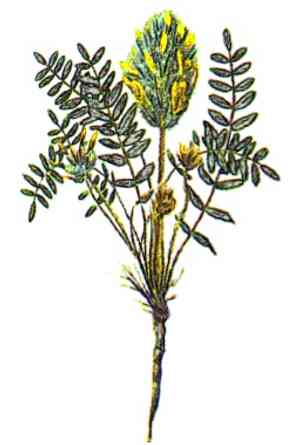
Montpellier milk vetch (Astragalus monspessulanus)
Also known as: Shrubby Milkvetch
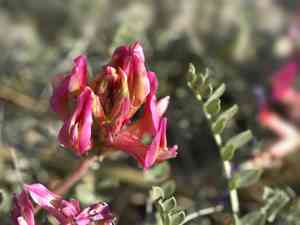
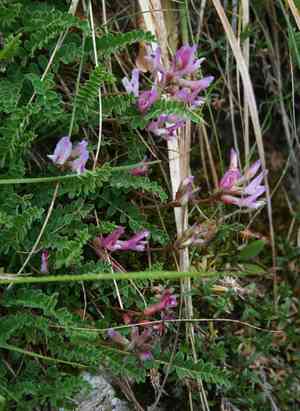
Red Yucca is a perennial herb that draws numerous butterfly species. Its captivating pink, tube-shaped flowers make it a delightful sight in natural settings.
In This Article
Attributes of Montpellier milk vetch
Lifespan
Perennial
Plant Type
Herb
Plant Height
20 cm
Spread
60 cm
Leaf Color
Green
Flower Size
2 cm to 3 cm
Flower Color
Pink Purple
Images of Montpellier milk vetch
Quickly Identify Montpellier milk vetch
1
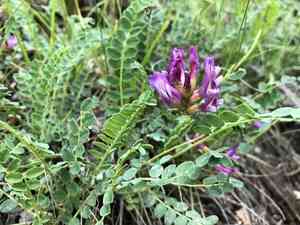
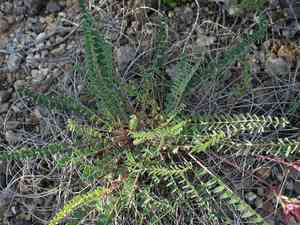
Astragalus monspessulanus can be identified by its compound leaves with multiple leaflets, flower clusters that are typically pink to purple, and its hairy stems. The pods are elongated and slightly curved.
Scientific Classification of Montpellier milk vetch
Phylum
Vascular plants
Class
Dicotyledons
Order
Fabales
Family
Legume
Genus
Milkvetch
Species
Montpellier milk vetch
Planting and Growing of Montpellier milk vetch
Care Difficulty
Easy
Watering Schedule
Every 2 days
Sunlight Requirements
Full sun
Sunshine Duration
4-8 hours
Ideal Temperature
59-77℉
Soil Type
Potting Mix, Peat Mix
Soil pH
6.5-7.5
Fertilizer Type
Balanced
Pruning Season
Spring, Summer
Pruning Area
Branches, Leaves
Pruning Frequency
2 times a year
Repotting Season
Spring
Pot Type
Plastic, Ceramic
 How to Water Montpellier milk vetch?
Astragalus monspessulanus requires about 250 milliliters of water each time. The principle is to keep the soil slightly moist but not soggy. Ensure the top few centimeters of soil dry out between waterings to prevent root rot, which can be a fatal condition for this plant.
What are the symptoms of an underwatered Montpellier milk vetch?
›
What should I do if my Montpellier milk vetch is not getting enough water?
›
What are the symptoms of an overwatered Montpellier milk vetch?
›
How to save an overwatered Montpellier milk vetch?
›
 What Are the Sunlight Requirements for Montpellier milk vetch?
Astragalus monspessulanus thrives best in environments that offer full sun to partial sun exposure. Receiving proper sunlight ensures optimal photosynthesis, resulting in lush foliage and profuse flowering, enhancing the plant's aesthetic and health.
More About Sunlight Requirements Techniques→
What is the ideal lighting condition for Astragalus monspessulanus?
›
How can I ensure the plant gets the ideal lighting conditions?
›
What benefits does Astragalus monspessulanus gain from ideal light exposure?
›
 What Is the Ideal Temperature Range for Montpellier milk vetch?
The ideal temperature range for Astragalus monspessulanus is crucial for optimal growth. This range ensures that the plant's physiological processes occur efficiently without thermal stress. Maintaining temperatures between 59°F and 77°F helps the plant to fully utilize sunlight, nutrients, and water resources, thus promoting vigorous growth.
 What Soil is Best for Montpellier milk vetch?
Astragalus monspessulanus thrives in well-drained soils. This characteristic ensures the roots are not waterlogged, preventing rot and encouraging healthy growth and nutrient uptake. The plant prefers nutrient-rich soils, which supply essential minerals for development. This helps promote robust stem growth and vibrant foliage, enhancing overall plant vitality. Being accustomed to calcareous soils, Astragalus monspessulanus benefits from the natural mineral content, supporting structural plant development and optimal physiological function.
 How to Fertilize Montpellier milk vetch?
Astragalus monspessulanus prefers a balanced approach to fertilization. For liquid fertilizers, apply at a concentration of 1 gram per liter of water. When using slow-release fertilizers, use approximately 40 grams per plant per application, ensuring even distribution around the root zone.
 How to Prune Montpellier milk vetch?
Begin by examining the plant for any dead or damaged stems and leaves. Use clean, sharp pruning shears to make cuts just above a healthy bud or lateral branch. This encourages new growth and maintains the plant's shape. Avoid cutting too close to the main stem to prevent diseases. To keep Astragalus monspessulanus aesthetically pleasing, trim back overgrown sections that disrupt the desired form. Assess the plant from different angles and trim back any branches that cross over others or spread too widely. This helps improve air circulation, preventing potential fungal infections.
More About Pruning Techniques→
 How to Propagate Montpellier milk vetch plant?
1
To propagate Astragalus monspessulanus from seeds, start by filling seed trays with a well-draining soil mix. Sow the seeds evenly across the surface, covering them lightly with soil. Ensure the soil remains moist but not waterlogged throughout the germination period.
2
For cutting propagation, select a healthy, mature stem from the parent plant. Using clean pruning shears, cut a 4-6 inch section just below a node. Remove any leaves from the lower half of the cutting to prevent excessive moisture loss.
3
Dip the cut end of each cutting in a rooting hormone to enhance root development. Plant the prepared cuttings in a sandy or perlite-rich medium. Ensure that the medium is well-draining and keep the cuttings in a warm, humid environment to encourage root growth.
 How to Repot Montpellier milk vetch plant?
1
Look for signs such as slower growth, roots growing out of drainage holes, or the soil drying out quickly. These indicate it's time to repot Astragalus monspessulanus. Spring and autumn are ideal seasons for repotting, as the plant is either emerging from dormancy or slowing down metabolically, minimizing transplant shock.
2
Select a pot slightly larger than the current one to provide adequate space for root growth, but avoid overly large pots as they can retain excess moisture leading to root rot. Opt for pots with drainage holes to ensure excess water can easily escape, lessening the risk of waterlogged roots.
3
Use a well-draining sandy loam soil mix to replicate the natural habitat of Astragalus monspessulanus. This soil structure encourages healthy root development and reduces the risk of fungal diseases that thrive in moist environments. Ensure the soil is loose and aerated for best results.
Toxicity
Ingestion
WARNING
The judgment on toxicity and danger is for reference only. We DO NOT GUARANTEE any accuracy of such judgment. Therefore, you SHALL NOT rely on such judgment. It is IMPORTANT TO SEEK PROFESSIONAL ADVICE in advance when necessary.



