How to Prune Montpellier milk vetch?
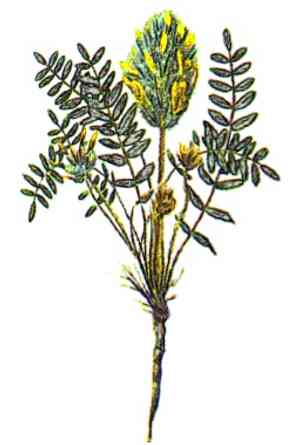
Montpellier milk vetch, a perennial legume recognized for its striking purple blossoms, thrives with periodic trimming for both vitality and visual appeal. Perform pruning during the spring and summer seasons, severing faded flower stalks to stimulate fresh development. Reduce density in congested sections to enhance air movement, thereby aiding in disease prevention. Trimming also fosters a denser, more compact growth pattern, elevating montpellier milk vetch's decorative qualities. Always employ sanitized, keen implements to avert contamination and guarantee precise incisions.
What Are the Benefits of Pruning Montpellier Milk Vetch?
What Are the Benefits of Pruning Montpellier Milk Vetch?
Trimming montpellier milk vetch promotes strong development and helps keep its desired form. By taking off dead or extra branches, it improves air flow, lowering disease risk, and stimulates new growth, leading to a more vigorous plant.
What Is the Best Time for Pruning Montpellier Milk Vetch?
What Is the Best Time for Pruning Montpellier Milk Vetch?
Pruning montpellier milk vetch in late spring or early summer aligns with the period after flowering, ensuring that the previous season's growth has matured. This timing encourages new growth and allows for the removal of spent blooms, which promotes a healthier plant. Avoiding pruning during autumn and winter protects the plant from harm during its dormant phase and unfavorable weather conditions that could increase the risk of disease.
What Tools Do I Need to Prune Montpellier Milk Vetch?
Bypass Pruners
Montpellier milk vetch typically has delicate stems, and for this reason, bypass pruners are recommended. These pruners make clean and precise cuts that can help prevent damage to the plant's structure.
Pruning Shears
For finer trimming or shaping of montpellier milk vetch, pruning shears are suitable. They allow for more exact control and are ideal for smaller or harder-to-reach areas.
Gloves
While not a cutting tool, gloves are essential for handling montpellier milk vetch, to protect against any potential skin irritants or to provide a better grip on the pruning tools.
How to Prune Montpellier Milk Vetch
Identify
Examine montpellier milk vetch thoroughly to identify diseased leaves, withered leaves, and diseased stems. Recognize the unhealthy parts by discoloration, spots, or rot.
Disinfect
Before beginning the pruning process, disinfect your pruning tools with a solution of bleach or alcohol to prevent the spread of disease.
Prune diseased leaves
Carefully remove diseased leaves by cutting at the base of the leaf stem, ensuring to make clean cuts to avoid damage to the healthy parts of montpellier milk vetch.
Prune withered leaves
Trim off withered leaves at their base to promote healthy growth and improve air circulation around montpellier milk vetch.
Prune diseased stems
Cut back diseased stems down to healthy tissue, making angled cuts just above a leaf node or branching point to facilitate healing and new growth.
Common Pruning Mistakes with Montpellier Milk Vetch
Over-pruning
Removing too much at once can stress montpellier milk vetch, resulting in reduced vigor and less flowering. Aim for moderate pruning to maintain plant health.
Improper Cutting Technique
Using dull, unclean tools or making imprecise cuts can damage montpellier milk vetch's stems, making them susceptible to disease.
Pruning Into Old Wood
Montpellier milk vetch may not respond well to cutting into old, woody stems. This can result in few to no new shoots and a loss of vitality.
Ignoring Plant Shape
Random or overly aggressive cuts without considering montpellier milk vetch's natural form can lead to an unbalanced shape and hinder plant growth.
Not Disinfecting Tools
Failing to disinfect pruning tools between uses can spread disease from plant to plant.
Common Pruning Tips for Montpellier Milk Vetch
Selective Pruning
Focus on thinning out crowded areas to improve air circulation and light penetration. This encourages robust growth for montpellier milk vetch.
Clean Cuts
Ensure that cuts are made with sharp, clean tools to minimize damage and aid in quicker healing for montpellier milk vetch.
Cut at an Angle
Make cuts at a 45-degree angle, sloping away from the bud, to prevent water accumulation and disease in montpellier milk vetch.
Maintain Natural Shape
Prune montpellier milk vetch by following its growth pattern, enhancing its natural form while increasing flower production.
Periodic Inspection
Regularly inspect montpellier milk vetch for dead, diseased, or damaged branches and remove them as needed to maintain the plant's health.



