How to Transplant Woolly Locoweed?
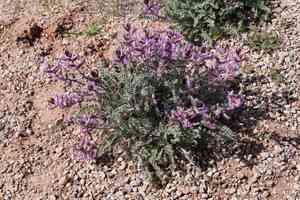
Relocate woolly Locoweed from the onset of late spring's warmth through the peak of early summer, fostering vigorous development in a bright, adequately drained location. Helpful advice: Confirm thorough root engagement with the earth for superior integration.
Essential Preparations Before Relocating Woolly Locoweed
Optimal Period for Moving Woolly Locoweed?
The prime time for relocating woolly Locoweed spans from late spring to early summer, ensuring a smooth transition. Placing woolly Locoweed in its new spot when the ground is warm and frost is no longer a concern encourages robust development. This timeframe provides woolly Locoweed with ample sunlight and moderate rainfall, aiding root establishment and vigor before winter. Choose this season to transplant woolly Locoweed for a thriving, lush addition to your garden.
Recommended Spacing Between Woolly Locoweed Plants?
Firstly, allow your woolly Locoweed ample room to thrive! A comfortable distance of approximately 12-18 inches (30-45 cm) between each plant will be highly beneficial. This spacing ensures each woolly Locoweed can expand and absorb all the nutrients and care it requires!
Best Soil Mixture for Woolly Locoweed Relocation?
Preparing the ideal bed is akin to wrapping your woolly Locoweed in a cozy blanket. Aim for soil that drains well and enrich the bed with a mild, balanced fertilizer prior to planting. This small effort will help your woolly Locoweed achieve the best possible start in its new environment!
Optimal Location for Your Woolly Locoweed?
Your woolly Locoweed loves the sun â it's quite the sun-worshipper, in fact. Select a site where it can receive at least 6 hours of direct sunlight daily. By doing so, you'll provide your woolly Locoweed with the warm embrace of the sun it desires for magnificent growth!
Tools Required Before Transplanting Woolly Locoweed
Gardening Gloves
To safeguard your hands while handling soil and plants.
Garden Shovel or Spade
For excavating the plant and the new planting hole.
Hand Trowel
Useful for managing smaller roots or making soil adjustments.
Watering Can or Hose
To hydrate the plant before and after moving it.
Measuring Tape
To accurately space out the transplant hole.
Garden Fork
To loosen the soil around the plant's root ball if necessary.
Wheelbarrow or Garden Cart
For moving the woolly Locoweed and any required soil or amendments.
Pruning Shears
To trim any damaged roots or foliage as needed.
Root Stimulator
To encourage new root development post-transplant.
How to Extract Woolly Locoweed from its Current Location?
How to Extract Woolly Locoweed from the Soil?
From Ground: First, moisten the woolly Locoweed to dampen the soil. Dig a wide circle around the plant using a garden shovel or spade, aiming to keep the root ball intact. Gently work the tool beneath the root ball to free it from the ground and lift the plant out.From Pot: Start by watering the woolly Locoweed. Turn the pot on its side, support the plant with one hand, and use the other to gently tap and squeeze the pot to loosen the root ball. Tilt the pot if necessary to carefully slide the plant out.From Seedling Tray: Water the seedlings initially. Then, use a hand trowel or your fingers to gently push up from the tray's bottom to lift the woolly Locoweed without harming its delicate roots.
Step-by-Step Guide for Relocating Woolly Locoweed
Preparation
Water your woolly Locoweed thoroughly before beginning the transplant process to reduce stress and hydrate its roots.
Excavation
Use a garden shovel to dig around the root ball of the woolly Locoweed in its original spot. Aim to preserve as much of the root system as possible.
Lifting
Carefully slide the shovel beneath the root ball and lift the woolly Locoweed from the ground. If it's in a seedling tray or pot, gently ease it out while keeping the soil around the roots.
New Hole
Dig a hole in the new location that is twice as wide and the same depth as the woolly Locoweed's root ball.
Placement
Position the woolly Locoweed in the center of the hole. The base of the stem should be level with the surrounding soil surface.
Backfilling
Fill the hole with soil, gently firming it down around the base of the woolly Locoweed to eliminate air pockets.
Initial Watering
Water the woolly Locoweed thoroughly after planting to settle the soil and hydrate the roots.
Support
If the woolly Locoweed is large or in a windy area, it may need staking. Insert stakes and loosely tie the plant to them for support.
Post-Transplant Care for Woolly Locoweed
Immediate Hydration
Right after transplanting, water the woolly Locoweed generously to help the soil settle.
Monitoring
Observe the woolly Locoweed daily for indications of stress, such as wilting or yellowing leaves, which may signal a need for more or less water.
Consistent Watering
Keep the surrounding soil moist for the initial few weeks to encourage root establishment, without overwatering.
Mulching
Apply a layer of mulch around the base of the woolly Locoweed to retain moisture and regulate soil temperature.
Pruning
Trim any broken or damaged branches to help the woolly Locoweed direct its energy towards developing new roots.
Stake Removal
Remove any stakes once the woolly Locoweed has established itself and can stand upright without assistance, typically within a few months.
Resolving Common Issues with Woolly Locoweed Relocation.
What is the best season for moving woolly Locoweed?
The optimal period to transplant woolly Locoweed is during late spring to early summer, when temperatures are mild.
How much space should I allow between woolly Locoweed when transplanting?
Space woolly Locoweed approximately 12-18 inches (30-45 cm) apart to provide each plant ample room to grow.
Why is my transplanted woolly Locoweed wilting?
Wilting after transplanting is common; ensure woolly Locoweed is well-hydrated and not immediately exposed to intense sunlight.
Which soil type is ideal for transplanting woolly Locoweed?
Utilize well-draining soil enriched with organic matter to foster healthy root development in woolly Locoweed.
How much should I water woolly Locoweed after transplanting?
Maintain consistently moist but not waterlogged soil, especially during the first few weeks post-transplant.
Should I fertilize woolly Locoweed immediately after transplanting?
Wait several weeks before fertilizing woolly Locoweed to prevent burning delicate roots; allow them to establish first.
What depth should I plant woolly Locoweed's root ball?
Plant woolly Locoweed's root ball at the same depth it was in its original container to avoid root suffocation.
Can I transplant woolly Locoweed on a hot, sunny day?
Transplant woolly Locoweed on an overcast day or in the evening to minimize transplant shock and water stress.
What signs of stress should I look for after moving woolly Locoweed?
Look for yellowing leaves, stunted growth, or leaf drop, which can indicate transplant stress in woolly Locoweed.
How to safeguard woolly Locoweed right after transplanting?
Protect woolly Locoweed from strong winds and intense sunlight, and use a layer of mulch to retain soil moisture.



