How to Prune Woolly Locoweed?
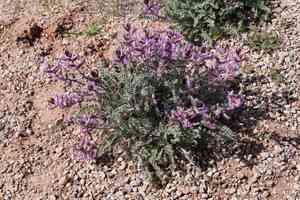
Distinguished by its plush leaves, woolly Locoweed is a perennial plant that thrives with trimming to control its expansion and eliminate seed capsules. Perform pruning in the latter part of spring or early summer subsequent to flowering to foster a denser form. Sever any lifeless or frail stalks at their base. Consistent elimination of aged vegetation enhances vitality, discourages infestations, and hinders self-seeding, which can be aggressive. Trimming is essential for preserving the plant's well-being and achieving its intended visual appeal.
What Are the Benefits of Pruning Woolly Locoweed?
What Are the Benefits of Pruning Woolly Locoweed?
Trimming woolly Locoweed promotes robust development and helps maintain its form, ensuring a healthier, more attractive plant with managed dimensions for improved garden fit.
What Is the Best Time for Pruning Woolly Locoweed?
What Is the Best Time for Pruning Woolly Locoweed?
Trimming woolly Locoweed in Spring, specifically after the final frost, allows for the removal of any winter damage without harming new growth. Early Summer pruning ensures the plant keeps its shape and vitality throughout the growing season. It also helps prevent disease spread, which is more common in damp, cooler conditions. This timing aligns with woolly Locoweed's natural growth cycle post-dormancy, directing energy towards healthy new growth and potential blooms.
What Tools Do I Need to Prune Woolly Locoweed?
Hand Pruners
Perfect for making precise cuts on the thinner, more delicate stems of woolly Locoweed, minimizing plant damage.
Pruning Saw
Essential for cutting through thicker branches that may occasionally appear on woolly Locoweed, offering accurate control.
Gardening Gloves
Shields hands from the plant's potentially irritating hairs and ensures a secure grip on implements.
Loppers
Useful for reaching into denser areas of woolly Locoweed to trim without accidentally harming surrounding foliage.
How to Prune Woolly Locoweed
Identify
Carefully examine woolly Locoweed to locate any diseased or withered leaves and any affected stems needing removal.
Sterilize
Sanitize your pruning tools with rubbing alcohol or a 10% bleach solution to prevent disease transmission when cutting woolly Locoweed.
Cut diseased leaves
Using sharp pruning shears, carefully snip off the diseased leaves from woolly Locoweed at their base, without harming nearby healthy tissue.
Trim withered leaves
Remove the withered leaves from woolly Locoweed by cutting them off at the base to encourage fresh growth and enhance plant health.
Remove diseased stems
Cut back the diseased stems of woolly Locoweed to healthy tissue, making angled cuts just above a bud or branching point to promote healthy regrowth.
Common Pruning Mistakes with Woolly Locoweed
Overpruning
Removing too much growth at once can stress woolly Locoweed, potentially leading to poor health or even plant demise.
Incorrect Cuts
Making cuts too close to the main stem or too far from a bud can result in improper healing and increase vulnerability to disease.
Dirty Tools
Using unsanitized pruning tools can introduce pathogens to woolly Locoweed, increasing the risk of infection.
Neglecting Deadhead
Failing to remove spent flowers can result in wasted energy for woolly Locoweed as it may continue to invest in seed production rather than new growth.
Ignoring Plant Shape
Pruning without considering the natural form of woolly Locoweed can lead to an unnatural appearance and compromised structure.
Common Pruning Tips for Woolly Locoweed
Selective Pruning
Prune selectively, removing only diseased, dead, or weak stems to maintain the health and aesthetic of woolly Locoweed.
Proper Technique
Use sharp, clean tools and make angled cuts above a leaf node or lateral branch to encourage proper healing and new growth.
Sterilization
Sterilize pruning tools before use to prevent the spread of disease among plant specimens.
Conservative Approach
Adopt a conservative approach, trimming no more than one-third of woolly Locoweed's growth to avoid over-stressing the plant.
Monitor Growth
Regularly observe woolly Locoweed's growth patterns to determine the optimal branches for pruning to encourage a balanced shape and vigorous flowering.



