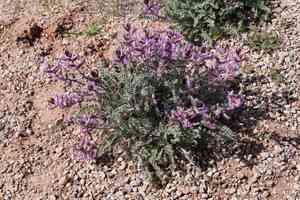
Woolly Locoweed (Astragalus mollissimus)
Also known as: Purple Locoweed, Earle's Woolly Locoweed
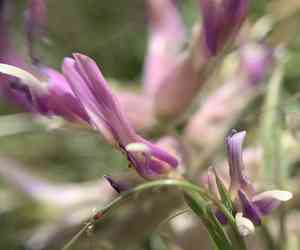
Woolly Locoweed (Astragalus mollissimus) is a perennial herb native to western North America. It features dense, woolly hairs covering its stems and leaves, which is how it gets its name. This plant typically produces clusters of small, pea-like flowers in hues of purple, pink, or white. The blooming season generally spans from late spring to early summer, around May to June. The flowers eventually develop into distinctive, moon-shaped seedpods. Woolly Locoweed is toxic to livestock, often causing a condition known as "locoism."
In This Article
Attributes of Woolly Locoweed
Lifespan
Perennial
Plant Type
Herb
Plant Height
5 cm to 86 cm
Spread
Spreads to about 30 cm
Leaf Color
Grey-green
Flower Size
1.9 cm to 25 cm
Flower Color
Red
Images of Woolly Locoweed
Quickly Identify Woolly Locoweed
1
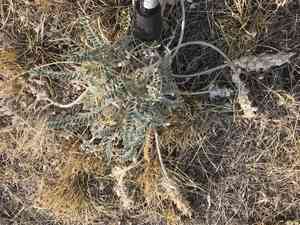
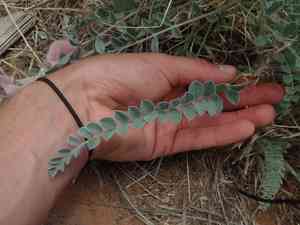
The plant can be identified by its woolly, grey-green leaves that are covered in fine, silky hairs. Its flowers are typically purple or pink and bloom in clusters.
Scientific Classification of Woolly Locoweed
Phylum
Vascular plants
Class
Dicotyledons
Order
Fabales
Family
Legume
Genus
Milkvetch
Species
Woolly Locoweed
Planting and Growing of Woolly Locoweed
Care Difficulty
Moderate
Watering Schedule
Every 2 days
Sunlight Requirements
Full sun
Sunshine Duration
6-10 hours
Ideal Temperature
68-77℉
Soil Type
Potting Mix, Peat Mix
Soil pH
6.5-7.5
Fertilizer Type
Balanced
Pruning Season
Spring, Summer
Pruning Area
Branches, Leaves
Pruning Frequency
2 times a year
Repotting Season
Spring
Pot Type
Plastic, Ceramic
 How to Water Woolly Locoweed?
When watering Astragalus mollissimus, it's important to ensure the soil is moist but not waterlogged. A typical guideline is to provide about 300 ml of water per session. Ensure water penetrates deeply, reaching the root system without stagnation on the surface.
What are the symptoms of an underwatered Woolly Locoweed?
›
What should I do if my Woolly Locoweed is not getting enough water?
›
What are the symptoms of an overwatered Woolly Locoweed?
›
How to save an overwatered Woolly Locoweed?
›
 What Are the Sunlight Requirements for Woolly Locoweed?
Full sun to partial sun exposure is ideal, allowing Astragalus mollissimus to grow in conditions mimicking its native habitat. Ideal sunlight promotes optimal photosynthesis, boosting growth, vibrant blooms, and enhanced resistance to environmental stressors.
What is the ideal location for Astragalus mollissimus?
›
How to ensure optimal light exposure?
›
What are the benefits of ideal lighting?
›
 What Is the Ideal Temperature Range for Woolly Locoweed?
The ideal temperature range for Astragalus mollissimus growth is between 68°F to 77°F. Within this range, the plant can efficiently perform photosynthesis and nutrient uptake, leading to optimal growth and development. These conditions mimic the moderate climate in its native environment, promoting robust root and foliage growth.
 What Soil is Best for Woolly Locoweed?
Astragalus mollissimus thrives in well-drained soils. Ensuring proper drainage prevents root rot and supports healthy root development, which is crucial for absorbing nutrients efficiently. This plant prefers soils with moderate fertility. Excess nutrients can lead to lush foliage at the expense of flowering, while poor soil limits growth potential. A neutral to slightly alkaline pH of 6.5 to 7.5 is ideal, as it facilitates nutrient availability and optimal enzymatic activity within the plant.
 How to Fertilize Woolly Locoweed?
For Astragalus mollissimus, use a balanced 10-10-10 liquid fertilizer at a rate of half a teaspoon per gallon of water. This ensures the plant receives nutrients without the risk of over-fertilization.
 How to Prune Woolly Locoweed?
Begin by sterilizing your pruning shears to prevent disease transmission. Remove any dead, damaged, or diseased branches by cutting them back to the base. Next, thin out the interior branches to improve air circulation and sunlight penetration, which can enhance flower production. Be sure to cut just above a node or lateral branch to encourage new shoots.
More About Pruning Techniques→
 How to Propagate Woolly Locoweed plant?
1
Fill the seed tray with sterile potting mix, leaving some space at the top. Water lightly to moisten the soil, ensuring it’s not waterlogged, to provide an ideal environment for seed germination.
2
Distribute the seeds evenly over the prepared trays. Lightly cover them with a thin layer of soil, about twice the thickness of the seed, to protect them while allowing light exposure for germination.
3
Place the tray in a location that receives indirect sunlight and maintain a temperature around 20°C (68°F). Ensure the soil stays consistently moist by misting the surface when it begins to dry.
 How to Repot Woolly Locoweed plant?
1
Astragalus mollissimus should be repotted when you notice the roots winding around the container's bottom or protruding from the drainage holes. These are indications that the plant has outgrown its current pot. Additionally, if the soil appears compacted and isn't retaining moisture as it should, it's a signal that repotting is needed. Aim for spring or early summer, when the plant is gearing up for active growth.
2
Opt for a pot that is 1-2 inches larger in diameter than the current one. Ensure it has adequate drainage holes to prevent waterlogging, as Astragalus mollissimus prefers drier conditions. Clay pots are ideal because they allow better air exchange and moisture evaporation, which is crucial for this plant's health.
3
The ideal soil for repotting Astragalus mollissimus is a well-draining sandy mix. Use a cacti or succulent mix for optimal results. This type of soil prevents root rot by allowing excess water to drain away quickly, ensuring the plant's roots remain healthy and oxygenated.
Toxicity
Ingestion of the plant
WARNING
The judgment on toxicity and danger is for reference only. We DO NOT GUARANTEE any accuracy of such judgment. Therefore, you SHALL NOT rely on such judgment. It is IMPORTANT TO SEEK PROFESSIONAL ADVICE in advance when necessary.
Learn More About Woolly Locoweed Diseases
Anthracnose
Bacterial Leaf Spot
Bacterial Wilt
Chemical Injury
Crown Gall
Cyst Nematode
Damping-off
Downy Mildew
Drought Stress
Fusarium Wilt
Gray Mold
Leaf Spot
Mosaic
Nutrient Deficiency
Nutrient Toxicity
Powdery Mildew
Root Rot
Root-knot Nematode
Rusts
Sooty Mold
Spider Mites
Temperature Stress
Thrips Damage
White Mold



