How to Transplant New mexico spiny milkvetch?
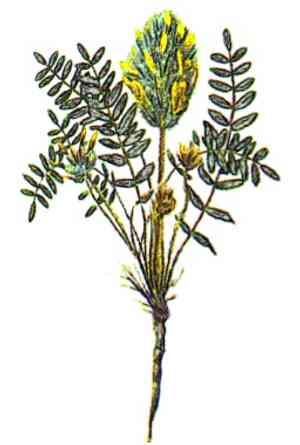
New Mexico spiny milkvetch flourishes when relocated from early spring's nascent period to its full, lively flowering. Select locations that receive ample sunlight and possess good drainage. Guarantee minimal disruption to the root system for successful integration.
Essential Preparations Before Relocating New Mexico Spiny Milkvetch?
When is the Best Time to Move New Mexico Spiny Milkvetch?
The ideal window for relocating new mexico spiny milkvetch spans from early to late spring. This period benefits from cooler temperatures and increased soil moisture, promoting superior root establishment and development. Transplanting at this time ensures the perennial develops a strong root system before the rigors of summer heat, leading to enhanced survival and vitality.
What is the Recommended Spacing Between New Mexico Spiny Milkvetch Plants?
New mexico spiny milkvetch should be positioned 12-18 inches (30-45 cm) apart. This spacing provides ample room for each plant to grow robustly without competing for vital resources. Measure precisely and mark the planting spots in your garden prior to transplanting.
What is the Optimal Soil Blend for New Mexico Spiny Milkvetch Transplanting?
For new mexico spiny milkvetch, select soil that drains well, such as sandy or loamy types. Amend the soil with a foundational fertilizer like compost or a balanced mix of nitrogen, phosphorus, and potassium. This encourages vigorous root growth and gives the plant the best possible start.
Where Should You Replant Your New Mexico Spiny Milkvetch?
Choose a sunny spot for new mexico spiny milkvetch, as these plants flourish with at least 6-8 hours of direct sunlight daily. Steer clear of shaded areas to guarantee they receive sufficient light for peak growth.
What Tools Are Necessary Before Transplanting New Mexico Spiny Milkvetch?
Gardening Gloves
To safeguard your hands while handling soil and plants.
Shovel or Spade
For excavating the planting hole and creating trenches around the plant.
Hand Trowel
For more delicate tasks around the plants and their root systems.
Watering Can or Hose
To hydrate the plant before and after its relocation.
Wheelbarrow
To move the plant and soil if required.
Stakes and Ties
To offer support to the plant if necessary.
How to Extract New Mexico Spiny Milkvetch from the Ground?
How to Extract New Mexico Spiny Milkvetch from the Ground?
From Ground: First, moisten the soil around the new mexico spiny milkvetch plant by watering it. Next, use a shovel or spade to dig a wide trench around the plant, ensuring the root ball remains intact. Carefully work the spade beneath the root ball to lift the plant from its original spot.From Pot: Thoroughly water the new mexico spiny milkvetch plant until the soil is damp. Gently tip the pot sideways and tap its edges to loosen the root ball. Carefully slide the plant out, supporting the root ball to prevent damage.From Seedling Tray: Water the new mexico spiny milkvetch seedlings to moisten their soil. Gently use a hand trowel or your fingers to pry out the seedlings, making sure to handle them by their leaves to avoid harming the delicate stems.
Step-by-Step Guide for Relocating New Mexico Spiny Milkvetch
Preparation
Prepare the new planting site by digging a hole twice as wide and equally deep as the new mexico spiny milkvetch's root ball.
Plant Removal
Extract the new mexico spiny milkvetch from its initial location using the appropriate method detailed above.
Placing the Plant
Position the new mexico spiny milkvetch in the new hole so that the top of its root ball is level with the surrounding soil surface.
Backfilling
Refill the hole with soil, gently compacting it around the root ball to eliminate air pockets.
Watering In
Thoroughly water the new mexico spiny milkvetch to settle the soil around its roots and aid its adjustment to the new environment.
Mulching
Apply a layer of mulch around the base of the new mexico spiny milkvetch, leaving a small space around the stem to prevent rot.
Post-Transplant Care for New Mexico Spiny Milkvetch
Watering
Maintain consistent moisture in the soil around the new mexico spiny milkvetch, avoiding sogginess, for the initial weeks after transplanting to encourage strong root development.
Monitoring
Regularly inspect the plant for indications of stress, such as wilting or yellowing foliage, and adjust its care routine as necessary.
Support
If the new mexico spiny milkvetch is tall or situated in a windy area, consider using stakes and ties to support it until it is well-established.
Weeding
Keep the area surrounding the new mexico spiny milkvetch free of weeds to minimize competition for water and nutrients.
Addressing Common Issues During New Mexico Spiny Milkvetch Transplantation.
What is the optimal period to transplant new mexico spiny milkvetch?
Relocate new mexico spiny milkvetch from early to late spring for best growth and adaptation.
How much space should I allow between new mexico spiny milkvetch plants?
New mexico spiny milkvetch requires 12-18 inches (30-45 cm) of spacing for adequate growth.
Which soil type is ideal for transplanting new mexico spiny milkvetch?
New mexico spiny milkvetch thrives in well-drained, sandy or gravelly soil with minimal organic content.
How much water does new mexico spiny milkvetch need post-transplant?
Water new mexico spiny milkvetch deeply once weekly until established, then reduce watering to prevent root rot.
What if new mexico spiny milkvetch's leaves yellow after transplanting?
Yellowing leaves might signal overwatering. Ensure good soil drainage and decrease watering frequency.
How can I protect new mexico spiny milkvetch from transplant shock?
Minimize root disturbance by handling new mexico spiny milkvetch gently and keeping the root ball intact during relocation.
Can new mexico spiny milkvetch be transplanted into full sun?
Yes, new mexico spiny milkvetch prefers full sun; ensure the new site receives at least 6 hours of direct sunlight daily.
Should I fertilize new mexico spiny milkvetch immediately after transplanting?
Avoid immediate fertilization for new mexico spiny milkvetch. Wait until it's established, then use a low-nitrogen fertilizer.
How can I improve soil drainage for new mexico spiny milkvetch?
Incorporate sand or gravel into the soil and create raised beds to enhance drainage for new mexico spiny milkvetch.
What temperature range is best for transplanting new mexico spiny milkvetch?
Transplant new mexico spiny milkvetch when temperatures are between 50-70°F (10-21°C) for optimal establishment.



