New mexico spiny milkvetch(Astragalus kentrophyta)

New mexico spiny milkvetch (Astragalus kentrophyta)

Also known as: Mat milkvetch, Douglas' spiny milkvetch, Thistle milkvetch, Sweetwater mountains milkvetch

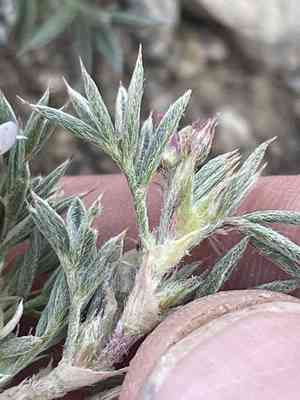
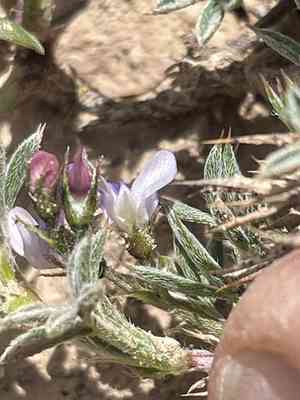
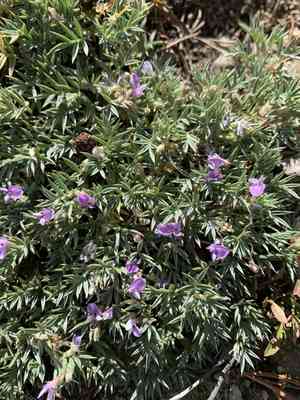
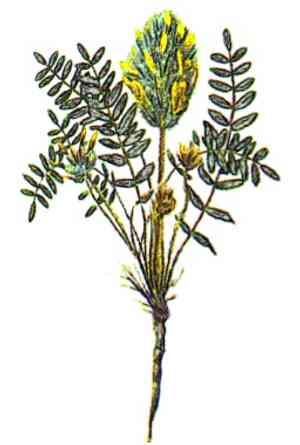
The New Mexico spiny milkvetch is a hardy perennial herb that thrives in arid environments through several key adaptations. Its deep taproot system enables it to reach water buried deep within the soil. The plant's spiny, needle-like leaves minimize water loss by reducing the surface area for transpiration and also deter herbivores. Its low, cushion-like growth form helps it conserve moisture and withstand harsh conditions. Additionally, it produces small, yellow, pea-like flowers, which are well-suited to its tough surroundings. These features collectively ensure the plant's survival in dry, challenging habitats.

Attributes of New mexico spiny milkvetch

Lifespan
Perennial
Plant Type
Herb
Plant Height
5-25 cm (2-10 inches)
Spread
Variable, often forms low mats or clumps
Leaf Color
Green to gray-green
Flower Size
Up to 1 cm (0.4 inches)
Flower Color
Pale yellow, white, or pink

ForwardPlant - Identify plants with a snap

Identify and diagnose plants, get toxicity alerts, and explore safety guides for all types of fungi.

Try for Free

Images of New mexico spiny milkvetch
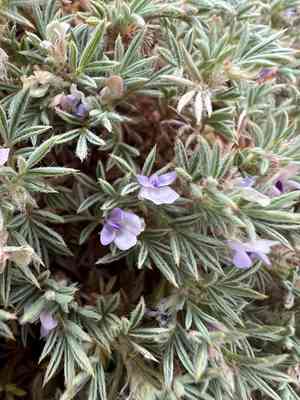
New mexico spiny milkvetch(Astragalus kentrophyta)

Quickly Identify New mexico spiny milkvetch

1
Astragalus kentrophyta can be identified by its needle-like leaves and spiny appearance. The plant often has a tufted growth form and small, pea-like flowers that are usually pale in color.

Scientific Classification of New mexico spiny milkvetch

Phylum
Vascular plants
Class
Dicotyledons
Order
Fabales
Family
Legume
Genus
Milkvetch
Species
New mexico spiny milkvetch

Planting and Growing of New mexico spiny milkvetch

Care Difficulty
Hard
Watering Schedule
Every 2 days
Sunlight Requirements
Full sun
Sunshine Duration
6-10 hours
Ideal Temperature
60-75℉
Soil Type
Potting Mix, Peat Mix
Soil pH
6.5-7.5
Fertilizer Type
Balanced
Pruning Season
Spring, Summer
Pruning Area
Branches, Leaves
Pruning Frequency
2 times a year
Repotting Season
Spring
Pot Type
Plastic, Ceramic

water icon How to Water New mexico spiny milkvetch?

Astragalus kentrophyta, known for its drought resistance, requires modest watering. Aim to provide around 100 milliliters per session. It's important to drench the soil thoroughly but allow it to dry out completely between waterings to support healthy root development.
What are the symptoms of an underwatered New mexico spiny milkvetch?
What should I do if my New mexico spiny milkvetch is not getting enough water?
What are the symptoms of an overwatered New mexico spiny milkvetch?
How to save an overwatered New mexico spiny milkvetch?

sunlight icon What Are the Sunlight Requirements for New mexico spiny milkvetch?

Sunlight Requirements: Full sun
Duration of light: 6 to 8 hours sunlight
Astragalus kentrophyta requires full sun exposure for optimal growth. This exposure ensures vigorous growth, increasing its robustness against pests and optimizing flowering and seed production.
What is the best location for optimal sunlight?
How can I ensure the plant receives enough light indoors?
What adjustments should be made during different seasons?

temperature icon What Is the Ideal Temperature Range for New mexico spiny milkvetch?

Ideal Temperature: 60 ~ 75℉
For the optimal growth of Astragalus kentrophyta, a temperature range of 60 to 75 °F is considered ideal. This range helps to encourage healthy growth, adequate nutrient absorption, and robust flowering. Maintaining this temperature ensures that the plant remains in optimal physiological condition, which is crucial for its overall development.

soil icon What Soil is Best for New mexico spiny milkvetch?

Soil type: Sandy soil, Sandy loam, Loam
Soil PH: 6.5 ~ 7.5
Astragalus kentrophyta thrives in well-drained soils that prevent waterlogging. This helps avoid root rot and promotes root health, essential for the plant's survival in its natural habitats. This plant naturally grows in nutrient-poor soils, making it well-suited for environments where other plants may struggle to find nutrients. This promotes resilience and adaptability. Astragalus kentrophyta prefers low organic content in its soil, mirroring its natural alpine and subalpine regions. Such conditions ensure it does not compete with more aggressive species.

fertilize icon How to Fertilize New mexico spiny milkvetch?

Fertilizer type: Balanced
For Astragalus kentrophyta, it is crucial to avoid heavy fertilization as this plant thrives in relatively low-nutrient environments. A diluted liquid fertilizer, applied at half the recommended strength, is often sufficient. Fertilize sparingly to prevent nutrient burn.

prune icon How to Prune New mexico spiny milkvetch?

Pruning Time: Spring, Summer
Begin by cutting back any dead or damaged branches, using sharp pruning shears. Trim just above a healthy bud or at the branch collar to encourage robust new growth. It's crucial to make clean cuts to avoid tearing the plant tissue. Once dead wood is removed, focus on shaping the plant, particularly around spring for vigorous growth and summer for managing size. Aim to maintain its natural form and encourage an open structure that allows light and air to circulate. More About Pruning Techniques

propagate icon How to Propagate New mexico spiny milkvetch plant?

Propagate Time: Spring, Early spring
1
Collect seeds from mature Astragalus kentrophyta plants in late summer. Ensure seeds are dry and free from disease before storage.
2
Plant seeds at a shallow depth in a seed tray filled with potting mix. Space them adequately to prevent overcrowding and ensure healthy growth.
3
Water the seeds lightly and regularly to maintain moisture in the soil. Avoid over-watering as it can lead to seed rot.
More About Propagating Techniques

repot icon How to Repot New mexico spiny milkvetch plant?

Repotting frequency: Every 2-3 years
1
Astragalus kentrophyta typically signals the need for repotting when growth appears stunted or roots become visible through drainage holes. Repotting can ideally be timed during its active growing seasons in spring or summer to minimize stress.
2
Select a pot with excellent drainage, ideally one that is one or two sizes larger than the current one. The pot should have multiple drainage holes to prevent water logging, which can lead to root rot. Terracotta pots are a great option as they allow for better air movement around the roots.
3
Choose a soil mix that provides excellent drainage, such as a blend of sandy soil and perlite. This ensures that excess water drains away quickly, preventing root rot and other moisture-related issues, promoting healthier plant growth.

ForwardPlant - Identify plants with a snap

Find the best spots for them to optimize their health, simply using your phone.

Try for Free