How to Propagate New mexico spiny milkvetch?
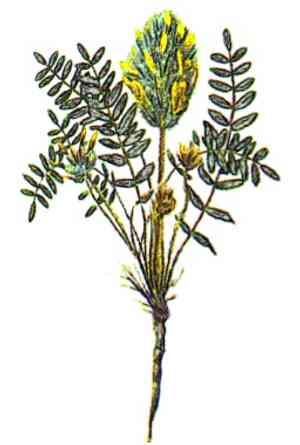
New Mexico spiny milkvetch, a perennial leguminous plant, thrives in rocky and sandy substrates. Reproduction is generally achieved via seeding. Pre-treating seeds through scarification prior to planting and providing adequately drained soil facilitates sprouting. A thin layer of soil over the seeds, coupled with consistently damp but not saturated conditions, encourages robust development. Replicating natural environmental conditions assists in fostering ideal growth.
Optimal Period for Propagating New Mexico Spiny Milkvetch?
Propagation Method
Seeding
Propagation Season
Spring
What Equipment Is Used in New Mexico Spiny Milkvetch Propagation?
Seed Tray
Utilized for planting seeds in a controlled setting, enabling easier regulation of moisture and temperature. Ensure the seed tray has sufficient drainage to prevent waterlogging, vital for new mexico spiny milkvetch seedling health.
Seed Compost
A specialized growing medium that offers the correct nutrients, pH balance, and drainage for new mexico spiny milkvetch seed germination. This substrate promotes robust root development and avoids issues from poor soil conditions.
Plant Labels
Essential for tracking new mexico spiny milkvetch seeds and young plants, especially when propagating multiple varieties. Accurate labeling ensures proper identification and care.
Humidity Dome
Placed over the seed tray to maintain high humidity, which aids seed germination by preventing moisture loss. This is particularly beneficial for new mexico spiny milkvetch as consistent humidity supports strong seedling growth.
Fine Mist Spray Bottle
Used for gently watering new mexico spiny milkvetch seeds without disturbing the soil or seeds. This tool ensures seeds remain moist during the crucial germination phase.
Heat Mat
A device positioned beneath the seed tray to provide consistent bottom warmth, encouraging faster germination and enhancing seedling vigor. This is especially useful in cooler climates where new mexico spiny milkvetch may require extra heat to sprout effectively.
Seed Dibber
A pointed instrument to create uniform planting holes for new mexico spiny milkvetch seeds. Using a dibber ensures each seed is sown at the correct depth, crucial for consistent germination.
Row Marker
Assists in marking straight seed rows in the tray to ensure even spacing and organization of new mexico spiny milkvetch seeds. This helps maintain optimal growing conditions for each seedling.
Watering Can with Fine Rose
Provides gentle irrigation to seedlings. A fine rose attachment ensures water is distributed evenly without causing soil erosion or harming delicate new mexico spiny milkvetch seedlings.
How to Propagate New Mexico Spiny Milkvetch?
Propagation Type
Easy
How to Care for Your Newly Propagated New Mexico Spiny Milkvetch?
How to Care for Your Newly Propagated New Mexico Spiny Milkvetch?
Following transplanting, new mexico spiny milkvetch should be regularly observed to confirm proper establishment. Water the plants moderately, allowing the soil to dry out slightly between waterings. Avoid excessive watering as new mexico spiny milkvetch is drought-tolerant and prefers well-draining soil. Apply a balanced, slow-release fertilizer once during the growing season. Monitor for pests and diseases, and prune any dead or damaged parts to encourage healthy development. In colder regions, mulching can help protect the roots during winter.
Common Mistakes to Avoid When Propagating New Mexico Spiny Milkvetch
Overwatering
Excessive watering can lead to root rot, as new mexico spiny milkvetch prefers well-draining soil and can suffer from too much moisture.
Improper Soil Mix
Using a rich, dense soil mix can cause poor drainage and root diseases. New mexico spiny milkvetch thrives better in a gritty, well-draining substrate.
Incorrect Light Conditions
Providing insufficient light can result in weak, leggy growth. New mexico spiny milkvetch requires ample sunlight to develop properly.
Neglecting Temperature Needs
Exposing new mexico spiny milkvetch to extreme cold can damage or kill the plant, as it is not adapted to such conditions.
Tips For Propagating New Mexico Spiny Milkvetch
Use Well-Draining Soil
Utilize a soil mix with sand, perlite, or grit to ensure proper drainage and prevent root rot.
Moderate Watering
Water sparingly and allow the soil to dry out between waterings to avoid overwatering issues.
Adequate Sunlight
Place new mexico spiny milkvetch in a location where it receives full sun to ensure healthy and robust growth.
Proper Temperature Control
Maintain a moderate temperature range, protecting new mexico spiny milkvetch from frost and extreme cold.



