How to Transplant Anderson's milkvetch?
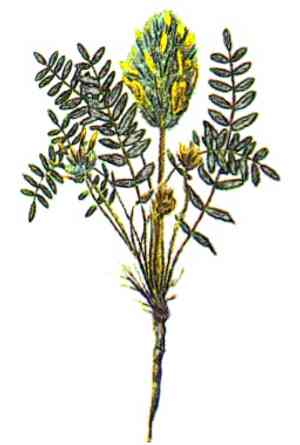
Anderson's milkvetch flourishes when relocated during the initial to middle spring or mid-autumn periods, due to milder temperatures that minimize shock. Provide a bright spot with soil that drains effectively. Should the root system seem fragile, exercise additional caution to prevent harm.
Essential Preparations Before Relocating Anderson's Milkvetch
Optimal Timing for Anderson's Milkvetch Relocation?
The best periods for moving anderson's milkvetch are early spring, mid-spring, and mid-fall. These seasons offer mild temperatures and sufficient moisture, aiding root development. Transplanting during these times also lessens stress from harsh weather, ensuring better survival and growth. Proper plant and soil preparation in these seasons maximizes benefits.
Recommended Spacing Between Anderson's Milkvetch Plants?
When relocating anderson's milkvetch, ensure plants are spaced approximately 24-36 inches (61-91 cm) apart. This provides ample room for growth and prevents overcrowding, allowing each plant to flourish.
Best Soil Blend for Anderson's Milkvetch Relocation?
Prepare well-draining soil enriched with compost or a balanced base fertilizer. This supplies the necessary nutrients for anderson's milkvetch. Sandy-loam soil is ideal, as it prevents waterlogging and supports robust root growth.
Ideal New Location for Your Anderson's Milkvetch?
Select a site that receives full sunlight for at least 6-8 hours daily. Anderson's milkvetch thrives in bright light, which encourages vigorous growth and blooming. Avoid shaded areas, as this can impede the plant's development.
Tools Required Before Relocating Anderson's Milkvetch?
Gardening Gloves
To safeguard your hands while handling soil and the plant.
Spade or Shovel
For excavating the plant from its original spot and creating a new planting hole.
Hand Trowel
For more precise digging and assisting with planting.
Watering Can or Hose
To thoroughly hydrate the plant before and after its move.
Pruning Shears
For trimming any dead or damaged roots and foliage.
Bucket
For transporting the plant if moving it a short distance.
How to Extract Anderson's Milkvetch from the Ground?
How to Extract Anderson's Milkvetch from the Ground?
From Ground: First, moisten the soil around the anderson's milkvetch plant by watering it. Next, dig a wide trench around the plant using a spade or shovel, making sure the plant's root ball stays intact. Carefully work the spade beneath the root ball to lift the plant from its initial location.From Pot: Gently tap the pot's sides to loosen the plant. Hold the plant at its base and invert the pot, carefully sliding the plant out. If the plant is root-bound, gently massage the root ball to free the roots.From Seedling Tray: Use a hand trowel or your fingers to carefully lift the seedlings from the tray, ensuring as much of the root system remains intact as possible. Handle seedlings by their leaves to avoid harming delicate stems.
Detailed Guide for Relocating Anderson's Milkvetch
Preparation
Water the anderson's milkvetch plant thoroughly several hours prior to relocation to minimize transplant shock.
Digging New Hole
Excavate a new hole in the ground that is twice as wide and equally deep as the plant's current root ball.
Removing Plant
Carefully extract the anderson's milkvetch plant from its original spot as previously described.
Planting
Position the anderson's milkvetch plant into the prepared hole, ensuring it sits at the same depth as it was in its previous location. Backfill the hole with soil and gently firm it around the plant's base.
Watering
Water the anderson's milkvetch plant thoroughly immediately after relocation to help settle the soil and remove air pockets.
Mulching
Apply a layer of mulch around the plant's base to help retain moisture and suppress weeds.
Post-Relocation Care for Anderson's Milkvetch
Watering
Keep the soil around the anderson's milkvetch consistently damp, but not waterlogged, for the initial weeks after relocation to aid in strong root establishment.
Monitoring
Observe for any indications of transplant shock, such as wilting or yellowing leaves, and take appropriate action if necessary.
Pruning
Remove any dead or damaged leaves or stems to help the plant direct its energy towards establishing new roots.
Protection
If relocating during hot weather, provide some shade to shield the plant from excessive sunlight until it becomes established.
Addressing Common Issues During Anderson's Milkvetch Relocation.
When is the best time to relocate anderson's milkvetch?
Early or mid-spring, and mid-fall offer ideal conditions for moving anderson's milkvetch.
How much space should I leave between anderson's milkvetch plants?
Space anderson's milkvetch plants 24-36 inches (61-91 cm) apart for proper growth.
What soil conditions are ideal for anderson's milkvetch?
Anderson's milkvetch thrives in well-drained, sandy or rocky soil with ample sunlight.
How should I prepare the soil for anderson's milkvetch?
Loosen soil to a depth of 12 inches (30 cm) and incorporate organic compost.
How do I minimize transplant shock for anderson's milkvetch?
Water anderson's milkvetch thoroughly before and after relocation to reduce transplant shock.
What size hole should I dig for anderson's milkvetch?
Dig a hole twice as wide and equally deep as anderson's milkvetch's root ball.
Do I need to fertilize anderson's milkvetch after transplanting?
Initially, avoid fertilizing anderson's milkvetch. Once established, a light, balanced fertilizer can promote growth.
How often should I water relocated anderson's milkvetch?
Water newly relocated anderson's milkvetch regularly until it establishes, then reduce to occasional deep watering.
Should I prune anderson's milkvetch when transplanting?
Prune any damaged or dead stems but avoid heavy pruning during relocation.
What's the ideal planting depth for anderson's milkvetch?
Plant anderson's milkvetch at the same depth it was growing in its previous location.



