How to Propagate Anderson's milkvetch?
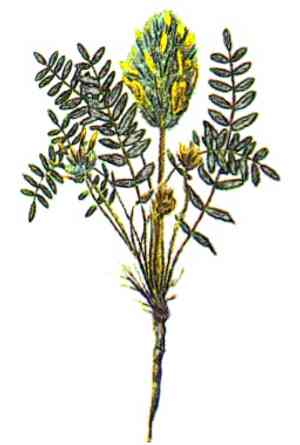
Astragalus andersonii, a species within the pea family, flourishes in arid, well-aerated substrates. To effectively propagate this plant, broadcast seeds directly into the earth or pots, making sure they undergo scarification to improve sprouting. Provide a moderate amount of sunlight and shield juvenile plants from overwatering to avert root decay. Applying mulch assists in preserving soil dampness, fostering robust development and successful establishment.
Optimal Time for Anderson's Milkvetch Propagation
Propagation Method
Seeding
Propagation Period
Spring
Tools for Anderson's Milkvetch Propagation
Seed Tray and Dome
A tray with a clear cover establishes a regulated environment, providing ideal humidity and warmth for anderson's milkvetch seed sprouting.
Soilless Seed Starting Mix
A sterile, light, and well-draining substrate that reduces disease risk, fostering strong seedling development for anderson's milkvetch.
Heating Mat
Maintains a steady soil temperature to boost germination rates and accelerate growth for anderson's milkvetch.
Misting Bottle
Delivers gentle hydration without dislodging seeds or compacting the soil, vital for the delicate seedling phase of anderson's milkvetch.
Grow Lights
Ensure anderson's milkvetch seedlings receive sufficient light, preventing etiolated growth and promoting robust, healthy plants.
Seedling Labels
Helps track various plantings and varieties of anderson's milkvetch, ensuring accurate identification and care schedules.
Transplanting Trowel
Assists in carefully moving anderson's milkvetch seedlings to their permanent spots while minimizing root disturbance and harm.
How to Propagate Anderson's Milkvetch?
Propagation Difficulty
Simple
Caring for Newly Propagated Anderson's Milkvetch
Caring for Newly Propagated Anderson's Milkvetch
After propagation, anderson's milkvetch needs well-draining soil and full sun to flourish. Water moderately, allowing the soil to dry between waterings to prevent root rot. Regularly inspect for pests and diseases, applying organic or chemical treatments as needed. Mulch around the base to retain moisture and regulate soil temperature. Prune dead or damaged branches to encourage vigorous growth. Fertilize sparingly with a balanced, slow-release fertilizer, as anderson's milkvetch is adapted to thrive in nutrient-poor soils.
Common Propagation Errors to Avoid with Anderson's Milkvetch
Overwatering
Excess moisture can lead to root rot and fungal infections, which are harmful to anderson's milkvetch's health.
Using non-draining soil
Poorly draining soil can cause water to accumulate around the plant's roots, leading to decay and stunted growth.
Inadequate light
Insufficient light can result in weak, elongated growth and can reduce the success rate of propagation.
Ignoring soil pH
Using soil with unsuitable pH levels can impact nutrient absorption and overall plant vitality.
Improper handling of seeds or cuttings
Rough handling of seeds or young plants can damage them, decreasing their chances of successful propagation.
Overcrowding
Planting too many seeds or cuttings close together can lead to competition for resources, hindering growth.
Tips for Propagating Anderson's Milkvetch
Well-draining soil
Ensure the soil allows excess water to drain away to prevent root rot. A mix containing sand or perlite works well.
Proper watering
Water the plant moderately, keeping the soil slightly moist but never waterlogged. Allow the top layer of soil to dry out between waterings.
Ample light
Provide bright, indirect light to promote healthy growth. If indoors, a location near a sunny window is ideal.
Correct soil pH
Maintain a slightly acidic to neutral soil pH (approximately 6.0 to 7.0) to ensure optimal nutrient uptake.
Gentle handling
Handle seeds and cuttings with care to avoid damaging delicate tissues. Use clean tools to prevent disease transmission.
Spacing
Plant seeds or cuttings with adequate space between them to ensure each plant gets enough light, air, and nutrients to thrive.



