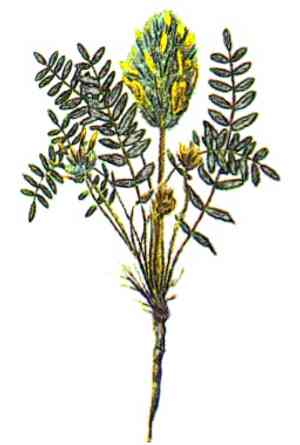
Anderson's milkvetch (Astragalus andersonii)
Also known as: Anderson's milkvetch
Anderson's milkvetch (Astragalus andersonii) is a hardy perennial herb adept at surviving in rocky and arid mountainous areas. Key features include:
1. **Resilient Structure**: It forms dense clusters of pinnately compound leaves, which help minimize water loss.
2. **Vibrant Blooms**: The plant produces striking yellow flowers in tight clusters, which bloom from late spring to early summer, aiding local pollinators.
3. **Deep Taproot**: This extensive root system allows it to tap into deep water reserves, essential for enduring drought conditions in its native habitat.
In This Article
Attributes of Anderson's milkvetch
Lifespan
Perennial
Plant Type
Herb
Plant Height
20-60 cm
Spread
Not applicable
Leaf Color
Green
Flower Size
0.5-1 cm
Flower Color
Purple to pink
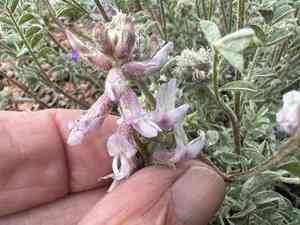
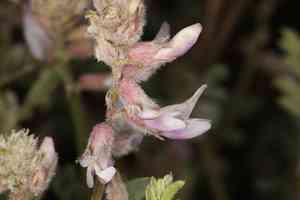
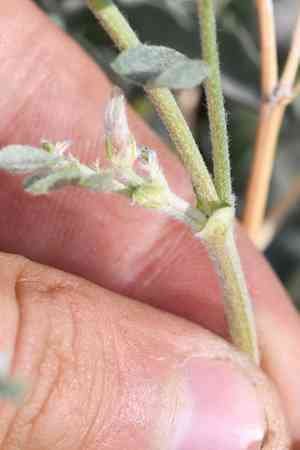
Images of Anderson's milkvetch
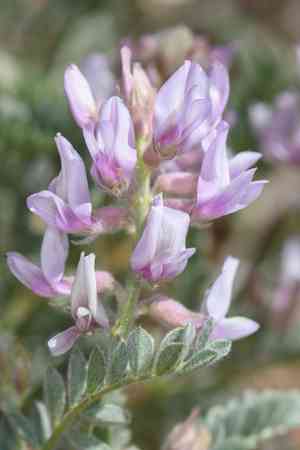
Quickly Identify Anderson's milkvetch
1
Identifying Astragalus andersonii can be done by looking for its distinct elongated, pinnate leaves and its characteristic purple to pink flowers which bloom in clusters. The plant typically has a hairy texture which can also aid in identification.
Scientific Classification of Anderson's milkvetch
Phylum
Vascular plants
Class
Dicotyledons
Order
Fabales
Family
Legume
Genus
Milkvetch
Species
Anderson's milkvetch
Planting and Growing of Anderson's milkvetch
Care Difficulty
Moderate
Watering Schedule
Every 2 days
Sunlight Requirements
Full sun
Sunshine Duration
4-8 hours
Ideal Temperature
50-68℉
Soil Type
Potting Mix, Peat Mix
Soil pH
6.5-7.5
Fertilizer Type
Balanced
Pruning Season
Spring, Summer
Pruning Area
Branches, Leaves
Pruning Frequency
2 times a year
Repotting Season
Spring
Pot Type
Plastic, Ceramic
 How to Water Anderson's milkvetch?
Astragalus andersonii requires about 200 ml of water per session. It's important to ensure that the soil remains moist but not waterlogged. Water until it starts to drain from the bottom of the pot, ensuring that it reaches the root zone effectively. This helps to mimic its natural environment, providing essential hydration without over-saturating the soil.
What are the symptoms of an underwatered Anderson's milkvetch?
›
What should I do if my Anderson's milkvetch is not getting enough water?
›
What are the symptoms of an overwatered Anderson's milkvetch?
›
How to save an overwatered Anderson's milkvetch?
›
 What Are the Sunlight Requirements for Anderson's milkvetch?
Astragalus andersonii flourishes in full sunlight conditions, requiring about six to eight hours of exposure. Ideal light fosters strong growth, vibrant foliage, and improved resilience.
What is the preferred light for Astragalus andersonii?
›
How can I ensure Astragalus andersonii gets enough light?
›
What benefits does full sun provide to Astragalus andersonii?
›
 What Is the Ideal Temperature Range for Anderson's milkvetch?
The ideal temperature range for Astragalus andersonii is between 50°F to 68°F, ensuring optimal growth and health. This temperature range mimics its natural habitat and provides the best conditions for photosynthesis, nutrient uptake, and overall plant vigor.
 What Soil is Best for Anderson's milkvetch?
Astragalus andersonii thrives in well-drained soil. This promotes healthy root development and prevents root rot, ensuring the plant's longevity and robust growth. The plant benefits significantly from nutrient-rich soil, which provides essential minerals that enhance its growth and vibrant flowering, offering maximum visual and ecological contributions. An aerated soil structure is critical for Astragalus andersonii, improving oxygen availability to roots and facilitating efficient nutrient and water uptake.
 How to Fertilize Anderson's milkvetch?
Astragalus andersonii needs careful fertilization to thrive. Monthly liquid fertilizer should be applied in a diluted form, approximately at half strength of a balanced, all-purpose formula. For slow-release fertilizers, a small handful is sufficient. Keep the dosage modest to prevent nutrient overload, which could harm the plant.
 How to Prune Anderson's milkvetch?
Start by removing any dead, damaged, or diseased branches to maintain plant health. Next, focus on shaping the plant by cutting back overgrown branches to enhance its natural form and ensure even sunlight distribution. In spring, focus on pruning new growth to encourage bushiness. Trim back about a third of the new shoots to promote a fuller and more vibrant growth pattern throughout the summer.
More About Pruning Techniques→
 How to Propagate Anderson's milkvetch plant?
1
Begin by soaking the seeds of Astragalus andersonii in water for 24 hours to help soften the seed coat. This will aid in faster germination.
2
After soaking, plant the seeds in a tray filled with a light seed-starting mix. Ensure the tray has adequate drainage to prevent waterlogging.
3
Once seedlings emerge, they require a warm environment and consistent moisture. Make sure they receive indirect sunlight to promote healthy growth.
 How to Repot Anderson's milkvetch plant?
1
Repot Astragalus andersonii when you see roots coming out of the drainage holes, or if the plant seems cramped and is not growing vigorously. Early signs include yellowing leaves or stunted growth, indicating the need for more space or fresh nutrients.
2
Select a pot that is just one size larger than the current one, with good drainage holes. A porous material like terra cotta is ideal, as it allows for air exchange and prevents root rot by ensuring excess moisture escapes easily.
3
Choose a well-draining, sandy soil mix to mimic the native habitats of Astragalus andersonii. This type of soil prevents waterlogging and promotes healthy root development, reducing the risk of fungal infections.
Toxicity
None
WARNING
The judgment on toxicity and danger is for reference only. We DO NOT GUARANTEE any accuracy of such judgment. Therefore, you SHALL NOT rely on such judgment. It is IMPORTANT TO SEEK PROFESSIONAL ADVICE in advance when necessary.
Learn More About Anderson's milkvetch Diseases
Anthracnose
Bacterial Leaf Spot
Bacterial Wilt
Crown Gall
Cyst Nematode
Damping-off
Downy Mildew
Drought Stress
Fusarium Wilt
Gray Mold
Leaf Curl
Leaf Spot
Mosaic
Nutrient Deficiency
Nutrient Toxicity
Powdery Mildew
Root Rot
Root-knot Nematode
Rusts
Sooty Mold
Spider Mites
Temperature Stress
Thrips Damage
White Mold



