How to Transplant Pyrenean aster?
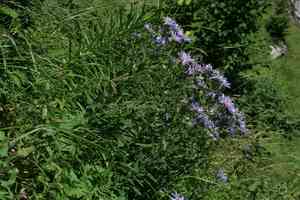
Pyrenean aster flourishes optimally when relocated in the mild period of early spring or amidst the consistent warmth of mid to late autumn. Select a brightly lit spot with soil that drains effectively for superior outcomes.
What Preparations are Needed Before Transplanting Pyrenean Aster?
What is the Ideal Time for Transplanting Pyrenean Aster?
The best periods for moving pyrenean aster are early spring and from mid to late autumn. These seasons offer mild temperatures and sufficient moisture, lessening the shock of relocation. Transplanting during these times promotes root development before harsh weather, ensuring stronger growth and a vibrant perennial presence in your garden.
How Much Space Should You Leave Between Pyrenean Aster Plants?
When relocating pyrenean aster, ensure each plant is spaced 12-18 inches (30-45 cm) apart. This spacing allows ample room for individual growth and development without resource competition.
What is the Best Soil Mix for Pyrenean Aster Transplanting?
For pyrenean aster, select well-draining soil enhanced with compost or a balanced base fertilizer. A loamy texture is most suitable, facilitating good root establishment. Preparing the soil this way guarantees a healthy start for your plants.
Where Should You Relocate Your Pyrenean Aster?
Position pyrenean aster in a spot that gets full sun, ideally about 6-8 hours of direct sunlight daily. This ensures your plants receive adequate light for optimal development and blooming.
What Equipments Should You Prepare Before Transplantation Pyrenean Aster?
Gardening Gloves
To shield your hands while handling soil and plants.
Shovel or Spade
For excavating holes and trenches.
Garden Trowel
Useful for more precise digging, especially in containers and trays.
Watering Can or Hose
To hydrate the plants before and after their relocation.
Wheelbarrow
Helpful for moving plants and soil.
Pruners
For trimming any damaged roots or foliage.
Mulch
To retain moisture and stabilize soil temperature around the newly moved plant.
Stakes and Garden Twine
To offer support for the plant if necessary.
How Do You Remove Pyrenean Aster from the Soil?
How Do You Remove Pyrenean Aster from the Soil?
From Ground: First, water the pyrenean aster plant to moisten the soil. Then, dig a wide trench around the plant using a shovel or spade, making sure the plant's root ball stays intact. Carefully work the spade beneath the root ball to lift the plant from its original spot. Gently shake off excess soil while keeping the root ball together.From Pot: Water the pyrenean aster plant to make the soil easier to manage. Turn the pot horizontally or upside down, supporting the main stem with one hand. Tap the base of the pot gently to release the root ball. Carefully untangle the roots if they appear to be root-bound, taking care not to harm them.From Seedling Tray: Water the seedlings to ensure the soil is damp. Use a garden trowel or spoon to gently lift each pyrenean aster seedling, ensuring you capture the root ball. Handle the seedlings by their leaves to avoid damaging the stem.
Step-by-Step Guide for Transplanting Pyrenean Aster
Prep the Site
Prepare a hole in the new location that is twice as wide and the same depth as the pyrenean aster's root ball.
Lifting the Plant
Carefully lift the pyrenean aster from its original location using the appropriate method from above (ground, pot, or seedling tray). Handle the root ball gently to avoid damage.
Placing the Plant
Place the pyrenean aster in the center of the prepared hole. Ensure the top of the root ball is level with the surrounding soil surface.
Backfilling
Fill the hole with soil, gently pressing it down to remove any air pockets. Be careful not to compact the soil too much, which can restrict root growth.
Watering
Water the pyrenean aster thoroughly to help settle the soil around the roots. Ensure the water reaches the whole root zone.
Mulching
Apply a layer of mulch around the base of the pyrenean aster, keeping it a few inches away from the stem to avoid rot. This helps retain moisture and regulate soil temperature.
Support
If needed, provide support by staking the pyrenean aster and tying it with garden twine to keep it upright and stable.
How Do You Care For Pyrenean Aster After Transplanting?
Watering
Keep the soil around the pyrenean aster consistently moist, but not soggy, for the first few weeks after transplanting to help establish strong roots.
Mulching
Inspect the mulch regularly and ensure it remains a few inches away from the stem to avoid rotting issues.
Pruning
Remove any damaged or wilted leaves and stems to reduce stress on the pyrenean aster and encourage new growth.
Monitoring
Check the pyrenean aster daily for signs of transplant shock, such as wilting or discoloration, and adjust care accordingly. Be patient as the plant establishes itself in the new location.
Troubleshooting Common Issues with Pyrenean Aster Transplantation.
When is the best time to transplant pyrenean aster?
The ideal times to transplant pyrenean aster are early spring and from mid to late fall.
What spacing should I use when transplanting pyrenean aster?
Make sure to space pyrenean aster about 12-18 inches (30-45 cm) apart for optimal growth.
How deep should I plant pyrenean aster?
Transplant pyrenean aster at the same depth it was growing in its original environment.
How to prepare the soil for transplanting pyrenean aster?
Ensure the soil is well-drained and rich in organic matter by adding compost or aged manure.
Should I water pyrenean aster immediately after transplanting?
Yes, water pyrenean aster thoroughly immediately after transplanting to help settle the soil around the roots.
How can I reduce transplant shock for pyrenean aster?
Water the plant well before transplanting and avoid disturbing the roots too much.
What sunlight conditions does pyrenean aster prefer after transplanting?
Ensure pyrenean aster receives full sun to partial shade post-transplant for healthy growth.
What to do if pyrenean aster shows signs of stress after transplanting?
Provide extra water and some shade for a few days until it recovers.
Should I mulch around the newly transplanted pyrenean aster?
Yes, apply a 2-3 inch (5-7.5 cm) layer of mulch to conserve moisture and regulate temperature.
How long does it take for pyrenean aster to establish after transplanting?
Typically, pyrenean aster takes a few weeks to a couple of months to establish well in its new location.



