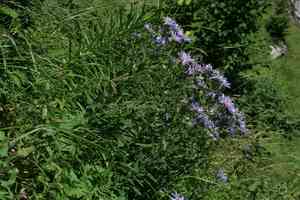
Pyrenean aster (Aster pyrenaeus)
Also known as: Pyrenean Aster, Pyrenean Daisy
The Pyrenean aster (Aster pyrenaeus) is a resilient alpine perennial that flourishes in the high-altitude regions of the Pyrenees. It showcases striking violet-blue flowers with yellow centers, typically blooming from July to September. The plant has lanceolate, toothed green leaves and forms clumps, which help it endure the harsh, windy conditions of its native environment. This hardy species thrives in well-drained, calcareous soils and can tolerate cold temperatures and nutrient-poor conditions.
In This Article
Attributes of Pyrenean aster
Lifespan
Perennial
Plant Type
Herb
Plant Height
30 to 60 cm (12 to 24 inches)
Spread
Up to 45 cm (18 inches)
Leaf Color
Green
Flower Size
2.5 to 4 cm (1 to 1.5 inches)
Flower Color
Light blue to lavender
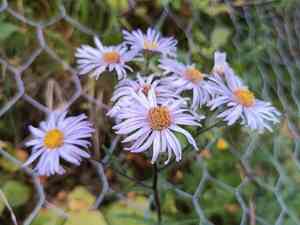
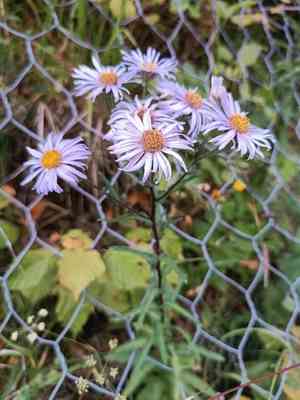
Images of Pyrenean aster
Quickly Identify Pyrenean aster
1
To identify Aster pyrenaeus, look for its lance-shaped, toothed leaves and dense clusters of daisy-like flowers with light blue to lavender petals and a yellow center. It typically blooms in the late summer to fall.
Scientific Classification of Pyrenean aster
Phylum
Vascular plants
Class
Dicotyledons
Order
Asterales
Family
Daisy
Genus
Asters
Species
Pyrenean aster
Planting and Growing of Pyrenean aster
Care Difficulty
Easy
Watering Schedule
Every 4 days
Sunlight Requirements
Full sun
Sunshine Duration
4-8 hours
Ideal Temperature
60-75℉
Soil Type
Potting Mix, Peat Mix
Soil pH
6.5-7.5
Fertilizer Type
Balanced
Pruning Season
Spring, Summer
Pruning Area
Branches, Leaves
Pruning Frequency
2 times a year
Repotting Season
Spring
Pot Type
Terracotta, Plastic
 How to Water Pyrenean aster?
When watering Aster pyrenaeus, aim to thoroughly moisten the soil without causing it to become waterlogged. The soil should feel damp to touch but not overly saturated, allowing excess water to drain away. This ensures that the roots are well-hydrated while preventing root rot caused by stagnant water around the plant’s roots.
What are the symptoms of an underwatered Pyrenean aster?
›
What should I do if my Pyrenean aster is not getting enough water?
›
What are the symptoms of an overwatered Pyrenean aster?
›
How to save an overwatered Pyrenean aster?
›
 What Are the Sunlight Requirements for Pyrenean aster?
Aster pyrenaeus benefits from full sun exposure, maximizing its potential in growth and blooming. Such conditions foster a more vibrant and densely flowering plant.
What is the best light condition for Aster pyrenaeus?
›
How can you achieve ideal light conditions for Aster pyrenaeus?
›
What are the benefits if Aster pyrenaeus gets ideal light?
›
 What Is the Ideal Temperature Range for Pyrenean aster?
The ideal temperature range for growing Aster pyrenaeus is between 60°F and 75°F. This temperature range ensures optimal growth and flowering by providing stable conditions that this plant species thrives in. Maintaining consistent temperature within this range prevents stress and encourages healthy development.
 What Soil is Best for Pyrenean aster?
Aster pyrenaeus thrives in well-draining soil which prevents root rot by allowing excess water to flow away efficiently. This kind of soil fosters healthier root growth, helping the plant absorb nutrients better. The soil should maintain moisture without becoming waterlogged, as this balance ensures the plant's roots have access to necessary water while preventing decay from excessive water. A fertile soil, rich in essential nutrients and organic matter, supports robust growth and bright blossoms by providing the plant with the vital elements it needs.
 How to Fertilize Pyrenean aster?
When it comes to fertilizing Aster pyrenaeus, it's important to use a balanced fertilizer. For liquid fertilizer, use one that has equal ratios of nitrogen, phosphorus, and potassium with a concentration of about 10-10-10. Apply about half a teaspoon of liquid fertilizer diluted in a gallon of water per plant. For slow-release fertilizer, about a tablespoon per square foot should suffice. This ensures your plants receive enough nutrients without overwhelming their root systems.
 How to Prune Pyrenean aster?
Begin by inspecting the plant for any dead or damaged stems. Remove these by cutting back to healthy growth or to a bud. This helps prevent disease and encourages new growth. Cut back leggy growth to enhance the plant’s shape. Trim back stems to just above a leaf node, which encourages branching and results in a fuller, more aesthetically pleasing plant. Pinching off spent flowers regularly encourages additional blooms and extends the flowering period. Make sure to pinch just below the flower head to promote further growth cycles.
More About Pruning Techniques→
 How to Propagate Pyrenean aster plant?
1
Prepare a well-draining soil mix with a good balance of organic matter. Ensuring proper pH and nutrients supports young seedlings' growth and reduces the risk of root rot.
2
Sow seeds evenly in seed trays, covering lightly with soil. Water gently and keep trays in a warm, bright area. Maintaining consistent humidity is key for germination.
3
Carefully dig up the mature plant, separate root sections with buds using a sharp knife or spade, and replant immediately. Water thoroughly to help the divisions establish.
 How to Repot Pyrenean aster plant?
1
You should consider repotting Aster pyrenaeus when you notice that its roots are protruding from the drainage holes, or when its growth appears stunted despite optimal care conditions. Spring is the ideal time as the plant is entering its active growing season, ensuring minimal shock and a swift recovery post-repotting.
2
Select a pot that is one size larger than the current one, with adequate drainage holes. A clay or terracotta pot is preferred for its breathability, helping excess moisture to evaporate and preventing root rot. The added weight of these materials also provides stability against strong winds.
3
Opt for a well-draining, nutrient-rich soil, like a mix of loam, sand, and organic matter. This composition not only offers excellent drainage but also helps to retain sufficient nutrients and moisture, promoting healthy growth and vibrant blooms for your Aster pyrenaeus.



