How to Prune Pyrenean aster?
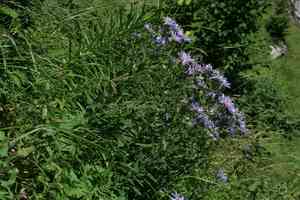
A perennial admired for its daisy-like blossoms, pyrenean aster flourishes with consistent trimming to stimulate robust development and extended blooming. The most effective periods for pruning are during spring and summer, immediately following the initial flowering to foster a strong subsequent bloom. Pruning entails removing faded flowers and excising any frail or lifeless stalks. This preserves the plant's dense form and boosts its visual attractiveness, guaranteeing a more vibrant pyrenean aster with an elongated flowering season.
Advantages of Trimming Pyrenean Aster
Advantages of Trimming Pyrenean Aster
Trimming pyrenean aster promotes robust development and maintains its desired form. This practice fosters healthier, denser foliage and enhances the plant's overall structure, leading to more vigorous growth and an attractive appearance.
Optimal Period for Trimming Pyrenean Aster
Optimal Period for Trimming Pyrenean Aster
Trimming pyrenean aster during Spring and Summer is ideal due to its growth and flowering cycles. In Spring, pruning aids in stimulating new growth and improves plant health by removing old or dead stems, ensuring energy is directed towards the vibrant development of new shoots and leaves. Summer pruning, especially after the initial bloom, is vital for pyrenean aster as it encourages a second flowering cycle, preserving the plant's aesthetic appeal and vitality throughout the growing season. These periods also mitigate the risk of cold winter damage, ensuring the plant remains strong and healthy.
Tools Required for Trimming Pyrenean Aster
Hand Pruners
Perfect for making clean, precise cuts on the delicate stems of pyrenean aster, minimizing plant damage.
Floral Snips
Excellent for removing spent flowers from pyrenean aster. The slender, sharp blades allow for accurate snips, promoting healthier growth and bloom production.
How to Trim Pyrenean Aster
Sanitize tools
Before beginning, ensure all trimming tools are clean and sharp. This prevents disease spread and guarantees clean cuts, which are healthier for pyrenean aster.
Identify sections
Carefully examine pyrenean aster to pinpoint and locate diseased leaves, withered leaves, and diseased stems. These are your primary targets for trimming.
Remove diseased leaves
Using your trimming tools, carefully remove all diseased leaves from pyrenean aster. Make cuts at the base of each leaf's stem to ensure complete removal without harming healthy parts.
Remove withered leaves
After removing diseased leaves, proceed to trim all withered leaves. These are typically older, dry, or brown leaves that may be draining energy from pyrenean aster. Removing these helps redirect energy to healthier growth.
Cut diseased stems
Finally, trim any diseased stems by cutting them back to the point of healthy tissue. Ensure cuts are clean and angled away from remaining stems to promote proper water runoff and prevent water-related ailments.
Common Trimming Errors with Pyrenean Aster
Excessive trimming
Cutting too much from pyrenean aster can weaken the plant, impacting its ability to bloom profusely. There's a tendency, especially among new gardeners, to trim too aggressively, potentially leading to sparse flowering and growth.
Incorrect cuts
Making cuts too close to main stems or too far from the bud can impede proper healing and regrowth. This can lead to disease entry and poor plant health. Ensuring cuts are made at the correct position is vital.
Uniform shaping
Trimming pyrenean aster into a uniform shape or size without considering its natural form can hinder its potential for an optimal display of natural beauty and health. The plant thrives when allowed to maintain a more organic, uneven shape.
General Trimming Advice for Pyrenean Aster
Selective thinning
Remove only the oldest and most overgrown stems to revitalize growth and flowering. Pyrenean aster benefits from periodic thinning that allows light and air to penetrate the plant, which is crucial for maintaining health and vigor.
Post-bloom trimming
Trim immediately after blooming to encourage pyrenean aster to prepare for the next flowering season efficiently. This helps prevent the plant from expending energy on seed production.
Use of sharp tools
Always use clean, sharp trimming tools to make precise cuts. This reduces damage to plant tissues, ensuring quick recovery and minimizing disease risk.



