How to Transplant Mare's tail fern?
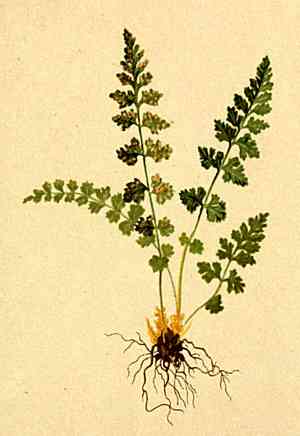
The optimal period for relocating mare's tail fern extends from the beginning of spring through early summer, facilitating strong root development. Preferred locations should replicate their native, shaded environments. During the transfer process, careful handling and sustained hydration are crucial for successful integration.
Preparations Required Before Relocating Mare's Tail Fern?
Optimal Timing for Mare's Tail Fern Relocation?
The best time to move mare's tail fern is from late spring to early summer, often called 'the peak growth period.' This timing coincides with mare's tail fern's active development, promoting better root establishment and less transplant shock. Utilize this season to benefit from the warm, yet mild weather, which aids quick recovery and strong growth in mare's tail fern. Shifting mare's tail fern during this preferred phase increases its chances of flourishing, as soil temperatures are ideal for root growth. It's about giving mare's tail fern a fresh start when it's most receptive!
Recommended Spacing Between Mare's Tail Fern Plants?
When relocating your mare's tail fern, aim for an optimal distance of approximately 6-12 inches (15-30 cm) between plants. This provides each fern with sufficient room to thrive without crowding its neighbors!
Ideal Soil Mixture for Mare's Tail Fern Relocation?
For your mare's tail fern, a well-draining soil rich in organic matter will create an ideal environment! Incorporate some compost or a balanced, slow-release fertilizer to provide a nourishing beginning. The pH should ideally be slightly acidic to neutral.
Where to Replant Your Mare's Tail Fern?
Choose a location for your mare's tail fern where it can receive dappled sunlight or light shade. Excessive direct sun can be harsh, so seek a sheltered spot that mimics its natural, forest-floor habitat!
Equipment Needed Before Relocating Mare's Tail Fern?
Gardening Gloves
To safeguard your hands while handling soil and the plant.
Shovel or Spade
For carefully excavating the plant without harming its roots.
Trowel
To refine the planting hole or add soil around the roots post-relocation.
Watering Can or Hose
To hydrate the plant before and after removal and replanting.
Pruning Shears
To trim any dead or damaged fronds.
Wheelbarrow or Plant Dolly
To move the plant if it is large.
Ruler or Measuring Tape
To determine the depth and width of the new planting site.
Organic Mulch
To help maintain soil moisture and regulate soil temperature after replanting.
How to Extract Mare's Tail Fern from the Soil?
How to Extract Mare's Tail Fern from the Soil?
From Ground: First, water the mare's tail fern to moisten the soil. Gently dig a wide circle around the plant, leaving ample space for the root ball. Carefully lift the root ball with your shovel or spade, avoiding root damage.From Pot: Water the mare's tail fern in its container. Lightly tap and roll the pot to loosen the soil. Grasp the plant's base and tilt the pot sideways, gently easing the plant and root ball out without forceful pulling.From Seedling Tray: Dampen the soil in the tray to simplify the process. Use a trowel or your fingers to carefully lift the seedling by the base of its fronds, taking care not to harm the roots.
Step-by-Step Guide for Relocating Mare's Tail Fern
Plant Health Assessment
Examine the mare's tail fern for any indications of disease or stress. Remove any dead or unhealthy fronds using your pruning shears.
Excavating the Hole
Dig a hole in your chosen spot, ensuring it's twice as wide and the same depth as the root ball. Use your ruler or measuring tape to verify the dimensions.
Positioning the Plant
Carefully place the mare's tail fern's root ball into the hole. The top of the root ball should be level with the surrounding ground to allow for proper root expansion.
Replanting Process
Backfill the hole with the excavated soil, gently firming it around the roots to eliminate air pockets. Water the area thoroughly to help the soil settle around the roots and hydrate the plant.
Applying Mulch
Add a layer of organic mulch around the base of the mare's tail fern, avoiding direct contact with the fronds to prevent rot and further aid moisture retention.
Post-Relocation Care for Mare's Tail Fern?
Immediate Hydration
Right after relocating, thoroughly water mare's tail fern to help the soil settle and moisten the roots, ensuring no standing water remains.
Consistent Observation
Regularly check the soil's moisture level and the fronds for signs of stress or disease, especially during the initial weeks after relocation.
Pruning Maintenance
Trim away any fronds that become damaged or diseased post-relocation to encourage healthy new growth.
Mulch Upkeep
Maintain the mulch layer to ensure consistent moisture. Replenish mulch as needed, keeping it clear of the plant's base.
Troubleshooting Common Issues with Mare's Tail Fern Relocation.
Why is my mare's tail fern struggling after relocation?
Ensure you're relocating during the optimal period, the warmer months between late spring and early summer. Also, check for adequate soil moisture and absence of root damage.
What's the recommended spacing between relocated mare's tail fern?
To give mare's tail fern ample room to grow, space them 6-12 inches (15-30 cm) apart.
How deep should I plant mare's tail fern during relocation?
The root ball of mare's tail fern should be planted at the same level it was growing before. Not too deep nor too shallow.
Do I need to water mare's tail fern immediately after relocating?
Yes, give mare's tail fern a good watering right after relocating to help settle the soil and eliminate air pockets.
Should I fertilize mare's tail fern after relocating?
Wait a few weeks before fertilizing to allow mare's tail fern to establish in its new location without stressing the roots.
My mare's tail fern appears wilted post-relocation, what should I do?
Wilted mare's tail fern may need more water, especially in the first few weeks after relocating, to help them recover.
How can I protect mare's tail fern from relocation shock?
Minimize root disturbance during relocation and keep the roots moist. Also, relocate on an overcast day to reduce stress.
Is there a proper method to remove mare's tail fern for relocation?
Yes, gently dig around the plant to loosen the soil and carefully lift the plant with ample soil around the roots.
How do I select a new spot for relocating mare's tail fern?
Choose a spot with similar light conditions and well-drained soil to the original spot to help mare's tail fern adapt quicker.
What are the indicators of successful mare's tail fern relocation?
A successful relocation is typically marked by new growth, such as unfurling fronds and a stable, upright position.



