How to Prune Mare's tail fern?
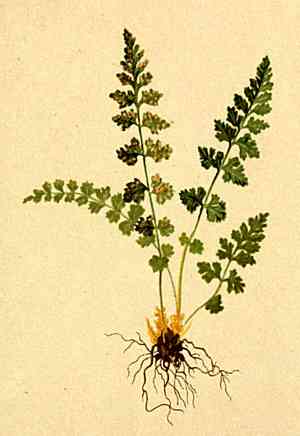
A fern featuring slender fronds, mare's tail fern flourishes with infrequent trimming, primarily for the removal of deceased or impaired fronds. The optimal periods for pruning are during spring, summer, or autumn, to preserve its visual appeal and stimulate robust development. Trimming ought to be executed with care, severing close to the plant's foundation without harming its central growth point. Consistent pruning deters ailments and infestations while fostering a neat look. Pruning is not merely beneficial for the plant's well-being but also accentuates the beauty of its intricate fronds.
What Are the Benefits of Pruning Mare's Tail Fern?
What Are the Benefits of Pruning Mare's Tail Fern?
Trimming mare's tail fern promotes robust development and helps preserve its desired form, ensuring a compact, visually appealing look while enhancing the plant's overall well-being.
What Is the Best Time for Pruning Mare's Tail Fern?
What Is the Best Time for Pruning Mare's Tail Fern?
The optimal times for trimming mare's tail fern are Spring and Fall, as these periods coincide with the start and end of the plant's active growth cycle. Pruning in Spring encourages healthy new growth as the plant emerges from its dormant winter phase. This is an ideal moment to remove any dead or damaged fronds, allowing energy to be directed towards producing new, vibrant growth. Fall pruning is beneficial for shaping mare's tail fern and removing old growth that might not survive the upcoming winter, improving the plant's overall health and appearance. Summer is not considered the best pruning time for mare's tail fern, despite being part of its growth cycle, because this period typically involves high temperatures that can stress the plant, making it more susceptible to damage from pruning. Pruning during the growth periods allows mare's tail fern to recover quickly and thrive, while avoiding harsh weather conditions that hinder the plant's recovery.
What Tools Do I Need to Prune Mare's Tail Fern?
Sharp, precision scissors or snips
These are crucial for making clean cuts without harming the delicate fronds of mare's tail fern. Accurate cutting prevents the risk of tearing that can occur with dull or unsuitable tools, which could lead to potential disease problems.
Small handheld pruner or micro-tip pruning shears
These offer precision and ease of use when trimming small or hard-to-reach areas of mare's tail fern. Their compact size ensures minimal disruption to surrounding foliage.
Sterilizing agent (such as rubbing alcohol or bleach solution)
Using sanitized tools prevents the spread of diseases among plants. It is essential to sterilize pruning tools before and after use to maintain the health of mare's tail fern.
How to Prune Mare's Tail Fern
Sanitation
Disinfect your pruning tools using rubbing alcohol or a 10% bleach solution to prevent the spread of diseases when trimming mare's tail fern.
Removal Diseased Leaves
Carefully remove any diseased leaves from mare's tail fern by cutting at the base of the leaf stalk, using sharp and clean scissors, to prevent infection of healthy parts.
Removal Withered Leaves
Trim back withered or yellowing leaves at their base to encourage new growth in mare's tail fern, ensuring you do not damage the central rosette.
Removal Dead Branches
Cut back any dead branches on mare's tail fern by following the branch down to the base and making a clean cut without harming the main rhizome or stalking from which fronds emerge.
Removal Diseased Branches
Identify and prune diseased branches on mare's tail fern similarly to dead branches, ensuring to remove them entirely to prevent further spread of disease.
Common Pruning Mistakes with Mare's Tail Fern
Overpruning
Removing too many fronds from mare's tail fern can stress the plant and lead to reduced vitality. Gardeners should avoid cutting back more than needed to maintain the plant's shape and remove damaged fronds.
Cutting healthy fronds
It is a mistake to prune healthy, green fronds as mare's tail fern uses them for photosynthesis and growth. Only old, brown, or damaged fronds should be removed.
Improper tool use
Using dull or dirty tools can cause damage to mare's tail fern's fronds, leading to frayed edges or disease introduction. Always use sharp, clean pruning shears.
Pruning tip growth
Cutting the tips of young fronds can hinder mare's tail fern's growth and should be avoided unless the frond is diseased or damaged.
Ignoring dead fronds
Failing to remove dead or dying fronds can attract pests and may lead to fungal diseases, negatively affecting mare's tail fern's health.
Common Pruning Tips for Mare's Tail Fern
Clean equipment
Before pruning mare's tail fern, sterilize the pruning tools with alcohol or a bleach solution to prevent disease spread.
Prune damaged fronds
Carefully cut away any brown, dead, or damaged fronds at the base where they meet the central rosette to promote better air circulation and plant health.
Shape maintenance
While shaping mare's tail fern, prune with restraint to maintain the plant's natural form, removing only what is necessary for size control or to eliminate unsightly portions.
Gentle handling
Fronds should be handled gently during pruning to avoid unintentional damage to mare's tail fern's adjacent healthy fronds.
Post-prune care
After pruning mare's tail fern, ensure proper care by maintaining adequate moisture levels and providing a suitable environment for recovery.



