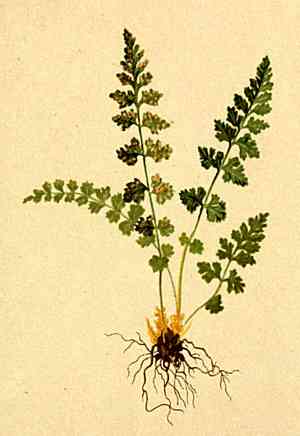
Mare's tail fern (Asplenium polyodon)
Also known as: Spleenwort, Austral Spleenwort
The mare's tail fern, or Equisetum arvense, stands out in its genus due to its segmented, hollow stems and absence of true leaves, features not seen in its relatives. Unlike others, it hasn't been observed to hybridize within its clade. Its jointed stems are adorned with whorls of small, scale-like leaves that fuse into nodal sheaths. The plant's brush-like appearance, reminiscent of a horse's tail, and its spore-based reproduction further distinguish it from other ferns.
In This Article
Attributes of Mare's tail fern
Lifespan
Perennial
Plant Type
Herb
Plant Height
80 cm to 90 cm
Spread
1.2 m
Leaf Color
Green
Flower Size
N/A
Flower Color
N/A
Images of Mare's tail fern
Quickly Identify Mare's tail fern
1
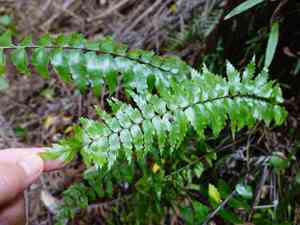
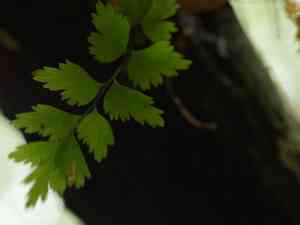
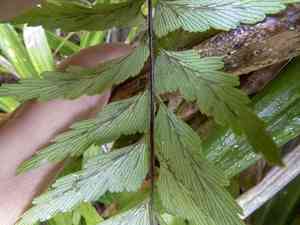
Asplenium polyodon can be identified by its long, arching fronds that are divided into several leaflets. The leaflets are often serrated, with a glossy green appearance. Look for dark brown to black sori (spore-producing structures) on the underside of the leaflets.
Scientific Classification of Mare's tail fern
Phylum
Vascular plants
Class
Ferns
Order
Polypodiales
Family
Spleenwort
Genus
Spleenworts
Species
Mare's tail fern
Planting and Growing of Mare's tail fern
Care Difficulty
Easy
Watering Schedule
Every 3 days
Sunlight Requirements
Partial sun
Sunshine Duration
4-8 hours
Ideal Temperature
65-75℉
Soil Type
Potting Mix, Peat Mix
Soil pH
6.5-7.5
Fertilizer Type
Balanced
Pruning Season
Spring, Summer
Pruning Area
Branches, Leaves
Pruning Frequency
2 times a year
Repotting Season
Spring
Pot Type
Plastic, Ceramic
 How to Water Mare's tail fern?
Asplenium polyodon should be watered with about 250 milliliters each time, ensuring that the soil is kept moist but not soggy. This plant thrives in a consistently humid environment, so it's important to water it thoroughly until the excess starts to drain out, allowing the soil to be evenly moist.
What are the symptoms of an underwatered Mare's tail fern?
›
What should I do if my Mare's tail fern is not getting enough water?
›
What are the symptoms of an overwatered Mare's tail fern?
›
How to save an overwatered Mare's tail fern?
›
 What Are the Sunlight Requirements for Mare's tail fern?
Partial sun ensures Asplenium polyodon maintains vibrantly green fronds, promoting robust growth and preventing light-related stress. It's essential for sustaining its lush appearance.
Optimal Placement
›
Balancing Shade
›
Seasonal Adjustments
›
 What Is the Ideal Temperature Range for Mare's tail fern?
Asplenium polyodon thrives best in a stable temperature range between 65°F and 75°F. This range helps ensure optimal growth and vitality, allowing the plant to maintain its vibrant foliage and robust health. It is advised to maintain a consistent temperature within this range to avoid stressing the plant.
 What Soil is Best for Mare's tail fern?
Asplenium polyodon thrives in nutrient-rich soil. This requirement helps ensure lush and vibrant growth, enhancing the overall appearance and health of the plant. This plant requires well-draining soil to prevent root rot. Adequate drainage ensures that the roots remain healthy, allowing the plant to absorb essential nutrients and remain robust. While drainage is crucial, the soil should also retain some moisture to keep the plant hydrated. Moisture retention aids in steady growth and prevents stress on the plant.
 How to Fertilize Mare's tail fern?
For Asplenium polyodon, it’s crucial to avoid over-fertilization due to its delicate nature. Typically, a half-strength liquid fertilizer is recommended once every two weeks during the growing season. Opt for a balanced, water-soluble fertilizer and mix it at half the suggested dose on the package to avoid burning the roots.
 How to Prune Mare's tail fern?
Always use clean, sharp scissors or pruning shears to ensure a clean cut. This reduces damage to the plant and minimizes the risk of transferring diseases. Sterilize your tools with alcohol before and after pruning. Start by examining the fern for any discolored or damaged leaves. Trim these leaves at the base, close to the crown of the plant, to prevent disease. Make sure to prune during daylight to help the plant recover efficiently. Avoid cutting too many fronds at once as it can stress the plant.
More About Pruning Techniques→
 How to Propagate Mare's tail fern plant?
1
Start by examining the plant for healthy, robust clumps that can be divided. Ensure each clump has an adequate root system and foliage to sustain itself after division.
2
Before dividing the plant, prepare suitable new planting sites or pots with well-draining soil. This helps reduce the stress on divided plants by immediately providing an appropriate environment.
3
Using a sharp knife, carefully divide the clumps, ensuring each section has ample roots and fronds. Minimize root disturbance to enhance recovery and establishment in new locations.
 How to Repot Mare's tail fern plant?
1
Asplenium polyodon shows signs of needing a new pot when its roots begin to emerge from the drainage holes or when growth becomes stunted. Another signal is the rapid drying out of soil between waterings, indicating the plant is bound for a larger pot to accommodate its expanding root system.
2
Selecting the right pot is crucial; aim for one that is just an inch larger in diameter than the current container. A pot too large can lead to excess moisture retention, while a snug fit ensures proper drainage and sufficient space for new root growth without causing waterlogging.
3
Opt for a high-quality, rich, and well-draining potting mix. This type of soil ensures that Asplenium polyodon receives adequate nutrients while preventing water from stagnating around its roots, thus reducing the risk of root rot and promoting healthy growth.



