How to Transplant Lobed spleenwort?
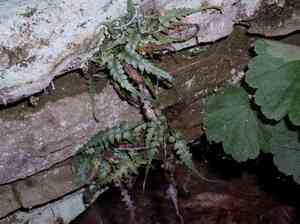
Lobed spleenwort flourishes optimally when relocated from the beginning to the end of spring or throughout the initial part of winter. It favors dim, adequately drained spots with fertile, damp earth. Guarantee sufficient moisture and refrain from disrupting the fragile root structure when required.
What Preparations are Needed Before Transplanting Lobed Spleenwort?
What is the Ideal Time for Transplanting Lobed Spleenwort?
Lobed spleenwort, a perennial plant, flourishes when moved from early spring to late spring or early winter. These periods offer cool, mild temperatures and optimal soil moisture, which minimize transplant shock and encourage strong root development. Relocating during these times ensures healthy growth and resilience against stressors, establishing a solid foundation for its perennial life cycle.
How Much Space Should You Leave Between Lobed Spleenwort Plants?
Before relocating lobed spleenwort, ensure a spacing of 12-18 inches (30-45 cm) between them. This distance will provide each plant ample room to grow and thrive, preventing overcrowding and promoting healthy development.
What is the Best Soil Mix for Lobed Spleenwort Transplanting?
Prepare the soil for lobed spleenwort by selecting a well-draining, slightly acidic medium. Enrich it with compost or a balanced, slow-release fertilizer to supply essential nutrients. This will create an optimal environment for root establishment and growth.
Where Should You Relocate Your Lobed Spleenwort?
Choose a site for lobed spleenwort that receives partial to full shade, as direct sunlight may be too intense. An area with filtered light, such as beneath a tree canopy, would be perfect for this plant, mimicking its natural habitat and fostering healthy growth.
What Equipments Should You Prepare Before Transplantation Lobed Spleenwort?
Gardening Gloves
To safeguard your hands while handling soil and the plant.
Shovel or Spade
For digging around and lifting the plant from its original spot.
Trowel
Used for more precise work near the root ball.
Watering Can
To hydrate the soil and the plant before and after relocation.
Pruning Shears
For trimming any damaged roots or leaves.
Garden Fork
To gently loosen compacted soil.
Bucket or Container
To temporarily hold the plant if moving a short distance.
How Do You Remove Lobed Spleenwort from the Soil?
How Do You Remove Lobed Spleenwort from the Soil?
From Ground: First, moisten the lobed spleenwort plant to dampen the soil. Then, excavate a wide trench around the plant using a shovel or spade, ensuring the plant's root ball remains intact. Carefully work the spade beneath the root ball to lift the plant from its initial location.From Pot: Thoroughly water the lobed spleenwort plant. Tilt the pot slightly and gently tap its sides to loosen the soil. Carefully slide the plant out, supporting the root ball with your hands. If the plant doesn't easily slide out, use a trowel around the edges to help release it.From Seedling Tray: Ensure the soil in the seedling tray is damp. Gently push up from the bottom of the tray cell. If needed, use a tool like a pencil to ease the plant out, being careful not to harm the roots.
Step-by-Step Guide for Transplanting Lobed Spleenwort
Prepare the New Site
Select an appropriate location with the correct conditions for lobed spleenwort to flourish. Clear any weeds or debris, and work the soil to ensure it's loose and aerated.
Dig the Hole
Excavate a hole that's slightly larger and deeper than the root ball of the lobed spleenwort plant. This ensures the roots have ample space to expand and grow.
Amend the Soil
Incorporate any necessary soil amendments or compost into the excavated soil to enhance nutrient content and drainage.
Place the Plant
Lower the lobed spleenwort plant into the hole, ensuring it sits at the same depth as it did in its original spot. Backfill with soil around the root ball, gently pressing down to eliminate air pockets.
Water Well
Thoroughly water the newly relocated lobed spleenwort to help settle the soil and establish contact between roots and soil.
How Do You Care For Lobed Spleenwort After Transplanting?
Watering
Keep the soil around the lobed spleenwort consistently moist, but not waterlogged, for the initial few weeks after transplanting to aid in developing strong roots.
Mulching
Apply a layer of mulch around the base of the lobed spleenwort to help retain moisture and suppress weeds.
Pruning
Trim any damaged or broken leaves to reduce stress on the lobed spleenwort and encourage healthy growth.
Monitoring
Regularly inspect the lobed spleenwort for signs of stress, such as wilting or yellowing foliage, and adjust care as needed to ensure the plant establishes well in its new location.
Troubleshooting Common Issues with Lobed Spleenwort Transplantation.
When is the best time to transplant lobed spleenwort?
The optimal time to relocate lobed spleenwort is from early spring to late spring, or early winter.
What soil type is ideal for transplanting lobed spleenwort?
A well-draining, slightly acidic to neutral soil is perfect for relocating lobed spleenwort.
How much spacing should I provide when transplanting lobed spleenwort?
Space lobed spleenwort approximately 12-18 inches (30-45 cm) apart to allow proper growth and air circulation.
How do I prepare lobed spleenwort for transplanting?
Water the plant thoroughly a day before transplanting to ease transplant shock and facilitate root movement.
How deep should I plant lobed spleenwort when transplanting?
Plant lobed spleenwort at the same depth it was growing previously to avoid root stress.
Should I fertilize lobed spleenwort immediately after transplanting?
Avoid fertilizing lobed spleenwort right after transplanting; wait about 4-6 weeks before applying fertilizer.
How do I water lobed spleenwort after transplanting?
Keep the soil consistently moist but not saturated for the first few weeks after relocating lobed spleenwort.
How can I protect lobed spleenwort from transplant shock?
Relocate lobed spleenwort during cooler parts of the day and provide initial shade to minimize transplant shock.
Can I transplant lobed spleenwort in containers?
Yes, lobed spleenwort can be relocated into containers with good drainage and adequate spacing for growth.
What common pests should I watch for when transplanting lobed spleenwort?
Watch for slugs, snails, and aphids when relocating lobed spleenwort, and treat promptly if detected.



