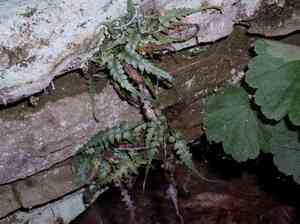
Lobed spleenwort (Asplenium pinnatifidum)
Also known as: Shredded Spleenwort
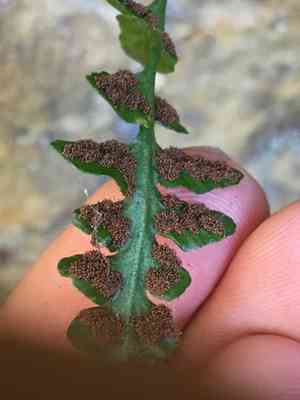
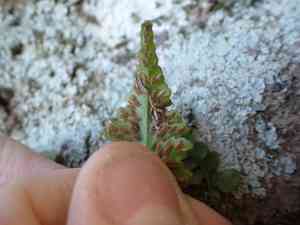
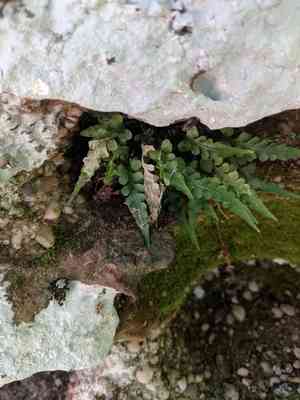
Asplenium pinnatifidum, or the pinnatifid spleenwort, is a diminutive fern characterized by its vibrant green, lobed fronds. These fronds, which form perennial and evergreen clusters, have a leathery texture and a distinctive wrinkled appearance. A key feature is its stem, which is shiny and dark at the base, transitioning to a lighter color higher up. The leaf blades are long-tapering with variable lobing. Both sterile and fertile fronds are similar in size and shape, making them monomorphic. This fern thrives in shaded, rocky environments, particularly on acidic substrates.
In This Article
Attributes of Lobed spleenwort
Lifespan
Perennial
Plant Type
Herb
Plant Height
15-30 cm
Spread
20-30 cm
Leaf Color
Dark green
Flower Size
N/A
Flower Color
N/A
Images of Lobed spleenwort
Quickly Identify Lobed spleenwort
1
To identify Asplenium pinnatifidum, look for small, dark green fronds that are deeply lobed with a pinnatifid pattern. The fronds are typically leathery and have a shiny surface.
Scientific Classification of Lobed spleenwort
Phylum
Vascular plants
Class
Ferns
Order
Polypodiales
Family
Spleenwort
Genus
Spleenworts
Species
Lobed spleenwort
Planting and Growing of Lobed spleenwort
Care Difficulty
Moderate
Watering Schedule
Every 2 days
Sunlight Requirements
Partial sun
Sunshine Duration
4-8 hours
Ideal Temperature
60-75℉
Soil Type
Potting Mix, Peat Mix
Soil pH
6.5-7.5
Fertilizer Type
Balanced
Pruning Season
Spring, Summer
Pruning Area
Branches, Leaves
Pruning Frequency
Once a year
Repotting Season
Spring
Pot Type
Plastic, Ceramic
 How to Water Lobed spleenwort?
When watering Asplenium pinnatifidum, it's important to aim for thorough soil saturation without causing waterlogging. Use about 100 milliliters per watering session, ensuring the topsoil remains moist but not soaked.
What are the symptoms of an underwatered Lobed spleenwort?
›
What should I do if my Lobed spleenwort is not getting enough water?
›
What are the symptoms of an overwatered Lobed spleenwort?
›
How to save an overwatered Lobed spleenwort?
›
 What Are the Sunlight Requirements for Lobed spleenwort?
Partial sun to full shade offers balanced care, ensuring vibrant, green foliage and robust growth without risking sunburn or inadequate light retardation.
How much light does Asplenium pinnatifidum need?
›
What are signs of inadequate lighting?
›
What should be avoided regarding direct sunlight?
›
 What Is the Ideal Temperature Range for Lobed spleenwort?
The ideal temperature for Asplenium pinnatifidum is between 60°F and 75°F. This temperature range allows the plant to thrive and promotes optimal growth by maintaining the right balance of warmth and humidity. By keeping the environment within this range, you ensure that the metabolic processes of the plant function efficiently.
 What Soil is Best for Lobed spleenwort?
Asplenium pinnatifidum prefers soil that can retain moisture without becoming waterlogged. This ability to hold water helps maintain consistent moisture levels which are crucial for this fern's root health and overall growth. The soil should allow for good air circulation to the roots. Proper aeration helps prevent root rot and supports the healthy development of the plant by ensuring the roots can breathe and take in necessary nutrients. Rich in organic material, the soil should offer essential nutrients to support Asplenium pinnatifidum's growth. Nutrient-rich soil promotes lush foliage and robust plant health by ensuring a steady supply of minerals and organic matter.
 How to Fertilize Lobed spleenwort?
For Asplenium pinnatifidum, it's important to use a balanced fertilizer with equal parts of nitrogen, phosphorus, and potassium. When using liquid fertilizer, dilute it to half-strength. For example, if the recommended dilution is 1 teaspoon per gallon, use only half a teaspoon per gallon to avoid over-fertilizing.
 How to Prune Lobed spleenwort?
Begin by inspecting the plant for any dead or yellowing fronds, as these should be the first to go. Grasp the frond at the base and snip it off close to the rhizome, but be careful not to cut into the rhizome itself. If you see any overcrowded or overlapping fronds, selectively thin them to enhance air circulation. Keep the plant's natural, bushy appearance in mind as you prune to encourage a healthy shape and avoid over-pruning which can stress the plant. While it might be tempting to cut away many fronds to get a cleaner look, over-pruning can harm Asplenium pinnatifidum. This plant thrives when it has enough fronds left to photosynthesize adequately. Aim to remove no more than a third of the plant's fronds at any one time. Also, avoid pruning during winter when the plant's growth naturally slows down, as this can stress the plant further.
More About Pruning Techniques→
 How to Propagate Lobed spleenwort plant?
1
Water the Asplenium pinnatifidum thoroughly a day before division to alleviate stress on the plant. This ensures that the roots are well-hydrated and more pliable, which helps during the division process.
2
Carefully dig around the plant, keeping a generous distance from the crown to avoid root damage. Gently lift the plant and remove any excess soil to better see the natural divisions or segments in the root ball.
3
Using a clean and sharp knife or pruners, separate the root ball into manageable sections. Each section should have adequate roots and at least a few fronds for successful propagation when replanted.
 How to Repot Lobed spleenwort plant?
1
Repot Asplenium pinnatifidum when you notice roots circling the pot or when growth seems stagnant. Spring is ideal as it coincides with the plant's active growth phase, providing it ample time to establish in a new pot before entering its dormant period. Observing the roots through the drainage holes can be a sure signal it's time for repotting.
2
Choose a pot that is only one size larger than the current one. This restricts excess soil that might retain water, leading to root rot. Pots with adequate drainage holes are crucial to allow excess water to escape, maintaining optimal root health. The material of the pot should also suit your watering habits; terracotta pots dry out faster, which can be beneficial for Asplenium.
3
Select a well-draining fern mix that mimics Asplenium's natural habitat on rocky outcrops. The ideal soil should hold enough moisture without becoming waterlogged. Adding perlite or orchid bark can improve aeration and drainage. This prevents water retention around the roots, which is vital for preventing root rot and promoting healthy growth.



