How to Transplant Egyptian spleenwort?
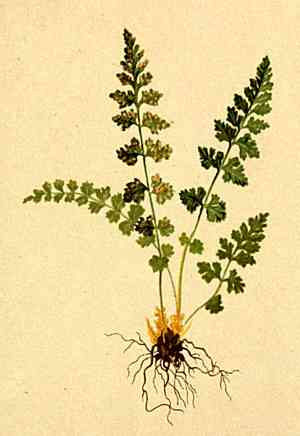
For the best outcomes, relocate egyptian spleenwort from early spring to mid-spring, when its development is most robust. Select a shaded spot with soil that drains effectively. Only move egyptian spleenwort if it has exceeded its present container or for the purpose of reproduction.
What Preparations are Needed Before Transplanting Egyptian Spleenwort?
What is the Ideal Time for Transplanting Egyptian Spleenwort?
The optimal period for relocating egyptian spleenwort is during the refreshing onset of mid-spring. This timing enables egyptian spleenwort to adapt smoothly as the soil warms. Moving egyptian spleenwort at this point capitalizes on its natural growth surge, promoting robust health and lush development. Ensuring its roots settle during these longer, nourishing days guarantees a successful transition, leveraging the season's vitality for prime growth.
How Much Space Should You Leave Between Egyptian Spleenwort Plants?
Hello, gardening enthusiast! When preparing to rehome your egyptian spleenwort, provide each plant ample room to flourish. Aim for a separation of 12-24 inches (30-60 cm) from adjacent plants. This spacing will aid their vigorous growth!
What is the Best Soil Mix for Egyptian Spleenwort Transplanting?
Before your egyptian spleenwort establishes roots, prepare the planting area with soil that drains well. Incorporate some organic compost to give your plant a nutritional head start. A slow-release balanced fertilizer will support strong development, so apply it according to product directions!
Where Should You Relocate Your Egyptian Spleenwort?
Your egyptian spleenwort thrives in partial shade! Locate a spot where sunlight is gentle; filtered or dappled light will make your egyptian spleenwort most content. Shield it from intense afternoon sun to preserve its vibrant, green appearance.
What Equipments Should You Prepare Before Transplantation Egyptian Spleenwort?
Gardening Gloves
To safeguard your hands while handling soil and plants.
Spade or Shovel
For digging around and beneath the plant.
Garden Fork
To assist in loosening the soil surrounding the plant's root system.
Watering Can or Hose
For hydrating the plant before and after its relocation.
Pruning Shears
To trim any damaged roots or leaves prior to transplanting.
Wheelbarrow or Tarp
To move the plant and soil to its new location efficiently.
Plant Support Stake
To stabilize the egyptian spleenwort if needed post-transplant.
How Do You Remove Egyptian Spleenwort from the Soil?
How Do You Remove Egyptian Spleenwort from the Soil?
From Ground: First, hydrate the egyptian spleenwort to moisten the soil. Next, excavate a wide trench around the plant using a spade or shovel, ensuring you dig far enough out to avoid cutting into the root ball. Carefully work your tool beneath the root ball, lifting it from the ground with caution.From Pot: Begin by watering the egyptian spleenwort. Then, tilt the pot sideways and gently tap it to loosen the plant. Support the plant's base with one hand, and with the other, carefully slide the egyptian spleenwort out of the pot, ensuring the root ball remains intact.From Seedling Tray: After watering, use a gardening tool to gently lift the egyptian spleenwort from the tray. Support the seedling by its leaves rather than the stem to prevent damage, and ensure the roots and attached soil are undisturbed.
Step-by-Step Guide for Transplanting Egyptian Spleenwort
Preparation
Water the egyptian spleenwort several hours before beginning the transplant process to ensure root hydration. This makes them more flexible and less prone to breakage.
Plant Removal
Using the appropriate removal method, carefully extract the egyptian spleenwort from its current spot, preserving the root ball for a smoother transition.
Transport
Place the egyptian spleenwort onto a wheelbarrow or tarp for easy and secure movement to the new planting site.
Hole Preparation
Dig a hole in the ground that is twice as wide and the same depth as the egyptian spleenwort's root ball, to provide ample space for root development.
Placement
Position the egyptian spleenwort in the center of the hole so that the top of the root ball is level with the surrounding ground. Adjust the depth if necessary before backfilling.
Backfill
Carefully refill the hole with the excavated soil, gently firming the soil around the plant to eliminate air pockets which can dry out roots.
Stabilize
If the egyptian spleenwort isn't standing upright or if it’s a particularly tall variety, use plant stakes to provide support.
How Do You Care For Egyptian Spleenwort After Transplanting?
Watering
Supply the egyptian spleenwort with sufficient water to keep the soil moist for the initial few weeks post-transplant to aid in establishing strong roots.
Mulching
Apply a layer of mulch around the base of the egyptian spleenwort to retain moisture, regulate soil temperature, and reduce weed competition.
Staking
If you have installed support stakes, ensure they are secure but not tied too tightly, allowing some movement while still offering stability.
Monitoring
Regularly check on the egyptian spleenwort for indications of stress, such as wilting or discolored foliage, and take appropriate action.
Gradual Acclimatization
If the egyptian spleenwort was previously growing indoors or in a shaded area, gradually expose it to outdoor conditions to prevent shock.
Troubleshooting Common Issues with Egyptian Spleenwort Transplantation.
Why is my egyptian spleenwort not adapting after transplanting?
Ensure you're transplanting during the optimal window, from early to late spring. Verify that the soil is moist and well-draining, and the plant is shielded from harsh afternoon sun.
How deep should I plant egyptian spleenwort when transplanting?
Excavate a hole as deep as the root ball and twice its width. The crown should be flush with the surrounding soil to prevent rot or desiccation.
Is there a recommended distance between transplanted egyptian spleenwort plants?
Absolutely! Space them approximately 12-24 inches (30-60 cm) apart. This allows for adequate air circulation and growth, preventing overcrowding.
Can egyptian spleenwort be transplanted in containers?
Yes, egyptian spleenwort can flourish in containers. Select a pot slightly larger than the root ball with drainage holes. Use a high-quality potting mix.
How much should I water egyptian spleenwort after transplanting?
Water thoroughly after transplanting to settle the soil. Afterward, keep the soil consistently moist, but not waterlogged, to support root establishment.
What signs indicate transplant shock in egyptian spleenwort?
Transplant shock may manifest as drooping, discolored leaves, or stunted growth. Minimize stress by keeping the soil moist and providing partial shade for a few days.
When is it too late to transplant egyptian spleenwort?
It's best to avoid transplanting during the peak heat of summer or when the plant is dormant in the cold winter months.
Should I fertilize egyptian spleenwort right after transplanting?
Refrain from fertilizing immediately after transplanting to avoid damaging tender roots. Wait a few weeks for the plant to establish, then use a balanced fertilizer.
What type of soil is optimal for transplanting egyptian spleenwort?
Utilize well-draining soil rich in organic matter. A slightly acidic to neutral pH provides the best environment for egyptian spleenwort's roots.
How can I protect egyptian spleenwort from pests during transplanting?
Inspect the plant carefully before and after transplanting. Keep the area free of debris, and consider using a mild insecticide if pests are a known issue.



