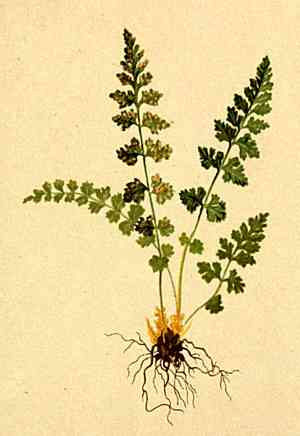
Egyptian spleenwort (Asplenium aethiopicum)
Also known as: Shredded spleenwort
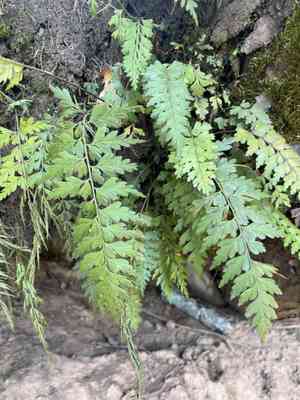
The Egyptian spleenwort, a hardy fern, features long, arching, glossy fronds that can grow up to 50 cm in length, forming a dense, vibrant green display. It thrives in shady, moist environments, often found in rocky areas. This fern prefers well-drained soils and typically roots itself in crevices, which aid in retaining moisture and absorbing nutrients.
In This Article
Attributes of Egyptian spleenwort
Lifespan
Perennial
Plant Type
Herb
Plant Height
25 cm to 45 cm
Spread
Approximately 30-50 cm
Leaf Color
Green
Flower Size
Not applicable (ferns do not produce flowers)
Flower Color
Not applicable (ferns do not produce flowers)
Images of Egyptian spleenwort
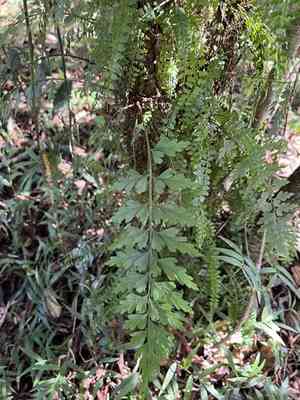
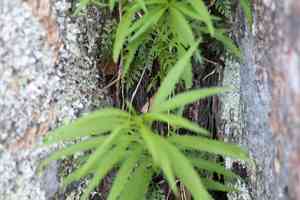
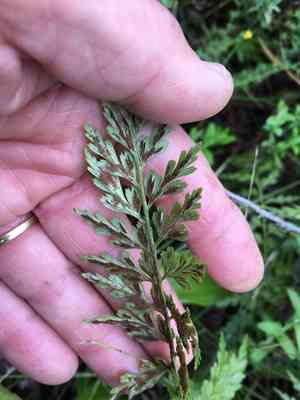
Quickly Identify Egyptian spleenwort
1
Look for its characteristic rosette of bright green, pinnate fronds with narrow pinnae. This fern often grows on tree trunks or rocky crevices, and the underside of its fronds has prominent sori (spore-producing structures).
Scientific Classification of Egyptian spleenwort
Phylum
Vascular plants
Class
Ferns
Order
Polypodiales
Family
Spleenwort
Genus
Spleenworts
Species
Egyptian spleenwort
Planting and Growing of Egyptian spleenwort
Care Difficulty
Easy
Watering Schedule
Every 2 days
Sunlight Requirements
Partial sun
Sunshine Duration
10-14 hours
Ideal Temperature
60-75℉
Soil Type
Potting Mix, Peat Mix
Soil pH
6.5-7.5
Fertilizer Type
Balanced
Pruning Season
Spring, Summer
Pruning Area
Branches, Leaves
Pruning Frequency
2 times a year
Repotting Season
Spring
Pot Type
Ceramic, Plastic
 How to Water Egyptian spleenwort?
When watering Asplenium aethiopicum, ensure that the soil is evenly moist but not waterlogged. A good rule of thumb is to water until approximately 200 milliliters have soaked into the soil, but always avoid standing water. It's crucial to let the top inch of soil dry out between watering sessions to prevent rot.
What are the symptoms of an underwatered Egyptian spleenwort?
›
What should I do if my Egyptian spleenwort is not getting enough water?
›
What are the symptoms of an overwatered Egyptian spleenwort?
›
How to save an overwatered Egyptian spleenwort?
›
 What Are the Sunlight Requirements for Egyptian spleenwort?
A partial sun environment provides the perfect balance for Asplenium aethiopicum, ensuring its fronds stay lush and green. Ideal light conditions promote healthy growth, improved photosynthesis, and natural resilience.
What is the ideal lighting condition for Asplenium aethiopicum?
›
How can you achieve ideal lighting for Asplenium aethiopicum?
›
What are the benefits of providing ideal lighting for Asplenium aethiopicum?
›
 What Is the Ideal Temperature Range for Egyptian spleenwort?
The ideal temperature range for Asplenium aethiopicum typically falls between 60°F and 75°F. This range ensures optimal growth and development, providing the plant with the necessary environment to thrive. Consistent temperatures within this range will support healthy frond development and overall plant vigor.
 What Soil is Best for Egyptian spleenwort?
Asplenium aethiopicum thrives in soil that drains well, preventing root rot by ensuring excess water doesn't linger around the roots. This requirement supports sturdy root development and robust foliage. A nutrient-rich medium ensures that Asplenium aethiopicum receives ample nutrients essential for growth and vitality. Enriched loamy soil, well-balanced in organic matter, supports lush frond development. The soil should retain moderate moisture, providing a constant source of hydration without waterlogging. This balances the fern's water needs, avoiding stress during dry periods and preventing overhydration.
 How to Fertilize Egyptian spleenwort?
For Asplenium aethiopicum, ensure that the application of fertilizer is moderate. Use a balanced liquid fertilizer, applying at half the recommended strength to avoid overfeeding. For slow-release fertilizers, use only a small amount as too much can harm the plant.
 How to Prune Egyptian spleenwort?
To effectively prune Asplenium aethiopicum, start by inspecting the plant for any dead, discolored, or damaged fronds. Use sharp, clean pruners to cut these fronds at their base, close to the plant's crown. Always make cuts at an angle to prevent water from collecting on the cut surface, which could lead to rot. After removing damaged foliage, assess the remaining fronds for overcrowding, which might restrict air circulation and light. If necessary, thin out by selectively cutting a few of the oldest fronds. This helps breathability and encourages healthy new growth. Remember to sterilize your tools before and after pruning to avoid spreading disease.
More About Pruning Techniques→
 How to Propagate Egyptian spleenwort plant?
1
Choose a healthy and mature Asplenium aethiopicum plant for division. Ensure the plant has multiple crowns to allow successful separation and health of each divided section.
2
Gently dig around the base of the plant with a spade or fork, being cautious not to damage the roots. Lift the plant out of the soil, shaking off any excess soil for better visibility of root division points.
3
Using a sharp knife or pruners, divide the root ball into sections, ensuring each new section has a few fronds and a healthy root structure. Plant each section in well-prepared soil and water thoroughly.
 How to Repot Egyptian spleenwort plant?
1
Asplenium aethiopicum needs repotting when you notice its roots are crowding the current pot or protruding through drainage holes. Another sign is when growth slows, suggesting it's outgrown its space. Ideally, repot during spring or early summer, as this allows the plant ample time to establish itself in the new potting environment before experiencing seasonal changes.
2
Selecting the appropriate pot for your Asplenium aethiopicum is crucial. Opt for a pot that is one size larger than the current one, ensuring adequate drainage holes to prevent waterlogging. A slightly bigger pot allows room for root expansion, which supports healthy growth. Avoid overly large pots, as they can retain too much moisture, leading to root rot.
3
A soil mix with excellent drainage properties is essential for Asplenium aethiopicum. Consider using a combination of potting soil, peat moss, and perlite. This mixture encourages aeration and prevents water from stagnating around the roots. Such well-aerated soil keeps the roots healthy and reduces the risk of fungal infections.



