How to Prune Egyptian spleenwort?
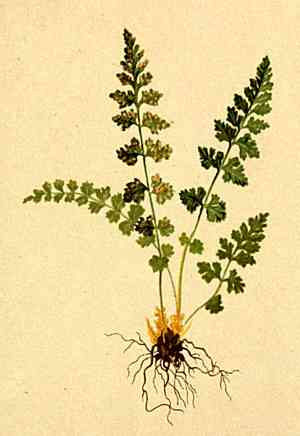
This perennial fern is recognized for its robust, firm leaves. For egyptian spleenwort, trimming focuses on eliminating withered or injured fronds to preserve visual attractiveness and stimulate vigorous development. The most suitable period for pruning is from spring through early autumn, steering clear of winter to avert strain. Consistently cutting back aged fronds can additionally enhance air movement, lowering the chance of illness. Employ sanitized, keen implements to execute accurate incisions at the frond's foundation without harming sound growth.
What Are the Benefits of Pruning Egyptian Spleenwort?
What Are the Benefits of Pruning Egyptian Spleenwort?
Trimming egyptian spleenwort promotes vigorous development and helps maintain its desired form. This variety benefits from the removal of aged fronds to encourage the emergence of new, healthy growth and to preserve its compact, neat look.
What Is the Best Time for Pruning Egyptian Spleenwort?
What Is the Best Time for Pruning Egyptian Spleenwort?
The optimal periods to trim egyptian spleenwort are during Spring and early Fall to align with its growth cycle and minimize stress. In Spring, as the plant awakens from dormancy and temperatures rise, pruning can stimulate fresh growth and the production of healthy, vibrant fronds. Pruning in Spring before the peak growth season allows gardeners to shape the plant and remove any old or damaged fronds. Early Fall pruning is beneficial as it permits the removal of fronds that have been damaged over the summer, yet provides the plant sufficient time to recover before the potential rigors of winter. Furthermore, since egyptian spleenwort does not flower or bear fruit, pruning can be performed without concern for disrupting these cycles. Avoid pruning in late Fall or Winter, as any new growth spurred by late-season trimming will be vulnerable to frost damage. These recommended seasons are considered ideal to ensure the health and visual appeal of egyptian spleenwort while fostering its strong growth in subsequent seasons.
What Tools Do I Need to Prune Egyptian Spleenwort?
Sharp Scissors or Snips
Given the delicate nature of egyptian spleenwort's fronds, sharp scissors or snips are advised for making clean cuts without harming the fragile tissue.
Micro-Tip Pruning Snips
These are perfect for precise trimming of small or hard-to-reach areas on egyptian spleenwort, allowing for greater control and less disruption to the plant.
Sterilized Tools
Sanitizing pruning tools is essential to prevent the spread of disease to egyptian spleenwort. Use alcohol wipes or a bleach solution to sterilize before and after use.
How to Prune Egyptian Spleenwort
Disease Identification
Examine egyptian spleenwort thoroughly to pinpoint any diseased or withered leaves, as well as dead or ailing branches.
Sterilization
Sanitize pruning tools using rubbing alcohol or a 10% bleach solution to prevent the transmission of disease.
Removal Diseased Parts
Carefully remove all diseased leaves and branches from egyptian spleenwort, making cuts close to the base of the affected part without harming healthy tissue.
Removal Withered Leaves
Trim off withered leaves from egyptian spleenwort to maintain aesthetics and encourage healthy growth, cutting at the base without harming new shoots.
Shape Maintenance
Prune dead branches to shape egyptian spleenwort and improve air circulation, cutting at the point where they meet healthy wood, at a slight angle to promote healing.
Common Pruning Mistakes with Egyptian Spleenwort
Over-pruning
Removing too many fronds from egyptian spleenwort at once can stress the plant, diminish its aesthetic appeal, and impede its growth.
Pruning healthy fronds
Cutting away healthy, green fronds instead of limiting pruning to old, damaged, or diseased fronds is an error, as it reduces the plant's capacity to photosynthesize effectively.
Tearing fronds
Ripping or tearing fronds instead of using sharp, clean tools can create jagged edges and inadvertently damage egyptian spleenwort's remaining healthy tissue.
Pruning too close
Trimming too close to the crown or base of egyptian spleenwort can harm the plant's central growth point, affecting its health and the development of new fronds.
Improper disposal
Failing to properly dispose of removed fronds can lead to the spread of pests or diseases back to egyptian spleenwort or to other nearby plants.
Common Pruning Tips for Egyptian Spleenwort
Sharp tools
Use sharp, sanitized pruning shears or scissors to ensure clean cuts and minimize the risk of disease transmission when pruning egyptian spleenwort.
Selective pruning
Focus on removing only the old, brown, or damaged fronds to maintain egyptian spleenwort's health and aesthetic appearance, as well as to encourage new growth.
Protect the crown
Avoid cutting into or damaging the crown of egyptian spleenwort when pruning, as this is crucial for the plant's ability to produce new fronds.
Clean workspace
Ensure the area around egyptian spleenwort is clean and free from debris after pruning to maintain a healthy environment and reduce the risk of pest infestations or fungal diseases.
Aftercare
After pruning egyptian spleenwort, consider providing a balanced liquid fertilizer to support the plant's recovery and promote robust growth.



