How to Transplant California lace fern?
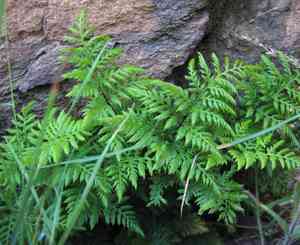
The ideal time to relocate california lace fern is from the middle to the end of spring, when climatic conditions foster peak development. Select a spot offering shade to partial sunlight, featuring soil that drains effectively. Guarantee very little disruption to the roots to improve the chances of successful integration.
What Preparations are Necessary Before Relocating California Lace Fern?
What is the Optimal Period for Relocating California Lace Fern?
California lace fern, a perennial plant, flourishes most effectively when moved in the middle to end of spring. This timing allows the plant to develop its root system prior to the intense heat of summer. Relocating during this window ensures prime growth and minimizes transplant shock, fostering a healthier and more robust plant.
How Much Distance Should Be Maintained Between California Lace Fern Plants?
Ensure each california lace fern is spaced approximately 12 inches (30 cm) apart. This provides ample room for healthy development and prevents overcrowding, guaranteeing each plant sufficient access to nutrients and light.
What is the Ideal Soil Mixture for California Lace Fern Relocation?
Prepare a well-draining soil blend enriched with compost or organic material. A sandy or loamy soil type is perfect. Incorporate a general-purpose base fertilizer to supply the essential nutrients for california lace fern to establish and flourish.
Where Should You Replant Your California Lace Fern?
Select a spot that receives partial to full sunlight. California lace fern thrives in locations where it can get at least 4-6 hours of daily sunlight. This promotes vigorous growth and vibrant foliage.
What Equipment Should You Prepare Before Relocating California Lace Fern?
Gardening Gloves
To safeguard your hands while handling soil and the plant.
Shovel or Spade
For excavating the plant from its original spot and preparing the new planting hole.
Watering Can or Hose
To hydrate the plant before and after its relocation.
Trowel
For more precise digging and adjusting soil around the root ball.
Mulch
To aid in retaining soil moisture post-transplantation.
Pruners
For trimming any damaged or excess foliage and roots.
How Do You Extract California Lace Fern from the Soil?
How Do You Extract California Lace Fern from the Soil?
From Ground: First, water the california lace fern plant to moisten the soil. Next, dig a wide trench around the plant using a shovel or spade, making sure the plant's root ball remains intact. Carefully work the spade beneath the root ball to lift the plant from its initial location.From Pot: Thoroughly water the california lace fern plant. Gently tap the pot to loosen the soil and support the plant's base while inverting the pot. Carefully slide the plant out, taking care not to harm the roots.From Seedling Tray: Lightly water the california lace fern plant to make the soil pliable. Use a pencil or similar tool to push through the drainage hole and gently ease the seedling out. Handle the delicate roots with care.
Step-by-Step Guide for Relocating California Lace Fern
Site Preparation
Choose a location with suitable sunlight and prepare the area by removing any debris. Dig a hole that is twice as wide and as deep as the root ball of the california lace fern.
Soil Preparation
Assess the soil quality and amend it if necessary with compost to ensure it is fertile and drains well. Avoid using chemical fertilizers at this stage.
Planting
Position the california lace fern in the prepared hole, ensuring the top of the root ball is level with the soil surface. Backfill the hole with soil and gently firm it around the root ball to eliminate air pockets.
Watering
Water the plant immediately after relocation to help settle the soil around the roots. Ensure the water reaches the root zone.
How Do You Care For California Lace Fern After Relocation?
Watering
Keep the soil around the california lace fern consistently moist, but not waterlogged, for the initial few weeks after relocation to help establish strong roots.
Mulching
Apply a layer of mulch around the base of the plant to retain moisture and regulate soil temperature.
Monitoring
Observe the plant for signs of stress such as wilting or yellowing leaves and address issues promptly.
Support
If needed, provide supports like stakes to help the plant remain upright until it re-establishes.
Troubleshooting Common Issues with California Lace Fern Relocation.
What is the best season to relocate california lace fern?
The ideal seasons to relocate california lace fern are mid to late spring for successful establishment.
How much space should I leave between each california lace fern plant?
Ensure to provide 12 inches (30 cm) of spacing between each california lace fern plant for healthy growth.
What type of soil is best for relocating california lace fern?
Use well-drained, sandy or rocky soil enriched with organic matter for relocating california lace fern.
How do I prevent transplant shock in california lace fern?
Water thoroughly before and after relocating california lace fern to help prevent transplant shock.
When should I water the relocated california lace fern?
Water the relocated california lace fern immediately after planting and maintain consistent moisture thereafter.
Can california lace fern be relocated in full sun?
Yes, california lace fern thrives in full sun but can tolerate partial shade as well.
How do I prepare the new site for relocating california lace fern?
Loosen the soil at the new site and mix in organic compost to prepare for california lace fern.
Is it necessary to prune california lace fern before relocating?
Pruning old or damaged fronds before relocating california lace fern can reduce stress and promote growth.
What care does california lace fern need after relocating?
After relocating california lace fern, water regularly, mulch to retain moisture, and monitor for pests.
Should I fertilize california lace fern immediately after relocating?
Wait a few weeks after relocating california lace fern before applying a balanced, slow-release fertilizer.



