How to Propagate California lace fern?
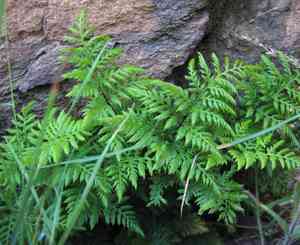
The California lace fern, recognized for its intricate, delicate foliage, flourishes most effectively when propagated by division. Gently divide established clusters, making certain that every piece retains a robust section of rhizome and leaves. Immediately replant these divisions into soil that drains efficiently, and ensure the substrate remains uniformly damp. This practice aids the segments in developing robust root systems and accelerating their growth. Sufficient shade, replicating its native forest setting, encourages vigorous proliferation.
Optimal Period for California Lace Fern Propagation
Propagation Method
Division
Propagation Season
Spring,Autumn
Tools Required for California Lace Fern Propagation
Garden Spade
A garden spade is crucial for carefully excavating and separating the root systems of california lace fern. Its sharp edge enables precise, clean cuts without harming the delicate root structure, ensuring successful transplanting and development.
Sharp Knife or Pruning Shears
These instruments are vital for making clean, accurate cuts when dividing root masses. Sharp blades help minimize trauma to plant tissues, promoting faster healing and reducing disease risk.
Rooting Hormone
Rooting hormone can be applied to the divided sections of california lace fern to stimulate root formation and growth. This is especially important for ensuring new divisions establish quickly and robustly.
Mist Sprayer
A mist sprayer is beneficial for maintaining adequate humidity around newly divided plants, helping to prevent the divisions from drying out during the critical initial rooting phases.
Potting Containers
Appropriately sized containers are necessary for housing the new divisions. These containers should possess good drainage capabilities to prevent waterlogging, which can be detrimental to california lace fern's health.
Quality Potting Mix
A well-draining, nutrient-rich potting mix offers the essential support and nourishment for the newly divided sections of california lace fern. It aids in maintaining optimal moisture levels and supplying vital nutrients.
Labels
Utilizing labels to mark new divisions ensures proper identification and organization, preventing confusion and assisting in monitoring the progress of each divided section.
How to Propagate California Lace Fern?
Propagation Type
Easy
Caring for Your Newly Propagated California Lace Fern
Caring for Your Newly Propagated California Lace Fern
After propagation, keep the california lace fern in a shaded, cool environment with indirect sunlight. Ensure the soil remains consistently moist but not waterlogged. Regularly check for any signs of stress or disease, such as yellowing fronds or wilting, and address these issues promptly. Use a balanced, slow-release fertilizer once the plant shows signs of new growth to support its development. Continue monitoring and nurturing the plant as it becomes established in its new location.
Common Errors to Avoid When Propagating California Lace Fern
Overwatering
Excessive watering can lead to root rot and fungal infections, which are particularly harmful to california lace fern as its roots are susceptible to such diseases.
Insufficient Humidity
Neglecting the need for adequate humidity can cause the plant to dry out and impede the development of spores, crucial for successful propagation.
Ignoring Soil Requirements
Using soil that is too dense or retains too much moisture can suffocate the roots and hinder growth. California lace fern prefers well-draining soil.
Improper Light Conditions
Failing to provide the correct light conditions, such as too intense or too dim light, can stress the plant and reduce the success rate of propagation.
Not Sterilizing Tools
Using unsterilized tools can introduce pathogens, leading to infections that can compromise both the parent plant and the cuttings.
Advice for Propagating California Lace Fern
Maintain Humidity
Employ a humidity dome or a plastic bag to create a moist environment that encourages spore development and root growth.
Well-Draining Soil
California lace fern thrives in soil that drains effectively. A blend of sandy soil with organic matter can provide the ideal environment.
Moderate Watering
Water california lace fern lightly and consistently. Ensure the soil remains moist but not waterlogged to prevent root rot.
Indirect Light
Position california lace fern in a spot with bright but indirect sunlight to support healthy growth without causing leaf burn.
Clean Tools
Always sterilize pruning shears and other tools before use to prevent the introduction of pathogens.



