How to Transplant Onionweed?
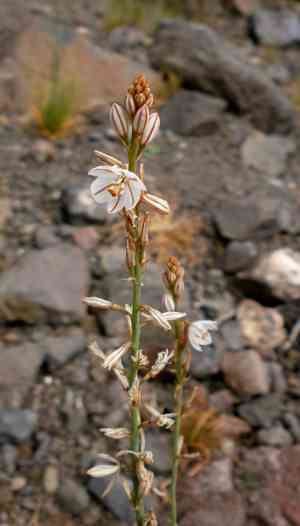
Onionweed flourishes when relocated during the revitalizing period of early to mid-spring. A bright location with adequately draining earth guarantees successful establishment. For optimal outcomes, seek out cool, temperate days to facilitate the adjustment. Enjoy your transplanting!
Essential Preparations Before Relocating Onionweed
Optimal Timing for Onionweed Relocation?
Relocating onionweed, a perennial, is best performed from early to mid-spring. This period allows the plant to establish roots in cooler soil and benefit from the upcoming warmer months for development. Transplanting at this time maximizes root growth and ensures successful adaptation, leading to more robust and resilient plants.
Recommended Spacing Between Onionweed Plants?
Position your onionweed plants approximately 12-18 inches (30-45 cm) apart. This spacing ensures ample room for healthy, vigorous growth without competition for nutrients and sunlight.
Ideal Soil Mixture for Onionweed Relocation?
Prepare well-draining soil rich in organic matter for your onionweed. Incorporate a balanced base fertilizer, such as a 10-10-10 (NPK) blend. This provides essential nutrients for successful establishment in their new site.
Optimal Location for Your Onionweed?
Select a sunny spot for your onionweed plants. They flourish best with full sun exposure, meaning they require at least 6-8 hours of direct sunlight daily. This promotes vigorous growth and lush foliage.
Equipment Needed Before Onionweed Transplantation
Gardening Gloves
To safeguard your hands while handling soil and plants.
Shovel or Spade
For excavating and moving earth.
Trowel
For precise digging around the plant.
Watering Can or Hose
To hydrate the plant before and after relocation.
Compost or Organic Matter
To enhance soil fertility where the plant will be moved.
Garden Fork
To loosen the soil, facilitating easier digging.
Pruning Shears
For trimming any damaged roots or leaves.
Method for Extracting Onionweed from Soil
Method for Extracting Onionweed from Soil?
From Ground: Moisten the onionweed plant to dampen the soil. Dig a wide trench around the plant using a shovel or spade, ensuring the plant's root ball remains intact. Carefully work the spade beneath the root ball to lift the plant from its original position.From Pot: Water the onionweed plant thoroughly. Tilt the pot sideways and gently tap the edges to loosen the soil. Carefully hold the stem base and slide the plant out, ensuring the root ball stays intact.From Seedling Tray: Water the seedling tray completely. Use a trowel to gently lift each onionweed seedling, taking care not to harm the delicate roots.
Step-by-Step Guide for Relocating Onionweed
Plant Preparation
Examine the onionweed plant for any damaged or unhealthy roots. Use pruning shears to remove these sections prior to transplanting.
Excavating the New Hole
Dig a hole in the new site that is twice as wide and the same depth as the onionweed's root ball.
Adding Soil Amendments
Combine compost or organic matter with the excavated soil to improve its fertility.
Positioning the Plant
Place the onionweed plant into the hole, ensuring it is at the same depth as its original growing position.
Backfilling
Refill the hole with the soil mixture, gently pressing down to eliminate air pockets.
Watering
Thoroughly water the newly relocated onionweed to help settle the soil around its roots.
Post-Transplantation Care for Onionweed
Watering
Maintain consistent moisture in the soil around the onionweed, avoiding sogginess, for the initial weeks after transplanting to aid in root establishment.
Mulching
Apply a layer of mulch around the base of the onionweed to conserve moisture and deter weeds.
Regular Inspections
Observe the plant daily for signs of stress, such as wilting or yellowing leaves, and adjust care as necessary.
Resolving Common Issues with Onionweed Transplantation
When is the optimal time to relocate onionweed?
Relocate onionweed in early to mid-spring for best growth and establishment in its new spot.
What spacing should I use for onionweed during transplantation?
Space onionweed plants 12-18 inches (30-45 cm) apart to allow for healthy development.
How do I prepare the soil for onionweed relocation?
Improve soil with compost to ensure good drainage and fertile conditions for onionweed.
What is the ideal planting depth for onionweed?
Plant onionweed at its original growing depth to minimize stress.
How can I reduce transplant shock for onionweed?
Water onionweed thoroughly before and after relocation to lessen transplant shock.
What's the best method to remove onionweed from its initial location?
Use a garden fork or spade to carefully lift onionweed while preserving its root system.
How soon after transplanting should I re-water onionweed?
Water onionweed regularly, keeping the soil consistently moist for the first few weeks.
What if onionweed leaves wilt after transplanting?
Provide shade and maintain moist soil to help onionweed recover from relocation stress.
Can I apply mulch around onionweed after transplanting?
Yes, mulching helps retain soil moisture and regulate temperature for onionweed.
What kind of location is best for relocating onionweed?
Choose a sunny area with well-drained soil for onionweed to thrive after relocation.



