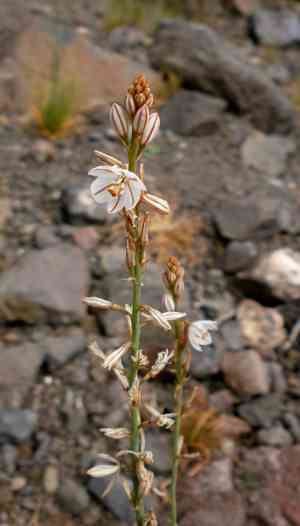
Onionweed (Asphodelus tenuifolius)
Also known as: Onion-Leaved Asphodel, Wild Onion
Asphodelus tenuifolius is typically found in agricultural fields, especially those growing wheat and chickpeas. It is prevalent in Egypt and the Sinai Peninsula, and is also native to the Mediterranean region, parts of Asia, and the Mascarene Islands. Its range extends from the Canary Islands through the Mediterranean, reaching into the Middle East and Afghanistan.
In This Article
Attributes of Onionweed
Lifespan
Perennial
Plant Height
20 to 50 cm
Spread
10 to 15 cm
Leaf Color
Green
Flower Size
1 to 1.5 cm
Flower Color
White
Images of Onionweed
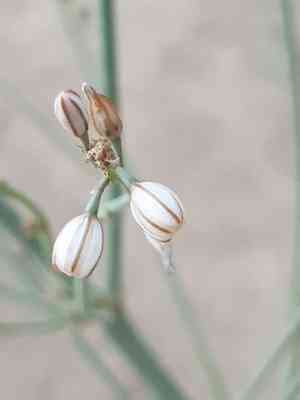
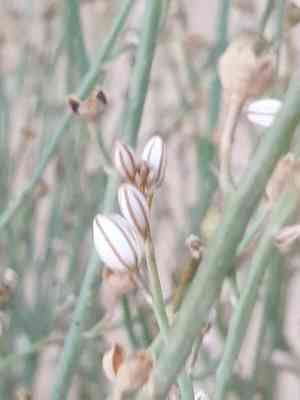
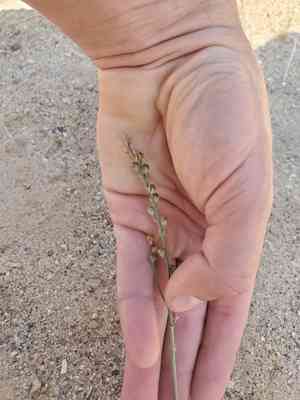
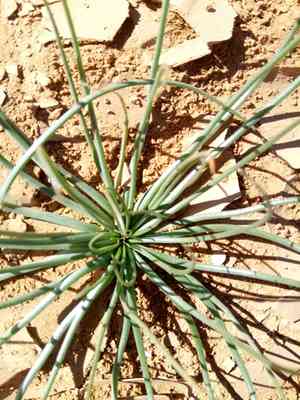
Quickly Identify Onionweed
1
To identify Asphodelus tenuifolius, look for its distinctive narrow, grass-like leaves and its white flowers with six tepals arranged in a star shape. The stem is unbranched and slender, and the plant tends to grow in sandy or rocky soils.
Scientific Classification of Onionweed
Phylum
Vascular plants
Class
Monocotyledons
Order
Asparagales
Family
Asphodel
Genus
Asphodels
Species
Onionweed
Planting and Growing of Onionweed
Care Difficulty
Moderate
Watering Schedule
Every 3 days
Sunlight Requirements
Full sun
Sunshine Duration
4-8 hours
Ideal Temperature
60-75℉
Soil Type
Potting Mix, Peat Mix
Soil pH
6.5-7.5
Fertilizer Type
Balanced
Pruning Season
Spring, Summer
Pruning Area
Branches, Leaves
Pruning Frequency
2 times a year
Repotting Season
Spring
Pot Type
Plastic, Ceramic
 How to Water Onionweed?
When watering Asphodelus tenuifolius, aim for a moderate soak of 150 ml per session. Ensure that the water reaches the roots but does not create puddles. This amount helps maintain a slightly moist but not waterlogged environment.
What are the symptoms of an underwatered Onionweed?
›
What should I do if my Onionweed is not getting enough water?
›
What are the symptoms of an overwatered Onionweed?
›
How to save an overwatered Onionweed?
›
 What Are the Sunlight Requirements for Onionweed?
Ideally, Asphodelus tenuifolius should be exposed to full to partial sun, meaning it thrives with about 4 to 6 hours of sunlight daily. This light exposure is crucial for optimal photosynthesis, ensuring healthy growth and blooming.
What is the ideal lighting for Asphodelus tenuifolius?
›
How to achieve ideal lighting for Asphodelus tenuifolius?
›
What are the benefits of proper lighting for Asphodelus tenuifolius?
›
 What Is the Ideal Temperature Range for Onionweed?
The ideal temperature range for Asphodelus tenuifolius is between 60°F and 75°F. This range allows the plant to thrive by maintaining optimal metabolic activities. Temperatures within this range promote healthy growth, optimal water uptake, and efficient photosynthesis, necessary for plant vitality.
 What Soil is Best for Onionweed?
Asphodelus tenuifolius thrives in well-draining soils, which prevent waterlogging and root rot. Ensuring proper drainage is crucial to maintaining healthy roots and promoting vigorous growth. While this plant is relatively low-maintenance, a nutrient-rich substrate supports better overall growth. Incorporating organic matter can help provide the essential nutrients Asphodelus tenuifolius needs. A balanced soil texture, such as sandy loam, offers the plant stability while allowing the roots to explore and anchor. This texture also aids in aeration, enhancing root health and vigor.
 How to Fertilize Onionweed?
For Asphodelus tenuifolius, it is best to use a balanced fertilizer with an N-P-K ratio of 10-10-10. When using liquid fertilizer, dilute it to half the recommended strength to avoid root burn and apply approximately 250 ml per plant.
 How to Prune Onionweed?
Begin by selectively removing any dead or dying foliage, starting from the outermost layers. Trim brown or yellowed leaves at their base to encourage new growth. This technique not only removes unsightly parts but also opens up the plant, improving air circulation and light penetration. Asphodelus tenuifolius has an elegant natural form that should be preserved during pruning. Avoid harsh or symmetrical cuts. Instead, trim lightly and follow the natural flow of the plant’s growth. This approach helps the plant retain its graceful, natural appearance while staying healthy.
More About Pruning Techniques→
 How to Propagate Onionweed plant?
1
Collect Asphodelus tenuifolius seeds and soak them in warm water for 24 hours before planting. This helps to soften the seed coat and enhance germination rates. Be sure to discard any seeds that float, as they may not be viable.
2
Fill seed trays with prepared potting mix and evenly distribute the soaked seeds on the surface. Cover them lightly with a thin layer of sand or potting mix to maintain moisture. Ensure the seeds are not buried too deeply to allow light penetration, which is often necessary for germination.
3
Moisten the potting mixture using a fine mist spray to avoid displacing the seeds. Maintain consistent moisture levels without making the substrate soggy. Place the trays in a warm location with indirect sunlight for optimal growth conditions.
 How to Repot Onionweed plant?
1
Watch for signs like roots growing out of drainage holes, soil compacting, or a visible slowdown in growth. These indicators suggest it's time to repot Asphodelus tenuifolius to provide more space and nutrients.
2
Select a pot that is slightly larger than the current one, typically 1-2 inches wider in diameter. The new pot allows sufficient room for root expansion and prevents overwatering issues intrinsic to oversized pots.
3
Opt for a well-draining sandy mix that mimics its natural environment. This type of soil ensures adequate drainage and aeration, preventing root rot and promoting robust growth.
Toxicity
ingestion
WARNING
The judgment on toxicity and danger is for reference only. We DO NOT GUARANTEE any accuracy of such judgment. Therefore, you SHALL NOT rely on such judgment. It is IMPORTANT TO SEEK PROFESSIONAL ADVICE in advance when necessary.



