How to Prune Onionweed?
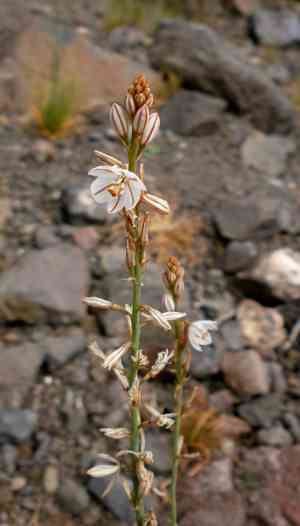
Onionweed is known for its robust stalks and clustered habit. To achieve peak development and well-being, trim it in late winter or early spring. Eliminate any deceased or compromised stalks to stimulate fresh development and facilitate air circulation. Shortening excessively lengthy stalks assists in preserving its form. Pruning not only improves the plant's visual attractiveness but also lowers the likelihood of illness. Always employ sanitized, keen implements to avert contamination. Consistent trimming fosters strong growth and extends the lifespan of onionweed.
What Are the Benefits of Pruning Onionweed?
What Are the Benefits of Pruning Onionweed?
Onionweed will grow robustly and maintain its form with consistent trimming. Removing dead or diseased sections can also improve its look and vitality, deter pests, and enhance air circulation within the plant.
What Is the Best Time for Pruning Onionweed?
What Is the Best Time for Pruning Onionweed?
Trimming onionweed in early spring or late winter is optimal as these periods precede the plant's active growth phase. Pruning at this time minimizes plant stress and encourages vigorous new growth. Since onionweed begins its growth cycle in early spring, pruning just before ensures cuts heal quickly as the plant starts to grow. Additionally, pruning before the spring flowering period allows onionweed to direct energy towards producing new shoots and blooms rather than maintaining older or damaged growth.
What Tools Do I Need to Prune Onionweed?
Bypass Pruners
Bypass pruners are perfect for making clean cuts on live green stems of onionweed. This tool type helps prevent harm and stress to the plant's tissues.
Hand Shears
Hand shears can be utilized for shaping and trimming onionweed. They are excellent for managing thinner, delicate stems, offering precision without tearing the plant.
Garden Scissors
Garden scissors are suitable for cutting small, finer stems of onionweed. Their easy handling ensures precise cuts and minimal plant damage.
Gloves
Wearing gloves protects hands from any potential irritants secreted by the plant while trimming and handling onionweed.
How to Prune Onionweed
Sanitize Tools
Before beginning the pruning process on onionweed, ensure all cutting implements like shears and scissors are disinfected to prevent disease spread.
Inspect Plant
Carefully examine onionweed to identify any diseased or withered leaves that require removal. Look for signs of discoloration, decay, or pests.
Trim Diseased Leaves
Using sharp, sanitized scissors or shears, carefully cut away any diseased leaves. Make sure to cut close to the base without harming healthy parts of the plant.
Trim Withered Leaves
After removing diseased leaves, proceed to trim any withered leaves. Cut at the base to encourage healthier growth and improve the plant's overall appearance.
Dispose Waste
Properly dispose of all trimmed-off diseased and withered leaves by bagging them and removing them from the garden area to prevent contamination and spread of diseases.
Common Pruning Mistakes with Onionweed
Over-pruning
Cutting back too much of onionweed can lead to plant stress, reducing its ability to photosynthesize and recover effectively.
Improper technique
Using dull or dirty tools can cause jagged cuts that make onionweed more vulnerable to infections and diseases.
Pruning at the wrong time
Even though season information is excluded, it's crucial to understand that certain periods are less favorable for pruning as it can hinder the plant's growth cycle.
Ignoring plant health
Not assessing the plant's overall health before pruning can result in further damage, especially if onionweed is already under stress from pests or diseases.
Uneven cuts
Creating uneven or haphazard cuts can lead to poor regrowth and an unattractive shape, which is particularly undesirable for onionweed.
Common Pruning Tips for Onionweed
Use sharp, clean tools
Ensure all pruning tools are sharp and sterilized to make clean cuts, reducing the risk of infection in onionweed.
Remove damaged parts first
Start by cutting away any dead, diseased, or damaged parts of onionweed, which helps prevent the spread of disease and encourages healthier growth.
Prune strategically
Focus on creating an open, balanced shape to allow light and air to penetrate the inner parts of onionweed, promoting robust growth and reducing the chances of fungal issues.
Limit cuts to necessity
Only remove what is necessary to maintain the plant's health and shape. Over-pruning can deprive onionweed of essential foliage needed for its vitality.
Monitor regrowth
After pruning, keep an eye on onionweed's new growth to assess how the plant is responding. This monitoring can help you determine the effectiveness of your techniques and make adjustments if needed.



