How to Transplant Netted pawpaw?
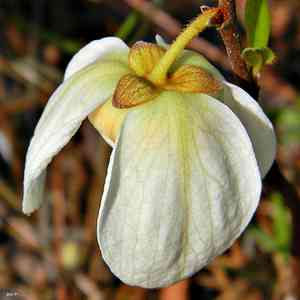
Netted pawpaw flourishes most effectively when relocated during the tranquil period of early spring. Select a brightly lit spot featuring soil that drains efficiently. To achieve peak development, refrain from overly disrupting the root mass.
Essential Preparations Before Moving Netted Pawpaw
Optimal Timing for Relocating Netted Pawpaw?
Netted pawpaw, a perennial, is best moved in early to mid-spring or early winter. During these periods, its dormant state minimizes shock, allowing roots to establish before active growth. This timing promotes robust establishment and adaptation, reducing stress and boosting survival rates. Mild weather during transplanting ensures ideal root development and overall plant health.
Required Spacing Between Netted Pawpaw Plants?
When relocating netted pawpaw, ensure each plant is spaced 8 to 10 feet (2.4 to 3 meters) apart. This provides ample room for growth and guarantees good air circulation, which aids in disease prevention.
Ideal Soil Mixture for Netted Pawpaw Relocation?
For netted pawpaw, prepare well-drained, slightly acidic soil with a pH of 5.5 to 6.5. Enrich the soil with organic compost and a balanced base fertilizer like 10-10-10 (NPK) to supply vital nutrients.
Where to Replant Your Netted Pawpaw?
Choose a spot that receives full sunlight for at least 6-8 hours daily. Netted pawpaw thrives best in a sunny location, which supports healthy growth and improved fruit production.
Tools Required Before Moving Netted Pawpaw?
Gardening Gloves
To safeguard your hands while handling soil and the plant.
Shovel or Spade
For excavating the plant from its original spot and creating a new planting hole.
Garden Fork
To loosen the soil around the plant without harming its roots.
Watering Can or Hose
To hydrate the plant both prior to and following its relocation.
Pruning Shears
To trim any damaged or overgrown roots.
Wheelbarrow or Plant Tray
To transport the plant to its new site with minimal stress.
How to Extract Netted Pawpaw from the Ground?
How to Extract Netted Pawpaw from the Ground?
From Ground: First, water the netted pawpaw plant to moisten the soil. Then, dig a wide trench around the plant using a shovel or spade, ensuring the plant's root ball remains intact. Carefully work the spade beneath the root ball to lift the plant from its original position.From Pot: Water the netted pawpaw plant to soften the soil. Gently tilt the pot on its side and tap the edges to loosen the soil. Carefully slide the plant out, supporting the root ball with your hand.From Seedling Tray: Water the seedling tray to make the soil more pliable. Use a small tool like a butter knife or spoon to gently lift each netted pawpaw seedling, taking care not to damage the roots.
Step-by-Step Guide for Relocating Netted Pawpaw
Site Preparation
Prepare the new planting location by digging a hole that is twice as wide and the same depth as the plant's root ball. Loosen the soil at the base of the hole to encourage root development.
Plant Extraction
Remove the netted pawpaw plant from its initial spot following the previously provided instructions.
Root Ball Inspection
Examine the plant's root ball for any damaged or decayed roots and trim them with pruning shears. This promotes healthy growth after transplanting.
Planting
Position the netted pawpaw plant in the prepared hole, ensuring it is at the same depth as it was in its original location. Fill the hole with soil, gently firming it around the root ball to eliminate air pockets.
Watering
After backfilling the hole, thoroughly water the netted pawpaw plant to help settle the soil and reduce transplant shock. Ensure the area around the plant is well-hydrated.
Post-Transplant Care for Netted Pawpaw
Watering
Keep the soil around the netted pawpaw consistently moist, but not waterlogged, for the initial few weeks after transplanting to aid in establishing strong roots.
Mulching
Apply a layer of mulch around the base of the netted pawpaw plant to retain soil moisture and regulate temperature, but avoid piling it against the plant's stem.
Monitoring
Regularly check the netted pawpaw plant for signs of transplant shock, such as wilting or yellowing leaves, and adjust care as needed. Refrain from fertilizing until the plant is well-established.
Addressing Common Issues During Netted Pawpaw Transplantation.
When is the optimal time to move netted pawpaw?
The best time to move netted pawpaw is early spring, mid-spring, or early winter.
What spacing should netted pawpaw plants have?
Plant netted pawpaw with 8-10 feet (2.4-3 meters) of space between each plant for optimal growth.
Which soil type is best for netted pawpaw during transplantation?
Netted pawpaw thrives in well-draining, slightly acidic to neutral soil for successful transplantation.
How should I prepare the planting site for netted pawpaw?
Ensure the site is weed-free and enriched with organic matter before transplanting netted pawpaw.
What depth should I plant netted pawpaw during transplantation?
Plant netted pawpaw so that the root ball is level with the soil surface for proper establishment.
How much water does netted pawpaw need after transplanting?
Water netted pawpaw thoroughly after transplanting and keep the soil consistently moist but not waterlogged.
What common mistake should I avoid when transplanting netted pawpaw?
Avoid damaging the roots during the transplanting process to ensure netted pawpaw's healthy growth.
How should I care for netted pawpaw post-transplant?
Mulch around netted pawpaw to retain moisture and control weeds, but keep mulch away from the stem.
How do you handle netted pawpaw roots during transplantation?
Handle netted pawpaw roots gently and avoid prolonged exposure to air to prevent stress and damage.
Should I fertilize netted pawpaw immediately after transplanting?
Wait a few weeks after transplanting netted pawpaw before applying a balanced fertilizer to allow root establishment.



