How to Propagate Netted pawpaw?
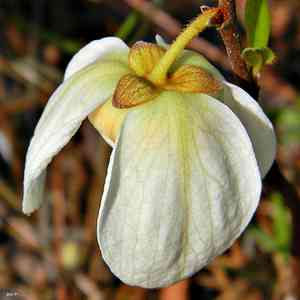
Asimina reticulata, a shrub indigenous to the southeastern regions of the United States, can be effectively propagated by planting seeds in soil that drains efficiently. It is crucial to maintain a steady level of moisture and offer partial shade, replicating its native surroundings. Gently abrade the seeds to enhance their sprouting success. After the young plants emerge, progressively introduce them to external conditions prior to relocating them.
When Is the Optimal Time to Propagate Netted Pawpaw?
Propagation Method
Planting seeds
Propagation Period
Spring
What Equipment Is Used for Netted Pawpaw Propagation?
Seed Tray
A seed tray is vital for planting netted pawpaw seeds. It offers a controlled setting for germination and simplifies the management and monitoring of moisture levels.
Seed Starting Mix
A premium seed starting mix is essential for netted pawpaw to guarantee proper air circulation and drainage, which is crucial for the delicate roots of young plants to grow without becoming waterlogged.
Humidity Dome
A humidity dome maintains moisture and establishes a consistently humid atmosphere, which benefits the germination of netted pawpaw, as it prevents the seeds from drying out.
Label Stakes
Label stakes assist in identifying netted pawpaw seedlings and tracking various seed types, ensuring each plant receives appropriate care.
Watering Can with Fine Rose
A watering can with a fine rose gently distributes water, preventing disruption to netted pawpaw seeds or young seedlings while ensuring consistent soil moisture.
How to Propagate Netted Pawpaw?
Propagation Difficulty
Simple
How to Nurture Your Newly Propagated Netted Pawpaw?
How to Nurture Your Newly Propagated Netted Pawpaw?
After propagating netted pawpaw, it's crucial to maintain sufficient moisture, as netted pawpaw seedlings are susceptible to dryness. Keep the soil slightly damp but avoid excessive watering to prevent root rot. Initially, provide partial shade, gradually exposing the seedlings to more sunlight. Transplant the seedlings to their permanent spot when they reach about 12 inches in height, ensuring well-draining soil and some protection from intense afternoon sun. Regularly check for pests and consider mulching around the base to retain moisture and reduce weed competition.
Common Errors to Avoid When Propagating Netted Pawpaw
Overwatering
Root rot frequently results from excessive watering, which can severely harm plant health and impede successful propagation.
Incorrect Soil Type
Using overly dense soil can hinder drainage and air circulation, leading to poor root development.
Lack of Sunlight
Insufficient sunlight can impede growth and cause etiolation, reducing the vigor and likelihood of successful propagation.
Improper Seed Handling
Damaging seeds or failing to properly stratify them can lead to low germination rates.
Advice For Propagating Netted Pawpaw
Adequate Watering
Ensure the soil stays moist but not waterlogged to prevent root rot; consistent, moderate irrigation is essential.
Well-draining Soil
Utilize a sandy or loamy soil mix to promote good drainage and aeration, enhancing root development.
Sufficient Light
Provide ample sunlight by placing netted pawpaw in a location that receives direct sunlight for several hours daily.
Careful Seed Preparation
Handle seeds with care and provide the necessary stratification period to improve germination success.



