How to Prune Netted pawpaw?
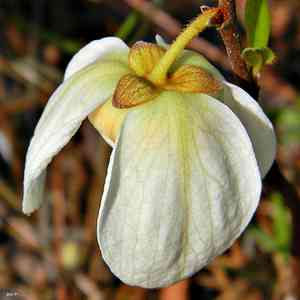
Netted pawpaw, recognized for its distinctive netted leaves and fragrant blossoms, thrives with trimming performed in early spring or late winter. Essential methods involve excising deceased or ailing limbs, reducing density to enhance airflow, and sculpting to foster vigorous development. Executing pruning during the suggested periods corresponds with netted pawpaw's growth rhythm, facilitating more robust health and improved flowering. Consistent trimming also aids in controlling the plant's dimensions and averts excessive density, guaranteeing a meticulously cared for and thriving example.
What Are the Benefits of Pruning Netted Pawpaw?
What Are the Benefits of Pruning Netted Pawpaw?
Netted pawpaw benefits from pruning by growing more vigorously and maintaining an ideal shape. Pruning enhances its healthy growth, keeps its size manageable, and improves overall appearance. Additionally, it helps the plant resist pests and diseases more effectively.
What Is the Best Time for Pruning Netted Pawpaw?
What Is the Best Time for Pruning Netted Pawpaw?
Trimming netted pawpaw during late winter to early spring ensures the plant remains dormant, leading to minimal stress and faster recovery. This timing aligns with netted pawpaw's growth cycle as it minimizes the risk of infection and disease that can occur with fresh cuts during active growth periods. Additionally, pruning before the new growth starts in early spring helps in shaping the plant and encourages vigorous flowering and fruiting during the growing season.
What Tools Do I Need to Prune Netted Pawpaw?
Hand Pruners
Perfect for precise trimming of small branches and stems. Use bypass pruners for cleaner cuts, minimizing plant damage.
Loppers
Crucial for cutting thicker branches that hand pruners cannot handle. Offer greater leverage and reach.
Pruning Saw
Useful for managing larger and tougher branches that loppers cannot cut. A folding or straight blade saw can be effective.
Long-Handled Pruners
Helpful for reaching higher branches without needing a ladder. Telescoping handles can offer even greater reach.
Gloves
Protect hands from potential thorns, rough bark, and sharp tools. Ensure they are durable and offer good grip.
How to Prune Netted Pawpaw
Inspect
Start by closely examining netted pawpaw for any indications of diseased or withered leaves. Pay particular attention to the lower sections as they are more prone to ailments.
Tool Sanitize
Before making any cuts, sanitize your pruning tools with a solution of one part bleach to nine parts water. This helps prevent the spread of any disease.
Remove Diseased
Carefully trim off any diseased leaves, making cuts just above a healthy node or branch. Dispose of these leaves properly to avoid contamination.
Cut Withered
Trim the withered leaves by cutting them back to the stem or the base of the plant. Ensure that your cuts are clean and not jagged.
Final Check
Perform a final check to ensure all diseased and withered leaves have been removed. Clean your tools once again after pruning is complete.
Common Pruning Mistakes with Netted Pawpaw
Over-pruning
Removing too much foliage can stress netted pawpaw, leading to reduced vigor and fewer blossoms. It's essential to prune judiciously and only remove what's necessary.
Incorrect technique
Improper cuts, such as ripping or tearing branches, can create wounds that are susceptible to disease and pests. Always use sharp, clean tools and make clean cuts.
Timing errors
Pruning at the wrong time can disrupt the plant's growth cycle and reduce flower production. Ensure you know the optimal periods for pruning tasks.
Pruning too frequently
Constantly cutting back netted pawpaw can prevent the plant from developing its natural shape and size. Prune only when necessary and allow the plant time to recover.
Common Pruning Tips for Netted Pawpaw
Light pruning
Focus on removing dead, damaged, or diseased wood to maintain health and vigor. This form of pruning helps direct energy towards healthy growth and flowering.
Shape maintenance
Regularly thin out overcrowded branches to improve air circulation and light penetration, reducing the risk of disease and promoting even growth.
Clean tools
Always use sharp and sterilized pruning shears to prevent the spread of diseases. Clean tools between cuts if you notice any disease symptoms.
Cutting angle
Make cuts at a 45-degree angle just above a bud or lateral branch to encourage proper healing and growth.



