How to Transplant Green comet milkweed?
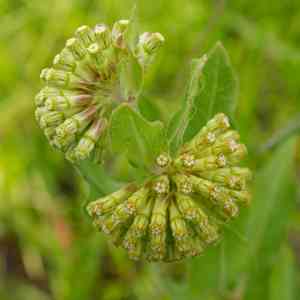
Relocate green comet milkweed during the early to late spring period, choosing a sunny spot with soil that drains effectively. Rehouse green comet milkweed promptly to allow for strong root development prior to the warmth of summer.
Essential Preparations Before Relocating Green Comet Milkweed?
Optimal Period for Transplanting Green Comet Milkweed?
The best time to move your green comet milkweed is from early spring's thaw until late spring's full bloom. During this interval, the soil warms, fostering root growth without the intense heat of summer. Transplanting green comet milkweed now allows for strong root establishment, preparing them to flourish through summer and beyond. Plus, you'll enjoy their growth during the most active seasons!
Recommended Spacing Between Green Comet Milkweed Plants?
When relocating your green comet milkweed, position them approximately 12 inches (30 cm) to 3 feet (91 cm) apart. This provides ample room for expansion and ensures adequate air circulation, vital for their development and health. It's like granting each plant its own comfortable space in your garden!
Ideal Soil Mixture for Green Comet Milkweed Transplanting?
Green comet milkweed thrives in soil that drains effectively. As you prepare the planting area, incorporate some organic compost to enrich the soil. A balanced, slow-release fertilizer can also give your green comet milkweed a good start. Consider it a nourishing meal for your plant that will sustain it for a while!
Choosing the Right Location for Your Green Comet Milkweed?
Select a site where your green comet milkweed will receive abundant sunlight, as these beautiful plants love to soak up the sun's warmth for at least 6 hours daily. A sunny spot is like a beach vacation for your green comet milkweed, so pick a location bathed in sunshine!
Tools Required Before Transplanting Green Comet Milkweed?
Gardening Gloves
To safeguard your hands while handling soil and plants.
Garden Trowel
For digging and moving soil around the planting area.
Watering Can or Hose
To hydrate the plant before and after the relocation process.
Garden Spade or Shovel
For excavating the plant if moving it from the ground.
Pruning Shears
To trim any dead or overgrown foliage and roots.
Wheelbarrow or Garden Cart
To transport the plant and soil if necessary.
Measuring Tape
To ensure correct spacing between transplanted plants.
How to Extract Green Comet Milkweed from the Soil?
How to Extract Green Comet Milkweed from the Soil?
From Ground: Moisten the green comet milkweed's surrounding soil to facilitate removal. Use a garden spade or shovel to dig a wide trench around the plant, being careful not to harm the root ball. Gently maneuver the tool beneath the root ball to lift the plant out of the ground.From Pot: Water the green comet milkweed in its container to help the roots slide out easily. Tilt the pot sideways, supporting the plant with one hand. With the other hand, gently tap the pot's bottom and sides to loosen the root ball, then carefully guide the plant out while preserving its root structure.From Seedling Tray: Lightly water the seedlings to aid in their removal. Use a garden trowel or your fingers to carefully lift each seedling by its leaves, avoiding the delicate stems, and ease the root ball from the tray, keeping as much soil around the roots as possible.
Step-by-Step Guide for Relocating Green Comet Milkweed
Preparation
Gather all the necessary tools listed above. Ensure you have watered green comet milkweed beforehand, reducing the risk of transplant shock.
Root Ball Care
Using pruning shears, remove any dead roots or foliage to encourage healthy growth and ensure successful transplantation.
Plant Removal
Follow the appropriate procedure from the 'removal_process' to extract your green comet milkweed from its original spot, whether it's the ground, a pot, or a seedling tray.
Transplant Hole
Dig a hole in the ground that is twice as wide and as deep as the green comet milkweed's root ball. This provides ample space for the roots to spread.
Planting
Gently place the green comet milkweed into the hole, ensuring it stands upright and at the same depth it was previously growing. Backfill the hole with soil, lightly pressing around the plant's base to eliminate air pockets.
Watering
Thoroughly water the newly transplanted green comet milkweed to settle the soil and help minimize transplant shock. Provide enough water to moisten the soil without causing waterlogging.
Post-Transplant Care for Green Comet Milkweed?
Pruning
Trim any dead or damaged foliage to help the green comet milkweed direct its energy towards establishing new roots instead of supporting injured parts. This also prevents disease and pest issues.
Mulching
Apply a layer of mulch around the base of the green comet milkweed to retain soil moisture, stabilize soil temperature, and suppress weed growth.
Monitoring
Closely observe the green comet milkweed during the initial weeks, looking for signs of stress such as wilting or discolored leaves, which may indicate a need for care adjustments.
Support Structures
If the green comet milkweed shows signs of weak or drooping stems, install stakes or other supports to help it remain upright as it establishes.
Addressing Common Issues with Green Comet Milkweed Transplantation.
When is the best time to transplant green comet milkweed?
The ideal time for transplanting green comet milkweed is when the weather warms, typically from early to late spring.
What spacing should I use when transplanting green comet milkweed?
Space green comet milkweed 12 inches to 3 feet (30 cm to 91 cm) apart to ensure proper growth.
How deep should I plant green comet milkweed root balls?
The root ball of green comet milkweed should be positioned at the same level in the ground as it was in its previous container.
How much should I water green comet milkweed after transplanting?
Water green comet milkweed generously after transplanting to help the soil settle around the roots.
What kind of soil is best for transplanting green comet milkweed?
Transplant green comet milkweed into well-draining soil enriched with organic matter for optimal results.
Can green comet milkweed be transplanted on a sunny day?
Yes, but it's preferable to transplant green comet milkweed during cooler, cloudy weather or in the late afternoon.
Should I fertilize green comet milkweed after transplanting?
Fertilizing is not necessary immediately after transplanting; allow green comet milkweed to establish itself first.
What should I do if green comet milkweed wilts after transplanting?
Provide shade and keep the soil moist. Wilting should be temporary as green comet milkweed adjusts to its new location.
Can I transplant green comet milkweed with blooming flowers?
It's best to transplant green comet milkweed when it's not blooming to avoid stressing the plant.
How do I protect green comet milkweed from transplant shock?
Minimize root disturbance, water thoroughly, and apply mulch around the base without touching the stem.



