How to Prune Green comet milkweed?
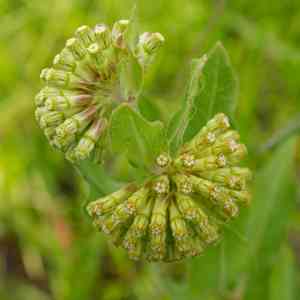
This enduring plant, featuring distinctive clusters of greenish blossoms, thrives when appropriately trimmed. Perform pruning in the latter part of spring to eliminate deceased stalks and foster a more compact development. Throughout the summer season, removing faded flowers will stimulate additional blooming and deter undesirable self-propagation. A late summer reduction can also revitalize its leaves. Always ensure your pruning implements are sanitized to avert the transmission of pathogens. Trimming not only sculpts the plant but also boosts its vitality and capacity for flowering.
What Are the Benefits of Pruning Green Comet Milkweed?
What Are the Benefits of Pruning Green Comet Milkweed?
Trimming green comet milkweed promotes more vigorous and dense development, fostering a compact form. Strategic cuts help maintain its desired shape, enhancing the plant's visual appeal and overall health.
What Is the Best Time for Pruning Green Comet Milkweed?
What Is the Best Time for Pruning Green Comet Milkweed?
Pruning or trimming green comet milkweed in spring and early summer is recommended to ensure the plant's strength and healthy regrowth. In spring, the threat of frost has typically passed, reducing the chance of new growth being harmed by cold temperatures. This timing allows gardeners to remove any winter-damaged stems and encourages healthier, more robust growth. Early summer pruning ensures the removal of spent flowers, which may promote a second bloom and prevent the plant from expending energy on seed production. Avoiding pruning in late summer and fall is crucial as it can lead to new growth that may not harden off in time for winter, making the plant susceptible to damage. Pruning in these suggested seasons aligns with green comet milkweed's growth cycle and helps maintain its health and vigor without impeding its flowering or fruiting periods.
What Tools Do I Need to Prune Green Comet Milkweed?
Bypass Pruners
Green comet milkweed is an herbaceous plant, and for its soft green stems, bypass pruners are perfect. They provide a clean and precise cut, which is vital for the plant's health and preventing disease.
Gloves
Due to the toxic sap of green comet milkweed, it is important to protect the skin while pruning. Gloves will prevent potential skin irritation from the sap.
Pruning Saw
If green comet milkweed has developed woody stems or requires more substantial pruning, a pruning saw can be useful to cleanly cut through thicker stems while minimizing harm to the plant.
Lopping Shears
For stems that are too thick for bypass pruners but not thick enough to necessitate a saw, lopping shears can be used on green comet milkweed to provide more leverage and make larger cuts, while still being precise.
How to Prune Green Comet Milkweed
Clean tools
Before starting the pruning process for green comet milkweed, ensure all pruning tools are clean and sterilized to prevent the spread of disease. Wipe the blades with isopropyl alcohol or a bleach solution.
Diseased leaves
Locate and carefully remove any diseased leaves from green comet milkweed. Make clean cuts with sharp pruning shears, cutting the leaf stems where they join the main stem to avoid damaging healthy parts.
Withered leaves
Identify and prune away withered leaves from green comet milkweed. Use a gentle touch to prevent accidental tearing, which could create entry points for pests or diseases.
Diseased stems
Examine green comet milkweed for diseased stems. Cut these stems back to healthy tissue, making angled cuts to promote water runoff and reduce the chance of further infection.
Cleanup
After pruning, collect all the removed plant material and dispose of it away from green comet milkweed, preferably in the trash or a designated compost area if not diseased, to maintain cleanliness and prevent disease spread.
Common Pruning Mistakes with Green Comet Milkweed
Overpruning
Excessively cutting back green comet milkweed can weaken the plant and reduce its ability to thrive and flower. As a general rule, avoid removing more than a third of the plant during a single pruning session.
Using Dull Tools
Dull or dirty pruning shears can damage the stems of green comet milkweed, potentially leading to disease. Always use clean, sharp tools to make clean cuts.
Pruning Without a Plan
Randomly cutting stems without understanding the growth pattern of green comet milkweed may result in an undesirable shape and fewer blooms. Understanding the plant's structure before pruning is crucial.
Ignoring Dead or Diseased Stems
Failing to remove dead, diseased, or damaged stems can hinder the health and appearance of green comet milkweed. These should be pruned promptly to maintain plant vigor.
Pruning in Wet Conditions
Pruning green comet milkweed when it's wet increases the risk of spreading diseases. Wait for dry weather before making cuts.
Common Pruning Tips for Green Comet Milkweed
Selective Thinning
Remove only the necessary stems to encourage better air circulation and light penetration throughout green comet milkweed, which promotes healthy growth.
Promote Flowering
Prune back old, faded flowers to encourage green comet milkweed to produce new blooms. Deadheading spent flowers can also prevent unwanted self-seeding.
Shape Management
Lightly trim green comet milkweed to maintain the desired shape and size. This can guide the plant to grow more compactly and bushier, which can be aesthetically pleasing.
Stem Care
When cutting back stems, make angled cuts just above a set of leaves or a growth node. This technique encourages new growth for green comet milkweed.
Health Assessment
Before pruning, assess the overall health of green comet milkweed. Remove any stems that appear weak, damaged, or diseased to preserve the plant's vitality.



