How to Transplant Zizotes milkweed?
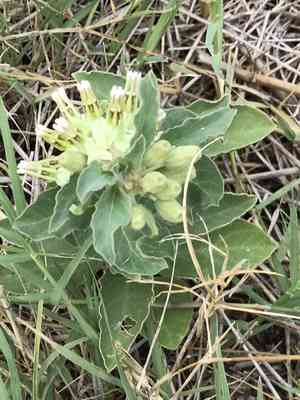
For zizotes milkweed, the optimal period for relocation spans from mid-spring through its final flowering stage, providing a combination of moderate warmth and sufficient development time. Select a bright location with soil that drains effectively and carefully introduce zizotes milkweed, preserving its root system to foster successful integration.
What Preparations are Needed Before Transplanting Zizotes Milkweed?
What is the Ideal Time for Transplanting Zizotes Milkweed?
The optimal period for relocating zizotes milkweed is the middle of spring. This timing allows zizotes milkweed to develop roots prior to summer's heat and benefits from mild temperatures, ensuring a vigorous growth cycle.
How Much Space Should You Leave Between Zizotes Milkweed Plants?
Before moving zizotes milkweed, allocate ample space. Aim for a separation of approximately 18-24 inches (45-60 cm) between plants. This enables your zizotes milkweed to grow without competition and ensures sufficient air circulation.
What is the Best Soil Mix for Zizotes Milkweed Transplanting?
Prepare a suitable bed for your zizotes milkweed with soil that drains well, enriched with a balanced, slow-release fertilizer. Loosen the soil to a depth of about 12 inches (30 cm) and incorporate the fertilizer to give your zizotes milkweed a healthy start.
Where Should You Relocate Your Zizotes Milkweed?
Select a sunny location that receives full sunlight for at least 6 hours daily. Zizotes milkweed thrives in bright sun, so an open area without shade is perfect to encourage strong growth and beautiful blooms.
What Equipments Should You Prepare Before Transplantation Zizotes Milkweed?
Shovel or Garden Spade
To excavate the plant and create a new cavity for replanting.
Watering Can or Hose
To hydrate the plant before and after extraction, as well as in its new spot.
Gardening Gloves
To safeguard your hands while handling soil and the plant.
Trowel
For refining the transplant hole and adjusting earth around the root mass.
Pruners or Sharp Knife
For trimming any damaged or excessively long root structures.
Wheelbarrow or Garden Cart
For moving the plant and soil if required.
Measuring Tape
To ensure correct spacing between new plants if planting multiple specimens.
Garden Fork
To loosen the soil surrounding the plant, ensuring minimal root disturbance.
Rooting Hormone (optional)
To stimulate root development in the new location.
How Do You Remove Zizotes Milkweed from the Soil?
How Do You Remove Zizotes Milkweed from the Soil?
From Ground: First, water the zizotes milkweed to moisten the soil. Then, dig a wide trench around the plant using a shovel or garden spade, ensuring the plant's root ball remains intact. Carefully work the spade under the root ball to lift the plant from its original location.From Pot: Water the zizotes milkweed to ensure the soil is moist. Tip the pot sideways and gently tap the edges to loosen the root ball. Slowly ease the plant out, supporting the base and stem with your hand.From Seedling Tray: Moisten the soil to prevent root damage. Using a trowel or your fingers, dig gently around the seedling. Lift the seedling by the leaves, not the stem, and make sure to bring along a substantial amount of soil attached to the roots.
Step-by-Step Guide for Transplanting Zizotes Milkweed
Preparation
Water the zizotes milkweed thoroughly before beginning the transplant to ensure that the roots are hydrated. This makes them more flexible and less prone to damage during the transition.
Digging the New Hole
Excavate a hole twice as wide as the root ball and equally deep. This will provide the roots of zizotes milkweed ample room to spread out and establish themselves.
Placing the Plant
Carefully position the zizotes milkweed into the hole, ensuring that it is upright and at the same depth it was previously growing. The top of the root ball should be level with the surrounding soil.
Backfilling
Fill in around the root ball with soil, pressing down gently to eliminate air pockets. This will provide support and enable good root-to-soil contact.
Watering
Water the zizotes milkweed thoroughly after transplanting to settle the soil around the roots and help reduce transplant shock.
Adding Supports if Necessary
If the zizotes milkweed is tall or at risk of being disturbed by wind, consider staking it or adding supports to keep it upright while the roots take hold.
How Do You Care For Zizotes Milkweed After Transplanting?
Monitoring
Regularly inspect the zizotes milkweed for indications of stress such as wilting or discolored leaves and adjust care as needed.
Establishing Roots
Avoid disturbing the soil around the zizotes milkweed for several weeks to allow the roots to establish. Keep foot traffic away from the area.
Mulching
Apply a layer of mulch around the base of zizotes milkweed to help retain soil moisture and regulate temperature fluctuations.
Troubleshooting Common Issues with Zizotes Milkweed Transplantation.
Why is my zizotes milkweed not thriving after transplanting?
Ensure zizotes milkweed was transplanted during the optimum window from mid to late spring, with adequate soil preparation and watering. Avoid drastic changes in environmental conditions.
What is the best spacing between zizotes milkweed when transplanting?
Give each zizotes milkweed room to flourish by spacing them 18-24 inches (45-60 cm) apart. This allows for healthy growth and airflow.
How deep should I plant zizotes milkweed when transplanting?
The root ball of zizotes milkweed should be planted at the same depth it was growing previously. Adjust the hole depth accordingly.
How often should zizotes milkweed be watered after transplanting?
Water zizotes milkweed regularly to keep soil moist but not waterlogged, tapering off as the plant establishes itself over a few weeks.
What should I do if zizotes milkweed wilts after transplanting?
Wilting can be a sign of stress. Check for proper soil moisture, provide shade if it's overly sunny, and ensure the roots are intact.
Can zizotes milkweed survive frost after transplanting?
Transplanting should be done after the last frost date to avoid frost damage. If unexpected frost occurs, protect zizotes milkweed with a frost cloth.
Should I fertilize zizotes milkweed after transplanting?
Wait a few weeks before fertilizing to allow zizotes milkweed to settle. Then, use a balanced fertilizer if needed to promote healthy growth.
How do I protect transplanted zizotes milkweed from pests?
Monitor zizotes milkweed closely for pests. If pests are present, use appropriate, environmentally-friendly pest control methods.
What type of soil is best for transplanting zizotes milkweed?
Use well-drained soil rich in organic matter for zizotes milkweed. This ensures healthy root development and adequate nutrient availability.
Can I transplant zizotes milkweed during the summer?
It is recommended to transplant zizotes milkweed during mid to late spring. Summer transplantation can be stressful due to heat, affecting root establishment.



