Enhancing Your Garden Design with the Zizotes milkweed Plant: A Landscaping Guide
1
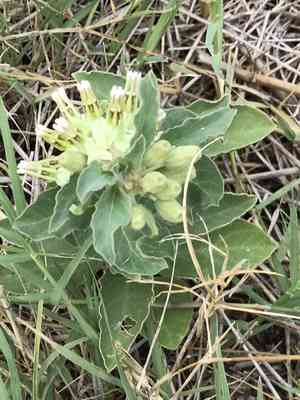
Zizotes milkweed, being indigenous, offers great sustainability and supports local ecological balance.
2
The plant's distinct textures and hues enhance the visual appeal of any outdoor space.
3
This milkweed variety tolerates dry conditions and needs little care, perfect for effortless garden designs.
Why Incorporate Zizotes Milkweed into Your Garden?
Indigenous Plant Benefits: Ecological Support and Sustainability
A primary justification for integrating Zizotes milkweed into your garden is its classification as an indigenous plant. Native flora naturally adapts to regional climate and soil conditions, ensuring long-term sustainability. They demand fewer resources like water and fertilizers, thereby lessening your garden's environmental footprint. Furthermore, native plants are crucial for sustaining local ecosystems. They offer vital habitat and food sources for indigenous wildlife, including pollinators such as bees and butterflies. Cultivating Zizotes milkweed aids in restoring biodiversity and maintaining ecological equilibrium in your garden.
Aesthetic Appeal: Introducing Distinctive Textures and Hues
Zizotes milkweed provides unique visual characteristics, making it a valuable addition to any garden. Its singular textures and colors can enhance depth and visual interest in your landscape design. The plant's blossoms and foliage present diverse shapes and shades, creating a vibrant and appealing garden space. Whether aiming for a naturalistic or a more structured garden, Zizotes milkweed can serve as a focal point or a complementary element to other plantings. Its captivating appearance is sure to attract the notice of visitors and passersby.
Minimal Upkeep Advantages: Drought Tolerance and Reduced Care
Another compelling reason to integrate Zizotes milkweed into your garden is its low-maintenance nature. Zizotes milkweed is renowned for its drought resistance, meaning it can flourish with minimal watering once established. This trait is particularly beneficial for gardeners seeking to conserve water and decrease garden upkeep. Moreover, Zizotes milkweed generally requires less frequent pruning and fertilizing compared to non-native species. This makes it an excellent option for busy gardeners or those who prefer a less hands-on gardening approach. By selecting low-maintenance plants like Zizotes milkweed, you can enjoy a beautiful garden with less effort.
Landscape Design Concepts for Zizotes Milkweed Integration
Focal Points: Emphasizing Zizotes Milkweed in Flowerbeds and Borders
To maximize Zizotes milkweed's visual impact, consider using it as a prominent feature in flowerbeds and borders. Its unique form and vibrant hues can create striking contrasts with other plants. By strategically positioning Zizotes milkweed at the front or middle of your borders, you can draw attention to its characteristics. Alternatively, arrange Zizotes milkweed in clusters within flowerbeds, combining it with plants of varying heights and bloom times to ensure your garden remains appealing throughout the seasons.
Companion Planting: Optimal Plant Pairings for Zizotes Milkweed
Companion planting is an effective method to enhance your garden's health and beauty. When selecting plants to pair with Zizotes milkweed, choose those with compatible growth habits and care requirements. Plants such as native grasses, wildflowers, and other drought-tolerant species are excellent companions. These combinations can amplify your garden's ecological benefits while providing a visually harmonious design. Additionally, companion planting can help deter pests and improve soil health, contributing to your garden's overall success.
Seasonal Considerations: When Zizotes Milkweed is at Its Peak
Understanding Zizotes milkweed's seasonal behavior is crucial for planning your garden layout. Zizotes milkweed typically flowers during specific periods of the year, offering peak visual appeal when in bloom. By designing your garden with Zizotes milkweed's flowering season in mind, you can ensure that key areas of your landscape remain vibrant and engaging year-round. Consider interplanting with species that bloom in complementary seasons to maintain continuous visual interest.
Practical Advice for Cultivating Zizotes Milkweed
Soil Preferences and Sunlight Requirements for Optimal Growth
Zizotes milkweed thrives in well-drained soil and needs full to partial sunlight for optimal development. Ensuring the correct soil conditions and sufficient sun exposure will help you grow a healthy and lush plant. If your garden soil is heavy clay or drains poorly, consider amending it with organic matter or creating raised beds to improve conditions. Regularly check soil moisture levels, especially during the establishment phase, to encourage strong root development.
Spacing and Planting Guidelines for Landscape Impact
Proper spacing is vital for Zizotes milkweed's growth and aesthetic appeal. Plant Zizotes milkweed with adequate room for its mature size, generally maintaining a distance of about 18 to 24 inches between plants. This spacing ensures each plant has ample space to grow and reduces competition for resources. Grouping Zizotes milkweed in odd numbers or drifts can create a more natural and visually pleasing effect in your garden. Additionally, consider planting at varying depths and levels to add dimension and interest.
Managing Pests and Common Issues Without Compromising Visual Appeal
While Zizotes milkweed is generally resilient, it can still encounter pests and diseases. Regular observation and prompt action can prevent minor problems from worsening. Opt for organic and environmentally friendly methods such as introducing beneficial insects, using neem oil, or applying insecticidal soap to control pests. Address any disease symptoms quickly by removing affected foliage or applying appropriate treatments. By maintaining good garden hygiene and using preventive measures, you can keep Zizotes milkweed healthy without diminishing its visual appeal.
Environmental Impact and Sustainability of Zizotes Milkweed
Contribution to Biodiversity and Wildlife Support
Planting Zizotes milkweed significantly enhances local biodiversity and supports wildlife. As an indigenous species, Zizotes milkweed attracts and provides habitat for various insects, birds, and small mammals. It plays a crucial role in the life cycle of pollinators, especially specialized ones that depend on it for nectar and reproduction. By including Zizotes milkweed in your garden, you are helping to create a flourishing ecosystem that supports both flora and fauna.
Water Conservation and Soil Health Enhancement
Zizotes milkweed's drought-tolerant characteristics make it an excellent choice for water conservation. Once established, it requires minimal irrigation, helping to reduce water usage in your garden. Additionally, native plants like Zizotes milkweed contribute to soil health by promoting better structure and microbial activity. Their deep root systems can help prevent erosion and improve soil aeration, leading to a more sustainable and resilient garden environment.
Long-Term Benefits for the Local Ecosystem
Choosing native plants like Zizotes milkweed for your garden offers long-term environmental advantages. Over time, they help stabilize local ecosystems, foster biodiversity, and lessen the need for chemical inputs. This sustainable gardening approach not only improves the immediate surroundings but also contributes to the well-being of the broader environment. By investing in native landscaping practices, you are playing a part in preserving natural habitats and promoting ecological health for future generations.



