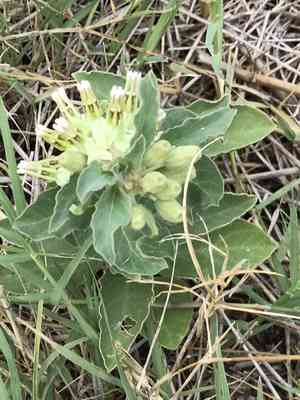
Zizotes milkweed (Asclepias oenotheroides)
Also known as: Longhorn Milkweed, Lindheimer's Milkweed
Zizotes milkweed (Asclepias oenotheroides) is indigenous to the southwestern United States and parts of Central America. It plays a vital role in the ecosystem by serving as a crucial food source for monarch butterfly caterpillars. Additionally, like other milkweeds, it is toxic if ingested by humans or most animals, and its sap can cause skin irritation in humans.
In This Article
Attributes of Zizotes milkweed
Lifespan
Perennial
Plant Type
Herb
Plant Height
46 cm
Spread
45 cm
Leaf Color
Green
Flower Size
0.25 inches (0.6 cm)
Flower Color
Yellow Green
Images of Zizotes milkweed
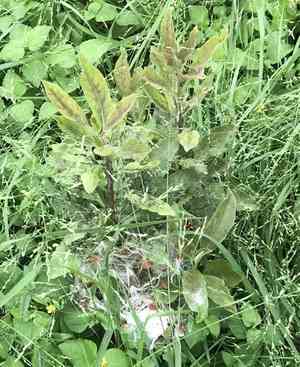
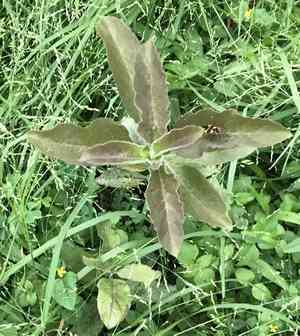
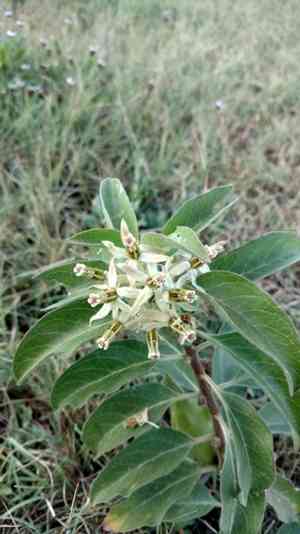
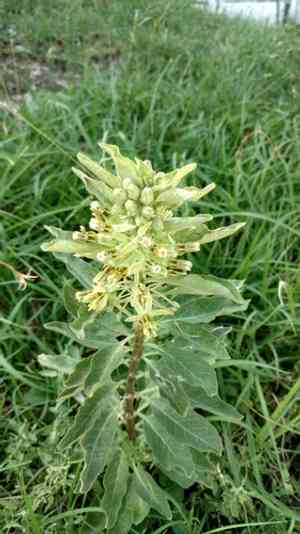
Quickly Identify Zizotes milkweed
1
This plant can be identified by its hairless stems and broad, lance-shaped leaves. The small greenish-white to yellowish flowers are arranged in umbels.
Scientific Classification of Zizotes milkweed
Phylum
Vascular plants
Class
Dicotyledons
Order
Gentianales
Family
Dogbane
Genus
Milkweeds
Species
Zizotes milkweed
Planting and Growing of Zizotes milkweed
Care Difficulty
Easy
Watering Schedule
Every 2 days
Sunlight Requirements
Full sun
Sunshine Duration
6-10 hours
Ideal Temperature
65-85℉
Soil Type
Potting Mix, Peat Mix
Soil pH
6.5-7.5
Fertilizer Type
Balanced
Pruning Season
Spring, Summer
Pruning Area
Branches, Leaves
Pruning Frequency
2 times a year
Repotting Season
Spring
Pot Type
Plastic, Ceramic
 How to Water Zizotes milkweed?
Asclepias oenotheroides, commonly known as 'Zizotes Milkweed,' prefers well-drained soil and requires moderate watering. This plant enjoys a thorough soak but needs the soil to dry out completely between waterings. Ideally, 250 milliliters per session ensures deep penetration to the roots, without causing waterlogging.
What are the symptoms of an underwatered Zizotes milkweed?
›
What should I do if my Zizotes milkweed is not getting enough water?
›
What are the symptoms of an overwatered Zizotes milkweed?
›
How to save an overwatered Zizotes milkweed?
›
 What Are the Sunlight Requirements for Zizotes milkweed?
Full sun provides Asclepias oenotheroides with the robust light needed for optimal photosynthesis and blooming, promoting vigorous health and vibrant floral displays.
More About Sunlight Requirements Techniques→
What is the best light for Asclepias oenotheroides?
›
How can I achieve the ideal light conditions?
›
What are the benefits of providing ideal lighting?
›
 What Is the Ideal Temperature Range for Zizotes milkweed?
The ideal temperature range for growing Asclepias oenotheroides is between 65°F and 85°F. This range is optimal for the plant's physiological processes, such as photosynthesis and respiration, which ensures healthy growth and flower production. Maintaining temperatures within this range can lead to robust plant development and vibrant blooms.
 What Soil is Best for Zizotes milkweed?
Asclepias oenotheroides prefers well-draining soil to prevent root rot. The loose structure of well-draining soil helps to maintain healthy root systems by allowing excess water to flow away, promoting vibrant growth and resilience against fungal diseases. This plant thrives in soil with moderate nutrient content, ensuring robust growth without overwhelming its root system. Balanced nutrient levels support strong stem and leaf development and bolster the plant's natural defense mechanisms against pests and diseases. A slightly alkaline soil pH between 6.5 and 7.5 suits Asclepias oenotheroides well. This pH range supports nutrient availability and absorption, ensuring the plant gets sufficient essential minerals, which are crucial for its health and growth.
 How to Fertilize Zizotes milkweed?
Asclepias oenotheroides benefits from modest fertilization. Use a balanced 10-10-10 fertilizer at half the strength recommended on the label. Overfeeding can lead to nutrient burn, so start with 1 tablespoon per plant.
 How to Prune Zizotes milkweed?
Prune Asclepias oenotheroides in early spring and after flowering in late summer. Begin by removing any dead or damaged stems to improve air circulation and light penetration, which helps in fostering healthy growth. After flowers have faded, cut back the flowering stems to the base to stimulate the development of new shoots. Use sharp pruning shears to ensure clean cuts, preventing fraying or damage to the stem. Make diagonal cuts about ¼ inch above a set of leaves or a growth node to reduce water retention and potential rot. Disinfect tools before and after pruning to avoid disease transmission.
More About Pruning Techniques→
 How to Propagate Zizotes milkweed plant?
1
Fill the seed tray with a well-draining potting mix. Moisten the mix slightly before planting. This step is crucial for seed germination as it ensures that the seeds have the moisture they need without becoming waterlogged.
2
Plant the seeds approximately 1/4 inch deep in the tray. Ensure they are spaced adequately apart to prevent overcrowding. This encourages healthy growth by ensuring each seedling has enough resources.
3
Cut a healthy stem about 4-6 inches long using sharp shears. Remove the lower leaves to expose nodes, which will encourage rooting in water or potting mix.
 How to Repot Zizotes milkweed plant?
1
Signs it's time to repot Asclepias oenotheroides include roots peeking out from drainage holes or the plant appearing root-bound. The best time is during its active growing seasons, spring or summer, to allow it to recover and adapt swiftly.
2
Select a pot that is just one size larger than the current one with drainage holes. A snug pot helps prevent overwatering, reducing the risk of root rot and ensuring the plant's roots are not overwhelmed by excess soil.
3
A well-draining cactus mix is ideal for Asclepias oenotheroides. This mix keeps the roots dry and prevents rot by allowing excess water to drain away quickly, mimicking the plant's natural desert habitat.
Toxicity
Ingestion
WARNING
The judgment on toxicity and danger is for reference only. We DO NOT GUARANTEE any accuracy of such judgment. Therefore, you SHALL NOT rely on such judgment. It is IMPORTANT TO SEEK PROFESSIONAL ADVICE in advance when necessary.
Learn More About Zizotes milkweed Diseases
Anthracnose
Bacterial Leaf Spot
Bacterial Soft Rot
Bacterial Wilt
Crown Gall
Cyst Nematode
Damping-off
Downy Mildew
Fusarium Wilt
Gray Mold
Leaf Spot
Mosaic
Powdery Mildew
Root Rot
Root-knot Nematode
Rusts
Sooty Mold
White Mold
Chemical Injury
Drought Stress
Nutrient Deficiency
Nutrient Toxicity
Spider Mites
Temperature Stress
Thrips Damage



