How to Transplant Mahogany milkweed?
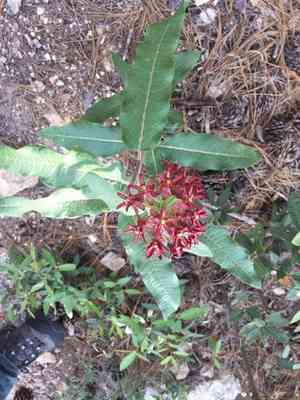
For a flourishing mahogany milkweed, relocating it during the lively period from early to late spring is optimal. Select a spot that receives ample sunlight or partial shade, featuring soil that drains effectively. Providing suitable conditions will aid in its successful development and rooting.
What Preparations are Needed Before Transplanting Mahogany Milkweed?
What is the Ideal Time for Transplanting Mahogany Milkweed?
Mahogany milkweed, a hardy perennial, flourishes when moved from the beginning to the end of spring. This period ensures optimal soil warmth and adequate moisture, fostering strong root development. Transplanting at this time maximizes the plant's growth potential and stability, guaranteeing a healthy and robust establishment for the growing season.
How Much Space Should You Leave Between Mahogany Milkweed Plants?
Prior to relocating mahogany milkweed, ensure each plant is spaced 18-24 inches (45-60 cm) apart. This provides ample room for development and air circulation, helping your plants thrive without being overcrowded.
What is the Best Soil Mix for Mahogany Milkweed Transplanting?
Prepare the soil for mahogany milkweed by ensuring it drains well and is sandy. Incorporate a balanced base fertilizer to support healthy root growth and overall plant vitality.
Where Should You Relocate Your Mahogany Milkweed?
Select a spot that receives full sun for transplanting mahogany milkweed. These plants flourish in bright sunlight, so ensure they get at least 6-8 hours of direct sun daily.
What Equipments Should You Prepare Before Transplantation Mahogany Milkweed?
Gardening Gloves
To safeguard your hands while working with the soil and plant material.
Shovel or Spade
For excavating and lifting the plant from its initial position.
Watering Can or Hose
To hydrate the plant before and after its relocation.
Garden Fork
To loosen the soil surrounding the plant without harming its root ball.
Plant Labels
To mark the new placement of each plant if moving multiple specimens.
Bucket or Container
To temporarily hold the plant's roots and soil if necessary during the transfer.
How Do You Remove Mahogany Milkweed from the Soil?
How Do You Remove Mahogany Milkweed from the Soil?
From Ground: First, water the mahogany milkweed plant to moisten the soil. Then, dig a wide trench around the plant using a shovel or spade, ensuring the plant's root ball remains intact. Carefully work the spade beneath the root ball to lift the plant from its original spot.From Pot: Water the mahogany milkweed plant thoroughly. Tilt the pot sideways and gently tap the sides to loosen the soil. Hold the plant at its base and carefully slide it out of the pot, aiming to keep the root ball intact and undisturbed.From Seedling Tray: Water the mahogany milkweed seedlings before relocating them. Use a small garden fork or spoon to gently lift each plant, ensuring you take as much of the roots and soil as possible. Handle each seedling by its leaves to avoid damaging the stem.
Step-by-Step Guide for Transplanting Mahogany Milkweed
Site Selection
Choose a location with adequate sunlight and room for your mahogany milkweed plant to reach its mature size.
Prepare the Planting Hole
Dig a hole in the new spot that is twice as wide and just as deep as the root ball of the mahogany milkweed plant.
Transferring the Plant
Position the mahogany milkweed plant in the center of the hole, ensuring the top of the root ball is level with the surrounding ground.
Fill the Hole
Backfill the hole with the excavated soil, gently pressing down to eliminate air pockets and to secure the plant.
Water Thoroughly
Water the area around the newly transplanted mahogany milkweed plant generously to help settle the soil and establish the roots.
How Do You Care For Mahogany Milkweed After Transplanting?
Watering
Keep the soil around the mahogany milkweed consistently damp, but not waterlogged, for the initial weeks after transplanting to aid in developing strong roots.
Mulching
Apply a layer of mulch around the base of the mahogany milkweed to help retain soil moisture and regulate soil temperature.
Protection
Provide temporary shade or shelter from strong winds and direct sunlight for a few days to lessen transplant shock.
Troubleshooting Common Issues with Mahogany Milkweed Transplantation.
When is the best time to transplant mahogany milkweed?
The optimal time to transplant mahogany milkweed is from early spring to late spring.
How much spacing is ideal for mahogany milkweed?
Space mahogany milkweed plants 18-24 inches (45-60 cm) apart for optimal growth.
What soil type is best for mahogany milkweed?
Mahogany milkweed prefers well-draining, sandy, or loamy soil with a neutral pH.
How can I avoid transplant shock in mahogany milkweed?
Water plants thoroughly before and after transplanting to minimize shock.
What size hole should I dig for mahogany milkweed?
Dig a hole twice as wide and deep as the root ball.
Should I water mahogany milkweed immediately after transplanting?
Yes, water mahogany milkweed thoroughly right after transplanting to help roots establish.
How do I handle the roots of mahogany milkweed?
Handle roots gently to avoid damaging them during the transplant process.
What temperature is ideal for transplanting mahogany milkweed?
Transplant mahogany milkweed when temperatures are between 60-70°F (15-21°C).
How deep should I plant mahogany milkweed in the new location?
Plant mahogany milkweed at the same depth it was growing in its original pot.
How should I prepare the transplant site for mahogany milkweed?
Loosen soil and remove weeds to prepare the site for mahogany milkweed transplanting.



