How to Propagate Mahogany milkweed?
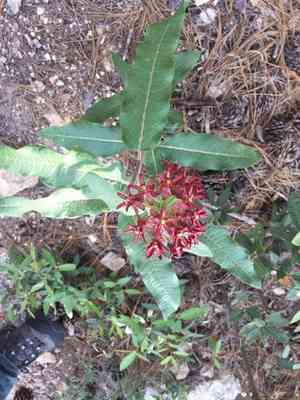
Mahogany milkweed, a type of milkweed, flourishes in soil that drains effectively and in temperate environments. For reproduction, choose to plant seeds directly into the ground. Verify that the seeds are new and embed them superficially with sufficient hydration. Utilizing a seed-starting substrate can boost the success rate of sprouting. Preserve steady moisture levels, yet prevent saturation. Applying mild heat can assist in the sprouting procedure.
Optimal Time for Propagating Mahogany Milkweed
Propagation Method
Seeding
Propagation Period
Spring
Tools for Mahogany Milkweed Propagation
Seed Trays
Seed trays offer a regulated setting for planting mahogany milkweed seeds. They maintain consistent moisture and simplify handling and transplanting seedlings. Their depth and size support optimal root development as the plant establishes.
Sterile Potting Mix
A sterile potting mix is vital for preventing disease when sowing mahogany milkweed seeds. This medium supplies essential nutrients and aeration for germination and early growth, ensuring robust seedling development.
Greenhouse or Cold Frame
Utilizing a greenhouse or cold frame establishes a stable environment for mahogany milkweed seed germination. These structures shield young plants from extreme temperatures and pests, providing consistent humidity and warmth crucial for successful propagation.
Seed Dibber
A seed dibber assists in creating uniform holes at suitable depths for seed planting. This ensures mahogany milkweed seeds are positioned correctly in the soil, fostering ideal germination conditions.
Watering Can with Fine Rose
A watering can with a fine rose allows for gentle irrigation of mahogany milkweed seeds and seedlings without disturbing the soil. Consistent, gentle watering is key to keeping the soil moist but not saturated, aiding successful germination and growth.
Heating Mat
A heating mat can provide warmth from below to accelerate mahogany milkweed seed germination. Maintaining a steady temperature promotes quicker and more uniform sprouting, especially beneficial for this species during cooler periods.
Humidity Dome
A humidity dome helps maintain high moisture levels around newly sown mahogany milkweed seeds, which is critical during initial germination. It prevents rapid soil drying and creates a microenvironment conducive to seedling growth.
Labeling Sticks
Labeling sticks are important for tracking different stages and batches of mahogany milkweed seedlings. Proper labeling aids in monitoring progress and ensuring accurate plant identification throughout the propagation process.
How to Propagate Mahogany Milkweed?
Propagation Type
Simple
Caring for Your Newly Propagated Mahogany Milkweed
Caring for Your Newly Propagated Mahogany Milkweed
Post-transplant, continue to water young mahogany milkweed plants regularly to keep the soil slightly damp, but ensure good drainage to prevent waterlogging. Position plants in full sunlight. Fertilize sparingly with a balanced, slow-release product to support growth. Monitor for pests like aphids and caterpillars, taking action if needed. Prune damaged or dead foliage to encourage healthy growth. As they mature, reduce watering frequency but ensure the soil doesn't completely dry out.
Common Errors to Avoid When Propagating Mahogany Milkweed
Overwatering
Excessive water can lead to root rot, which is detrimental to the plant's health and its ability to propagate successfully.
Improper Soil Selection
Using soil that retains too much moisture can cause similar issues to overwatering. A well-draining soil is essential for mahogany milkweed.
Insufficient Light
Placing the plant in a shaded area rather than a sunny spot can hinder its growth and propagation potential since mahogany milkweed requires ample sunlight.
Lack of Patience
Not allowing the plant sufficient time to establish roots before expecting new growth can lead to failure. Rushing the process can stress the plant.
Tips For Propagating Mahogany Milkweed
Use Well-Draining Soil
Ensure the soil used allows excess water to escape, preventing waterlogged conditions that can harm mahogany milkweed.
Allow for Adequate Sunlight
Mahogany milkweed thrives in sunny conditions, so placing it in a spot where it receives plenty of light is crucial for successful propagation.
Monitor Watering
Water the plant moderately, ensuring the soil stays moist but not overly saturated. This helps avoid root rot and encourages healthy growth.
Patience and Monitoring
Give mahogany milkweed time to establish its root system before expecting visible new growth. Regularly check for progress but avoid disturbing the plant unnecessarily.



