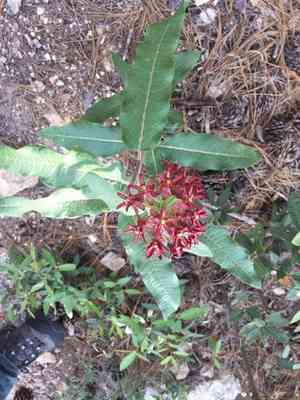
Mahogany milkweed (Asclepias hypoleuca)
Also known as: None available
Mahogany milkweed, a perennial herb, is characterized by its soft, velvety leaves and clusters of star-shaped flowers that range from white to pink. These flowers are highly attractive to various pollinators, making the plant integral to its native ecosystem. It is notably resilient, with a strong root system that ensures its survival in well-drained soils, particularly in open, sunny environments.
In This Article
Attributes of Mahogany milkweed
Lifespan
Perennial
Plant Type
Herb
Plant Height
3 to 6 feet
Spread
Approximately 2 to 3 feet
Leaf Color
Green on top, whitish underneath
Flower Size
0.5 to 1 inch
Flower Color
White to pale pink
Images of Mahogany milkweed
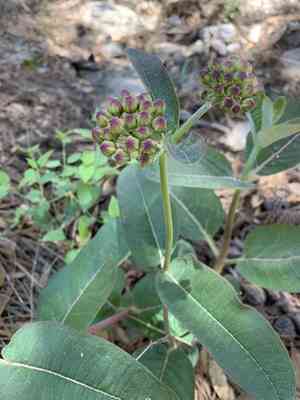
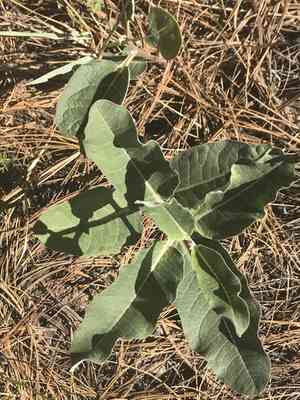
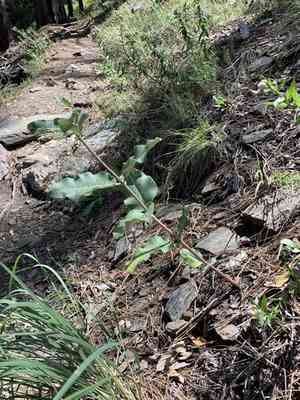
Quickly Identify Mahogany milkweed
1
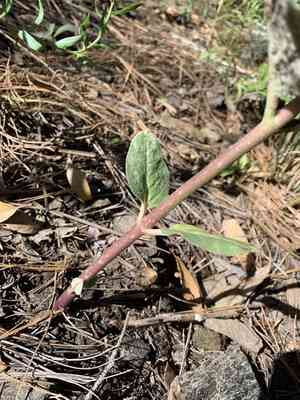
Asclepias hypoleuca can be identified by its smooth, green stems and broad, elliptical leaves. The underside of the leaves is typically whitish or pale.
Scientific Classification of Mahogany milkweed
Phylum
Vascular plants
Class
Dicotyledons
Order
Gentianales
Family
Dogbane
Genus
Milkweeds
Species
Mahogany milkweed
Planting and Growing of Mahogany milkweed
Care Difficulty
Easy
Watering Schedule
Every 2 days
Sunlight Requirements
Full sun
Sunshine Duration
6-10 hours
Ideal Temperature
70-85℉
Soil Type
Potting Mix, Peat Mix
Soil pH
6.5-7.5
Fertilizer Type
Balanced
Pruning Season
Spring, Summer
Pruning Area
Branches, Leaves
Pruning Frequency
2 times a year
Repotting Season
Spring
Pot Type
Plastic, Ceramic
 How to Water Mahogany milkweed?
The watering for Asclepias hypoleuca should be thorough but not excessive. Water until the top inch of soil is moist, ensuring good drainage. It’s essential to let the soil dry out between waterings to mimic its natural dry environment.
What are the symptoms of an underwatered Mahogany milkweed?
›
What should I do if my Mahogany milkweed is not getting enough water?
›
What are the symptoms of an overwatered Mahogany milkweed?
›
How to save an overwatered Mahogany milkweed?
›
 What Are the Sunlight Requirements for Mahogany milkweed?
For Asclepias hypoleuca, partial to full sun exposure ensures optimal growth, fostering healthy development and maximizing its ornamental flower display.
Optimal Sunlight Amount
›
Solution to Meet Lighting Needs
›
Benefits of Ideal Lighting
›
 What Is the Ideal Temperature Range for Mahogany milkweed?
The ideal temperature range for Asclepias hypoleuca is between 70°F and 85°F. This temperature range supports optimal photosynthesis and growth, ensuring the plant has enough warmth without experiencing stress that could slow its growth. Maintaining temperatures within this range allows the plant to thrive, producing healthy foliage and vibrant blooms.
 What Soil is Best for Mahogany milkweed?
Asclepias hypoleuca thrives in well-drained soil conditions, essential for preventing root rot. Adequate drainage ensures that water doesn't pool around the roots, which can lead to fungal diseases. A well-drained substrate allows for optimal nutrient absorption, vital for its robust growth and vibrant flowering. Although Asclepias hypoleuca is relatively low-maintenance, it benefits from nutrient-rich soil. The presence of essential nutrients like nitrogen, phosphorus, and potassium supports its growth and flowering. Incorporating organic matter such as compost can enhance soil fertility and structure, offering the plant what it needs to thrive. Preferring slightly alkaline conditions, Asclepias hypoleuca favors a soil pH ranging from 6.5 to 7.5. This pH range enables efficient nutrient uptake, contributing to healthy morphological features and improved pest resistance. Should the soil become too acidic, adding lime can help adjust its pH to more suitable levels.
 How to Fertilize Mahogany milkweed?
For Asclepias hypoleuca, a balanced water-soluble fertilizer should be used at half strength. This moderation helps in promoting healthy growth without the risk of over-fertilization. It's essential to consider its natural habitat, where nutrients are naturally sparse, adjusting the amount accordingly.
 How to Prune Mahogany milkweed?
Start by removing any dead or damaged leaves and stems. This prevents the spread of disease and allows energy to be redirected to healthy growth. Trim back overly long stems to maintain the desired shape, cutting just above a leaf node to encourage regrowth. While pruning can be done in spring, summer, or autumn, it's best to avoid active blooming periods, as this can stress the plant. Focus on early spring for structural shaping and late summer for tidying up before autumn.
More About Pruning Techniques→
 How to Propagate Mahogany milkweed plant?
1
Collect mature seeds from the Asclepias hypoleuca plant. Plant seeds about 0.5 cm deep in a pot filled with potting soil. Ensure the soil is moist but not waterlogged, and place in a warm, sunny location to facilitate germination.
2
Select a healthy stem and make a cut below a leaf node. Dip the end in rooting hormone and plant it in a small pot with potting mix. Keep the cutting in indirect sunlight and maintain moisture until roots develop.
3
After planting seeds or cuttings, water them lightly to settle the soil around them. Ensure they receive adequate light and monitor soil moisture regularly to prevent drying out.
 How to Repot Mahogany milkweed plant?
1
Look for signs that the plant is outgrowing its pot, such as roots protruding from the drainage holes or the plant becoming top-heavy. These signs indicate that it's time to repot Asclepias hypoleuca. Ideally, repot in early Spring or Summer when the plant is actively growing and can quickly acclimate to the new conditions.
2
Select a pot that is one size larger than the current one, with good drainage holes. Ensure it's made of a breathable material like terracotta, which allows excess moisture to evaporate and keeps the roots healthy. This prevents root rot and encourages a robust root system, essential for this milkweed's health.
3
Opt for a well-draining, sandy soil mix to mimic its native environment. A mix containing sand, perlite, and some organic matter is ideal. This helps prevent waterlogging, protects from root rot, and ensures the plant's roots receive adequate airflow, crucial for optimal growth.
Toxicity
Ingestion
WARNING
The judgment on toxicity and danger is for reference only. We DO NOT GUARANTEE any accuracy of such judgment. Therefore, you SHALL NOT rely on such judgment. It is IMPORTANT TO SEEK PROFESSIONAL ADVICE in advance when necessary.
Learn More About Mahogany milkweed Diseases
Anthracnose
Bacterial Leaf Spot
Bacterial Soft Rot
Bacterial Wilt
Chemical Injury
Crown Gall
Cyst Nematode
Damping-off
Downy Mildew
Drought Stress
Fusarium Wilt
Gray Mold
Leaf Spot
Mosaic
Nutrient Deficiency
Nutrient Toxicity
Powdery Mildew
Root Rot
Root-knot Nematode
Rusts
Sooty Mold
Spider Mites
Temperature Stress
Thrips Damage
White Mold



