How to Transplant Heart-leaf milkweed?
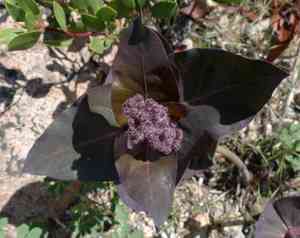
The optimal period for transplanting heart-leaf milkweed is from late spring's warmth through the onset of early summer, which facilitates superior root development. Select a location bathed in sunlight with soil that drains effectively, and provide sufficient hydration after moving the plant to aid its adjustment.
What Preparations are Necessary Before Relocating Heart-leaf Milkweed?
What is the Optimal Period for Moving Heart-leaf Milkweed?
Choose the pleasant days of late spring, extending into the vibrancy of early summer, to move heart-leaf milkweed. These months provide an excellent mix of warm soil and moderate temperatures, encouraging root development while avoiding the intense heat of summer. Shifting heart-leaf milkweed during this time ensures a strong beginning, as the mild weather promotes growth and lessens transplant shock, making it an ideal relocation window.
How Much Distance Should You Maintain Between Heart-leaf Milkweed Plants?
When placing your heart-leaf milkweed, aim for a separation of approximately 12-24 inches (30-61 cm) to allow each plant ample room to thrive and reach its full potential.
What is the Best Soil Blend for Heart-leaf Milkweed Relocation?
For your heart-leaf milkweed, select a soil that drains well and is rich in organic material. Before moving, incorporate a balanced, slow-release fertilizer to give your plants a healthy start.
Where Should You Move Your Heart-leaf Milkweed?
Select a sunny spot for your heart-leaf milkweed as they love sunlight. Ensure the location receives full sun for at least six hours daily. This will help your plants flourish with vigorous growth and blooms.
What Tools Should You Prepare Before Relocating Heart-leaf Milkweed?
Gardening Gloves
To shield your hands while handling soil and plants.
Shovel or Spade
To excavate the plant from its current spot and create a new hole for relocation.
Watering Can or Hose
To hydrate the plant before and after moving to minimize transplant shock.
Garden Trowel
Useful for minor adjustments and for planting if the root ball isn't too large.
Bucket or Tub
To transport the root ball and keep it moist during the relocation process.
Pruning Shears
For trimming any dead or damaged roots prior to moving.
Wheelbarrow
To move soil or compost and to transport the plant if it's substantial.
Rooting Hormone (optional)
To stimulate root growth in the new location, though not always essential.
How Do You Extract Heart-leaf Milkweed from the Ground?
How Do You Extract Heart-leaf Milkweed from the Ground?
From Ground: First, water the heart-leaf milkweed plant to moisten the soil, making extraction easier. Dig a wide circle around the plant with a shovel or spade to avoid harming the root system. Gently pry under the root ball and lift the plant from the ground.From Pot: Water the heart-leaf milkweed plant and let it sit briefly. Turn the pot on its side and gently tap or squeeze to loosen the root ball. Pull the plant out by the base of the stem or leaves, not the stem itself.From Seedling Tray: Dampen the soil in the tray to facilitate seedling removal. Use a garden trowel or a small tool to carefully lift the seedling without disturbing its root system.
Step-by-Step Guide for Relocating Heart-leaf Milkweed
Hole Preparation
Dig a hole twice as wide as the root ball and equally deep to ensure the roots have ample room to spread.
Root Care
Inspect the root ball. Trim any dead or broken roots with pruning shears. If root-bound, gently separate the roots. Optionally, apply rooting hormone to the root ball.
Plant Placement
Carefully position the heart-leaf milkweed in the prepared hole at the same depth it was originally growing. Backfill the hole with native soil, pressing it down gently around the roots to remove air pockets.
Initial Watering
Water the heart-leaf milkweed thoroughly after planting to settle the soil around the roots and provide necessary hydration. Use a slow, gentle stream to allow water to penetrate deep into the root zone.
Support
If the heart-leaf milkweed is tall or top-heavy, consider staking for support. Place stakes around the plant and tie loosely with soft ties or twine, allowing some flexibility for natural movement.
Mulching
Apply a layer of organic mulch around the base of the heart-leaf milkweed, keeping it clear of the stem. Mulch helps retain moisture, regulate soil temperature, and reduce weed competition.
How Do You Care For Heart-leaf Milkweed After Relocation?
Watering
Maintain soil moisture by watering deeply and consistently without causing waterlogging, especially during the initial growth season.
Monitoring
Observe the heart-leaf milkweed for signs of distress such as wilting or discolored leaves, which may indicate an issue with the relocation process.
Adjustments
Be ready to modify soil conditions or provide shade if the heart-leaf milkweed shows signs of difficulty adapting to its new environment.
Protection
Shield the heart-leaf milkweed from strong winds or harsh weather for a few weeks after relocation until it is more established.
Trimming
Prune away any dead or damaged foliage to direct the heart-leaf milkweed's energy towards establishing new roots and growth.
Troubleshooting Common Issues with Heart-leaf Milkweed Relocation.
Why is my heart-leaf milkweed not flourishing after being moved?
Ensure it's been planted in well-draining soil with ample sunlight. Excessive shade or waterlogged roots often impede growth.
How deep should the hole be when moving heart-leaf milkweed?
Dig a hole just deep enough so the root ball sits flush with the soil surface, allowing roots space to expand.
What's the ideal spacing for heart-leaf milkweed when relocating?
Space heart-leaf milkweed approximately 12-24 inches (30-60 cm) apart. This provides room for growth and air circulation.
When is the optimal time to move heart-leaf milkweed?
The best time to move heart-leaf milkweed is from the blooming of daisies until the summer solstice, promoting root establishment.
Can heart-leaf milkweed be moved in the fall?
It's less ideal as the cold can shock the plant's roots. Aim for a warmer relocation window for better outcomes.
How do I water heart-leaf milkweed after moving?
Water generously immediately after moving, then maintain moist soil until the heart-leaf milkweed is well established.
How soon can I fertilize heart-leaf milkweed after moving?
Wait a few weeks until heart-leaf milkweed has acclimated, then use a low-nitrogen, high-phosphorus fertilizer to encourage root growth.
What should I do if leaves of heart-leaf milkweed start wilting?
Wilting could indicate stress. Ensure it's not over/under-watered, protect from extreme temperatures, and give it time to adapt.
How can I protect relocated heart-leaf milkweed from pests?
Using mulch and watching for pests can protect heart-leaf milkweed. Promptly remove any pests by hand or organic pesticide.
Why are the leaves of my relocated heart-leaf milkweed turning yellow?
Yellow leaves could signify water stress, either too much or too little. Adjust watering and ensure good drainage.



