How to Prune Heart-leaf milkweed?
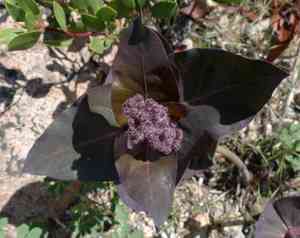
A perennial cherished for its elaborate blossoms and cordate foliage, heart-leaf milkweed flourishes with infrequent trimming, promoting vigorous development and stimulating its distinctive flowers. The most effective time for pruning is in late spring or early summer, focusing on lifeless or injured stalks to preserve the plant's vitality and well-being. Deliberate cuts improve air movement and ward off ailments. Trimming after flowering can discourage widespread seed dispersal if preferred. Employ sharp, sanitized implements for accurate cuts, facilitating swift recovery and reducing strain on heart-leaf milkweed.
What Are the Benefits of Pruning Heart-leaf Milkweed?
What Are the Benefits of Pruning Heart-leaf Milkweed?
Trimming heart-leaf milkweed promotes vigorous development and helps maintain its desired form. Precise cuts help channel energy to stronger branches, fostering a robust structure and vibrant displays.
What Is the Best Time for Pruning Heart-leaf Milkweed?
What Is the Best Time for Pruning Heart-leaf Milkweed?
The optimal period for pruning heart-leaf milkweed is from late winter to early spring, as the plant is typically dormant. Pruning at this time helps prevent significant sap loss common in other seasons, reduces the risk of disease transmission, and minimizes stress on heart-leaf milkweed, allowing for strong recovery and regrowth when the active season begins. Furthermore, removing dead or damaged parts before new growth starts directs heart-leaf milkweed's energy into producing healthy shoots and leaves. The specified seasons of spring and summer for pruning heart-leaf milkweed generally align with this timing, with late spring to early summer being suitable for minor shaping and deadheading after the main bloom period to encourage further flowering and maintain plant vigor.
What Tools Do I Need to Prune Heart-leaf Milkweed?
Bypass Pruners
Heart-leaf milkweed typically has slender stems that are easily cut with sharp bypass pruners. These tools operate like scissors, providing a clean cut that aids in the plant's rapid healing.
Gardening Gloves
Given that heart-leaf milkweed produces a milky sap that can irritate skin, wearing gardening gloves is crucial. This offers protection when handling the plant during pruning.
Pruning Saw
For older, woodier stems that bypass pruners cannot manage, a small pruning saw is appropriate. It enables precise cuts on thicker growth without causing undue harm to the plant.
Long-Handled Loppers
If heart-leaf milkweed is mature and has developed thicker stems, long-handled loppers can be used to reach stems that are difficult to access with pruners, providing leverage for clean cuts.
How to Prune Heart-leaf Milkweed
Clean tools
Sanitize pruning shears with alcohol or a bleach solution to prevent disease spread when trimming heart-leaf milkweed.
Remove diseased leaves
Identify and carefully remove any diseased leaves from heart-leaf milkweed by cutting them at the base of the leaf stem without harming the main stem.
Remove withered leaves
Trim off withered or old leaves to encourage new growth, cutting close to the stem to avoid leaving unnecessary stubs on heart-leaf milkweed.
Remove diseased stems
Cut back any diseased stems on heart-leaf milkweed to healthy tissue, ensuring a clean cut to facilitate quick healing.
Dispose trimmed parts
Properly dispose of all trimmed parts away from heart-leaf milkweed to prevent any spread of disease and maintain garden hygiene.
Common Pruning Mistakes with Heart-leaf Milkweed
Overpruning
Cutting back heart-leaf milkweed too aggressively can harm the plant's health and inhibit its blooming potential. It's essential to avoid removing more than one-third of the plant at a time.
Improper cutting technique
Using dull or dirty pruning tools can damage heart-leaf milkweed's stems, leading to frayed cuts that may invite pests and diseases. Always use sharp, clean pruning shears.
Pruning flowering stems
Accidentally cutting off flowering stems can significantly reduce the number of blooms. It's important to differentiate between old and new growth to preserve flowering potential.
Neglecting plant shape
Failing to consider the natural shape of heart-leaf milkweed when pruning might lead to an unnatural appearance or uneven growth.
Ignoring dead or diseased stems
Overlooking the removal of dead, diseased, or damaged stems can inhibit healthy growth and cause the plant to use resources unnecessarily.
Common Pruning Tips for Heart-leaf Milkweed
Selective pruning
Carefully select which stems to prune, focusing on removing only dead, diseased, or overgrown stems to maintain plant health and aesthetics.
Clean cuts
Make clean, angled cuts just above leaf nodes or branching points to encourage healthy regrowth and minimize the risk of disease.
Gradual rejuvenation
For older heart-leaf milkweed plants, rejuvenate gradually over several seasons by selectively pruning older stems while preserving newer growth for continued flowering.
Encouraging bushiness
Pinch or cut the tips of young heart-leaf milkweed shoots to promote branching and a fuller, bushy growth habit.
Post-blooming care
After the blooming period, strategically prune spent flower stems to tidy up the plant and potentially encourage a new flush of blooms.



