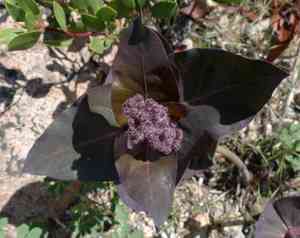
Heart-leaf milkweed (Asclepias cordifolia)
Also known as: Heart-leaf Milkweed
Heart-leaf milkweed (*Asclepias cordifolia*) is a perennial species found in the higher elevations of the western United States. Recognizable by its heart-shaped leaves, this plant was historically used in traditional remedies. However, it is toxic and can lead to severe symptoms, including vomiting and potentially death, if ingested.
In This Article
Attributes of Heart-leaf milkweed
Lifespan
Perennial
Plant Type
Herb
Plant Height
30 cm to 60 cm
Spread
30 cm
Leaf Color
Green
Flower Size
About 0.5 inches (1.3 cm)
Flower Color
Purple Red Pink
Images of Heart-leaf milkweed
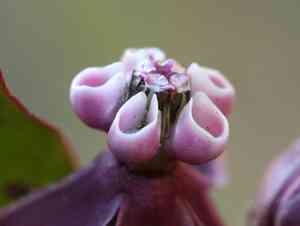
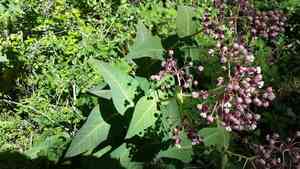
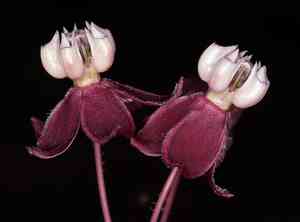
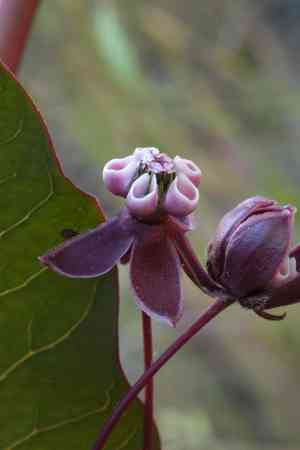
Quickly Identify Heart-leaf milkweed
1
Identify Asclepias cordifolia by its heart-shaped leaves, which are a distinctive feature. The plant also produces vibrant clusters of purplish or pinkish flowers typically in late spring to summer.
Scientific Classification of Heart-leaf milkweed
Phylum
Vascular plants
Class
Dicotyledons
Order
Gentianales
Family
Dogbane
Genus
Milkweeds
Species
Heart-leaf milkweed
Planting and Growing of Heart-leaf milkweed
Care Difficulty
Hard
Watering Schedule
Every day
Sunlight Requirements
Full sun
Sunshine Duration
4-8 hours
Ideal Temperature
60-75℉
Soil Type
Potting Mix, Peat Mix
Soil pH
6.5-7.5
Fertilizer Type
Balanced
Pruning Season
Spring, Summer
Pruning Area
Branches, Leaves
Pruning Frequency
2 times a year
Repotting Season
Spring
Pot Type
Plastic, Ceramic
 How to Water Heart-leaf milkweed?
In watering Asclepias cordifolia, it's crucial to maintain moderate moisture. Aim for 250ml per application. The goal is to keep the soil consistently moist but never waterlogged, resembling the plant's natural habitat on well-draining slopes.
What are the symptoms of an underwatered Heart-leaf milkweed?
›
What should I do if my Heart-leaf milkweed is not getting enough water?
›
What are the symptoms of an overwatered Heart-leaf milkweed?
›
How to save an overwatered Heart-leaf milkweed?
›
 What Are the Sunlight Requirements for Heart-leaf milkweed?
Partial to full sun is ideal, as it ensures healthy photosynthesis and promotes vibrant and healthy growth. Consistent light availability boosts flowering success.
More About Sunlight Requirements Techniques→
What is the ideal lighting condition for Asclepias cordifolia?
›
How can you achieve the ideal light conditions for this plant?
›
What are the benefits of providing ideal light conditions?
›
 What Is the Ideal Temperature Range for Heart-leaf milkweed?
The ideal temperature range for growing Asclepias cordifolia is between 60°F and 75°F. This range optimizes photosynthesis and other metabolic processes, ensuring that the plant can produce energy efficiently. Within this range, the plant will also maintain proper hydration levels and nutrient uptake, promoting healthy growth and vibrant foliage.
 What Soil is Best for Heart-leaf milkweed?
Asclepias cordifolia thrives in well-drained soil that prevents waterlogging, ensuring its roots have access to necessary oxygen and nutrients. This drainage is crucial for healthy growth and avoiding root rot, thus promoting lush foliage and vibrant blooms. This plant benefits from nutrient-rich loam, which provides a balanced supply of essential minerals. Loam retains its structure and moisture, creating a favorable environment for strong root development and maximizing the plant's flowering potential. While Asclepias cordifolia prefers predominantly dry conditions, moderate moisture retention in the soil helps sustain it during dry spells. This balance ensures that the plant remains resilient and well-nourished without risking overwatering.
 How to Fertilize Heart-leaf milkweed?
For Asclepias cordifolia, the recommended amount of fertilizer should be modest due to its tolerance to less fertile conditions. Use a balanced liquid fertilizer diluted to half its strength. Ensure that the soil is slightly damp before application to prevent root burn.
 How to Prune Heart-leaf milkweed?
Start by identifying any dead or damaged stems and remove them completely. Trim back any long, stray stems to encourage the plant to become fuller and more compact. Focus on maintaining an even shape to support uniform growth. For each stem, cut above a leaf node at a 45-degree angle to promote healthy new growth. While pruning, avoid cutting into the woody parts of the stem, as this can prevent regrowth. Instead, focus on removing the softer, herbaceous parts. If you're shaping an older plant, take care not to remove more than one-third of the plant at any given time to avoid stressing it.
More About Pruning Techniques→
 How to Propagate Heart-leaf milkweed plant?
1
Before sowing, soak the seeds of Asclepias cordifolia in warm water for 24 hours. This process helps to soften the seed coat, encouraging faster and more uniform germination. After soaking, allow the seeds to dry before sowing.
2
Fill your seed tray with a well-draining potting mix. Place the prepared seeds on the surface and cover them lightly with more potting mix. Water gently to settle the soil, and maintain a consistent moisture level by misting regularly.
3
Identify healthy, vigorous roots from an established plant during early spring. Using a sterilized sharp knife, cut a 2 to 4-inch section of the root. Plant it in a well-draining medium, and keep it slightly moist to encourage new growth.
 How to Repot Heart-leaf milkweed plant?
1
Typically, Asclepias cordifolia gives signs it's time for a new pot if roots are visible from the bottom, the plant seems stunted, or water isn't draining well. These signs often occur after a growing season, making Spring and Summer ideal.
2
Select a pot slightly larger than the current one, with adequate drainage holes. This helps prevent root rot and ensures your plant has room to grow but doesn't become waterlogged, maintaining a healthy environment for root development.
3
Choose a well-draining, sandy soil mix. This mimics the plant's natural habitat, prevents root rot, and allows excess water to escape, which is crucial for the longevity and health of Asclepias cordifolia.
Toxicity
Ingestion, Skin Contact
WARNING
The judgment on toxicity and danger is for reference only. We DO NOT GUARANTEE any accuracy of such judgment. Therefore, you SHALL NOT rely on such judgment. It is IMPORTANT TO SEEK PROFESSIONAL ADVICE in advance when necessary.
Learn More About Heart-leaf milkweed Diseases
Anthracnose
Bacterial Leaf Spot
Bacterial Soft Rot
Bacterial Wilt
Chemical Injury
Crown Gall
Cyst Nematode
Damping-off
Downy Mildew
Drought Stress
Fusarium Wilt
Gray Mold
Leaf Curl
Leaf Spot
Mosaic
Nutrient Deficiency
Nutrient Toxicity
Powdery Mildew
Root Rot
Root-knot Nematode
Rusts
Sooty Mold
Spider Mites
Temperature Stress
Thrips Damage
White Mold



