How to Transplant Timberline sagebrush?
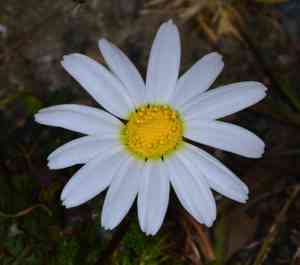
Timberline sagebrush ought to be relocated between early and late spring, a period when environmental factors are moderate and development is vigorous. Select a bright, adequately drained location for its new placement to guarantee successful rooting and strong proliferation. Steer clear of overly saturated ground to avert root decay.
What Preparations are Needed Before Transplanting Timberline Sagebrush?
What is the Ideal Time for Transplanting Timberline Sagebrush?
Timberline sagebrush, a perennial, flourishes when moved from early to late spring. This period provides optimal ground temperatures and moisture levels, aiding root establishment. Spring precipitation further supports hydration needs, ensuring vigorous growth. Consequently, relocating timberline sagebrush at this time maximizes its chances of successful adaptation and thriving in its new spot.
How Much Space Should You Leave Between Timberline Sagebrush Plants?
When relocating timberline sagebrush, ensure each plant is spaced 18-24 inches (45-60 cm) apart. This spacing allows for adequate air circulation and room for each plant to develop and prosper.
What is the Best Soil Mix for Timberline Sagebrush Transplanting?
Prepare well-draining, sandy or rocky soil for timberline sagebrush. Incorporate some organic compost or a balanced slow-release fertilizer to supply essential nutrients. Ensure the soil isn't overly rich, as timberline sagebrush thrives in less fertile soils.
Where Should You Relocate Your Timberline Sagebrush?
Timberline sagebrush prefers sunny locations. Choose a spot that receives full sun for at least 6-8 hours daily. This helps the plant grow robust and healthy.
What Equipments Should You Prepare Before Transplantation Timberline Sagebrush?
Gardening Gloves
To safeguard your hands while handling soil and plants.
Shovel or Spade
For excavating and lifting the plant from its original position.
Trowel
To assist in digging a planting hole in the new location.
Watering Can or Hose
For hydrating the plant before and after relocation.
Pruning Shears
To trim any damaged or elongated roots during the transplanting process.
Burlap or Cloth
To wrap the root ball if the plant is being transported a significant distance.
Bucket or Container
To hold water or temporary potting medium if necessary.
How Do You Remove Timberline Sagebrush from the Soil?
How Do You Remove Timberline Sagebrush from the Soil?
From Ground: First, water the timberline sagebrush plant to moisten the soil. Then, dig a wide trench around the plant using a shovel or spade, ensuring the plant's root ball remains intact. Carefully work the spade beneath the root ball to lift the plant from its original spot.From Pot: Gently tap the sides of the pot to loosen the soil. Tilt the pot and carefully slide the timberline sagebrush plant out, supporting the base of the plant and the root ball. If the plant is stubbornly stuck, you can gently tap the bottom of the pot or use a trowel to ease it out.From Seedling Tray: Water the seedlings in the tray before removing them. Use a trowel or spoon to lift each seedling, ensuring you scoop out enough soil to keep the root ball intact. Handle the seedlings by their leaves, not stems, to avoid damage.
Step-by-Step Guide for Transplanting Timberline Sagebrush
Preparation
Water the timberline sagebrush plant and the new planting site before beginning. Moist soil lessens transplant shock and aids initial establishment.
Digging the Hole
Excavate a hole in the new location that is twice the width of the root ball and equally deep. This provides the roots ample space to spread.
Placing the Plant
Position the timberline sagebrush plant in the hole, ensuring it sits at the same depth it was growing at previously. The top of the root ball should be level with the surrounding ground.
Backfilling the Hole
Fill the hole with soil, gently pressing it down to eliminate air pockets. Be careful not to compact the soil too much, as roots require space to breathe.
Watering
Thoroughly water the newly transplanted timberline sagebrush plant after planting. This helps to settle the soil around the roots and reduces transplant shock.
Mulching
Apply a layer of mulch around the base of the plant to conserve moisture and suppress weeds. Keep the mulch a few inches away from the stem to prevent rot.
How Do You Care For Timberline Sagebrush After Transplanting?
Watering
Keep the soil around the timberline sagebrush consistently moist, but not waterlogged, for the first few weeks after transplanting to help establish strong roots.
Monitoring
Observe for signs of transplant shock, such as wilting or yellowing leaves, and take corrective actions like adjusting water levels or providing temporary shade.
Pruning
Remove any damaged or dead leaves to help the plant direct energy towards new growth.
Mulching
Maintain the mulch layer to help keep the soil moist and prevent weeds.
Troubleshooting Common Issues with Timberline Sagebrush Transplantation.
When is the best time to transplant timberline sagebrush?
The optimal period to relocate timberline sagebrush is from early spring to late spring.
How far apart should I space timberline sagebrush plants?
Space timberline sagebrush plants 18 to 24 inches (45 to 60 cm) apart for ideal growth.
How should I prepare the soil for timberline sagebrush transplantation?
Ensure the soil is well-draining and slightly sandy to mimic its natural environment.
What size hole should I dig for transplanting timberline sagebrush?
Excavate a hole twice the width and the same depth as the root ball.
How can I minimize transplant shock for timberline sagebrush?
Water the plant thoroughly before and after relocating to reduce shock.
Do I need to prune timberline sagebrush before transplanting?
Lightly trim any damaged or excessively long roots, but avoid heavy pruning.
What type of fertilizer should I use for timberline sagebrush?
Utilize a balanced, slow-release fertilizer to support growth without overwhelming the plant.
How often should I water timberline sagebrush after transplanting?
Water regularly but allow the top inch (2.5 cm) of soil to dry out between waterings.
Is mulching necessary for transplanted timberline sagebrush?
Apply a thin layer of mulch to retain moisture and suppress weeds without touching the stems.
What should I do if timberline sagebrush leaves turn yellow after transplanting?
Yellow leaves could indicate stress; ensure proper watering and avoid over-fertilizing.



