How to Prune Timberline sagebrush?
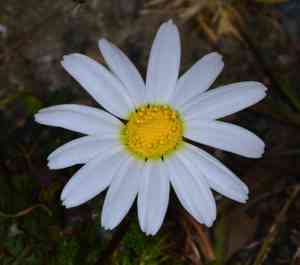
Artemisia Timberline flourishes in high-altitude settings and displays silvery-grey leaves. To achieve peak development, perform pruning in the early spring or late winter, precisely before fresh shoots emerge. Eliminate any deceased or compromised branches to improve air movement and deter ailments. Undertake light trimming to sculpt the plant and preserve its inherent structure. Consistent pruning encourages robust development and stops the plant from becoming sparse. Verify that all implements are sanitized to prevent the introduction of harmful microorganisms.
What Are the Benefits of Pruning Timberline Sagebrush?
What Are the Benefits of Pruning Timberline Sagebrush?
Trimming timberline sagebrush promotes vigorous growth by eliminating old or damaged stems, encourages a tidy form by managing its size, and fosters healthy new development. Regular trimming also boosts resistance to pests and diseases.
What Is the Best Time for Pruning Timberline Sagebrush?
What Is the Best Time for Pruning Timberline Sagebrush?
Pruning or trimming timberline sagebrush during late winter and early spring is optimal for several reasons. Firstly, these periods precede the active growth phase, allowing timberline sagebrush to heal quickly and produce new growth. Pruning at this time aids in shaping the plant without impeding its flowering, as timberline sagebrush typically blooms later in the growing season. Additionally, this timeframe is less prone to severe weather conditions that could stress recently pruned plants, ensuring healthier and more robust development. Pruning timberline sagebrush in early spring or late winter thus aligns with its growth cycle, safeguarding its structural and floral health.
What Tools Do I Need to Prune Timberline Sagebrush?
Bypass Pruners
Perfect for precise cuts on stems and smaller branches of timberline sagebrush, ensuring clean cuts without crushing the stem.
Pruning Shears
Useful for shaping and managing the denser foliage of timberline sagebrush, providing a more detailed trim.
Loppers
Essential for cutting through thicker branches of timberline sagebrush that may be too large for bypass pruners, offering leverage for easier cutting.
Pruning Saw
Recommended for removing larger branches efficiently without damaging the plant's structure, particularly for timberline sagebrush's woody stems.
How to Prune Timberline Sagebrush
Inspection
Carefully examine timberline sagebrush to identify the presence of diseased or withered leaves.
Clean tools
Ensure pruning shears are sterilized with a solution of 1 part bleach to 9 parts water to prevent the spread of disease.
Remove diseased leaves
Cut off any diseased leaves close to the base of the stem, making smooth cuts to avoid damaging the plant.
Remove withered leaves
Trim withered leaves by cutting at the base of the leaf stem, ensuring not to damage any healthy surrounding tissue.
Dispose safely
Dispose of all cut leaves and debris in a sealed bag to prevent the spread of disease to other plants.
Common Pruning Mistakes with Timberline Sagebrush
Incorrect Technique
One common error is using dull or dirty pruning tools, which can harm the plant and introduce diseases. Ensure tools are sharp and clean before use.
Over-pruning
Removing too much foliage at once can stress timberline sagebrush and hinder its growth. Itâs crucial to prune selectively, focusing on thinning out rather than heavy cutting.
Pruning at the Wrong Nodes
Cutting too close to the node or leaving too much of a stub can lead to dieback. Always cut just above a node without damaging it.
Common Pruning Tips for Timberline Sagebrush
Use Clean, Sharp Tools
Always use sharp and clean pruning shears to make clean cuts. This helps prevent disease and promotes quicker healing.
Focus on Dead or Diseased Wood
Prioritize removing any dead or diseased branches to maintain the health of timberline sagebrush. This helps in directing energy to the healthy parts of the plant.
Mind the Size of Cuts
When making cuts, avoid creating large wounds that the plant will struggle to heal. Smaller cuts heal faster and reduce the risk of infection.
Angle Your Cuts
Make your cuts at a slight angle to prevent water from settling on the cut surface, which reduces the risk of rot and disease.



