Timberline sagebrush (Artemisia rothrockii)
Also known as: Rothrock sagebrush
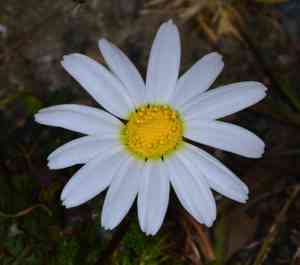
Edelweiss (Leontopodium alpinum) is a resilient perennial herb distinguished by its striking silver-green leaves and small yellow flowers, surrounded by star-shaped white bracts. This alpine plant flourishes in high-altitude environments, enduring poor soil conditions and severe weather. Edelweiss is notable for its woolly texture and ability to withstand the harsh elements typical of its mountainous habitat.
In This Article
Attributes of Timberline sagebrush
Lifespan
Perennial
Plant Type
Herb
Plant Height
50-100 cm
Spread
50-80 cm
Leaf Color
Silvery-grey
Flower Size
0.5 cm
Flower Color
Yellow
Images of Timberline sagebrush
Quickly Identify Timberline sagebrush
1
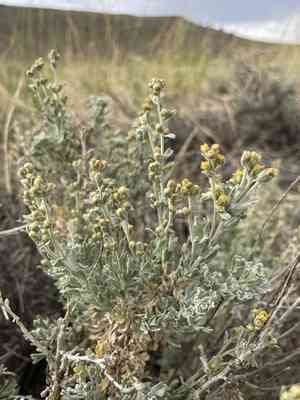
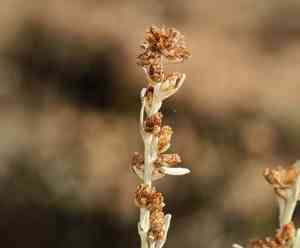
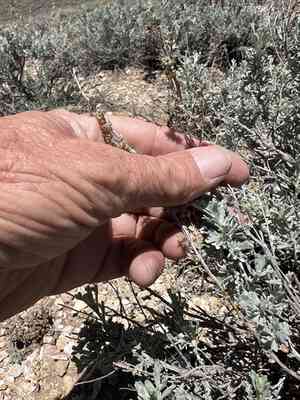
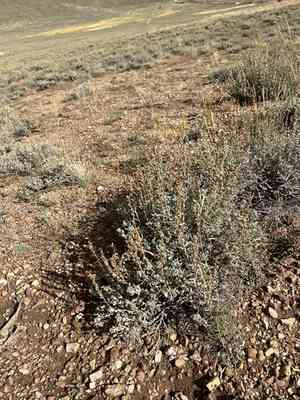
Artemisia rothrockii can be identified by its silvery-grey foliage, aromatic leaves, and small yellow flowers that bloom in late summer. The leaves are covered with fine hairs that give the plant its distinctive color and texture.
Scientific Classification of Timberline sagebrush
Phylum
Vascular plants
Class
Dicotyledons
Order
Asterales
Family
Daisy
Genus
Mugworts
Species
Timberline sagebrush
Planting and Growing of Timberline sagebrush
Care Difficulty
Moderate
Watering Schedule
Every day
Sunlight Requirements
Full sun
Sunshine Duration
6-12 hours
Ideal Temperature
50-68℉
Soil Type
Potting Mix, Peat Mix
Soil pH
6.5-7.5
Fertilizer Type
Balanced
Pruning Season
Spring, Summer
Pruning Area
Branches, Leaves
Pruning Frequency
2 times a year
Repotting Season
Spring
Pot Type
Plastic, Ceramic
 How to Water Timberline sagebrush?
For Artemisia rothrockii, water until the soil is moistened but not waterlogged, roughly 500 ml per plant. The principle here is to mimic its natural habitat - moderate rainfall and excellent drainage conditions.
What are the symptoms of an underwatered Timberline sagebrush?
›
What should I do if my Timberline sagebrush is not getting enough water?
›
What are the symptoms of an overwatered Timberline sagebrush?
›
How to save an overwatered Timberline sagebrush?
›
 What Are the Sunlight Requirements for Timberline sagebrush?
Artemisia rothrockii prospers under full to partial sun, ideally with 6 to 8 hours of direct sunlight daily. Such conditions will enhance its growth vigor, displaying vibrant foliage and prolific flowering which are hallmarks of its health.
What is the best lighting condition for Artemisia rothrockii?
›
How can I ensure Artemisia rothrockii receives ideal lighting?
›
What are the benefits of ideal lighting for Artemisia rothrockii?
›
 What Is the Ideal Temperature Range for Timberline sagebrush?
The ideal temperature range for Artemisia rothrockii typically falls between 50°F and 68°F. Within this range, the plant is able to photosynthesize efficiently and maintain optimal growth. These temperatures mimic the plant's natural alpine environment and support healthy metabolic processes.
 What Soil is Best for Timberline sagebrush?
Artemisia rothrockii thrives in well-draining soils which prevent waterlogging and root rot, thus promoting healthier root systems and robust plant growth. The plant benefits from soils enriched with organic matter, which leads to vigorous growth and lush foliage by providing essential nutrients during the growing season. While drought-tolerant, Artemisia rothrockii requires occasional watering in well-drained soils to sustain health, making it a resilient choice for less attentive gardeners.
 How to Fertilize Timberline sagebrush?
For Artemisia rothrockii, apply a balanced liquid fertilizer at half the recommended strength. Use around 120 ml of diluted solution per plant, ensuring an even application to cover the root zone. Over-fertilizing can harm the plant, so caution is advised.
 How to Prune Timberline sagebrush?
Begin pruning in early spring as new growth appears. You can also conduct lighter pruning in summer to assist with shape maintenance and encourage further blooming. Start by removing any dead, damaged, or diseased stems to encourage healthy new growth and prevent the spread of any infections. Trim back leggy or overgrown branches to keep the plant compact and encourage bushier growth, ensuring more blooms in the flowering season.
More About Pruning Techniques→
 How to Propagate Timberline sagebrush plant?
1
Begin by collecting mature seeds from a healthy Artemisia rothrockii plant. Soak them in water overnight to increase germination success, then sow them in a well-draining seed-starting mix.
2
Select a healthy stem from the Artemisia rothrockii, and use pruning shears to cut a 4 to 6-inch section. Remove the lower leaves and dip the cut end in rooting hormone to encourage root growth.
3
Carefully dig up an established Artemisia rothrockii clump and divide it into smaller sections, making sure each section has roots attached. Replant these divisions in suitable locations.
 How to Repot Timberline sagebrush plant?
1
Artemisia rothrockii indicates the need for repotting when you observe its roots growing out of the drainage hole or a noticeable slowdown in its growth. These are signs that the plant has outgrown its current pot, signaling it's time for a larger home. Ensure you're moving the plant during its growing seasons, primarily summer to autumn, for optimal adaptation.
2
Select a pot that is only one or two sizes larger than the current one. A ceramic or terracotta pot is preferable, as it allows better air movement around the roots, preventing root rot. Ensure the pot has ample drainage holes to facilitate excess water escape, maintaining appropriate soil moisture levels.
3
For Artemisia rothrockii, well-draining soil is crucial. Opt for a sandy loam soil, which ensures good drainage while maintaining sufficient nutrient retention. This type of soil mimics natural growing conditions, enhancing the plant's stability and development after repotting, reducing stress and promoting healthier growth.



